Cat Fever: 7 Signs, Causes & When to See a Vet
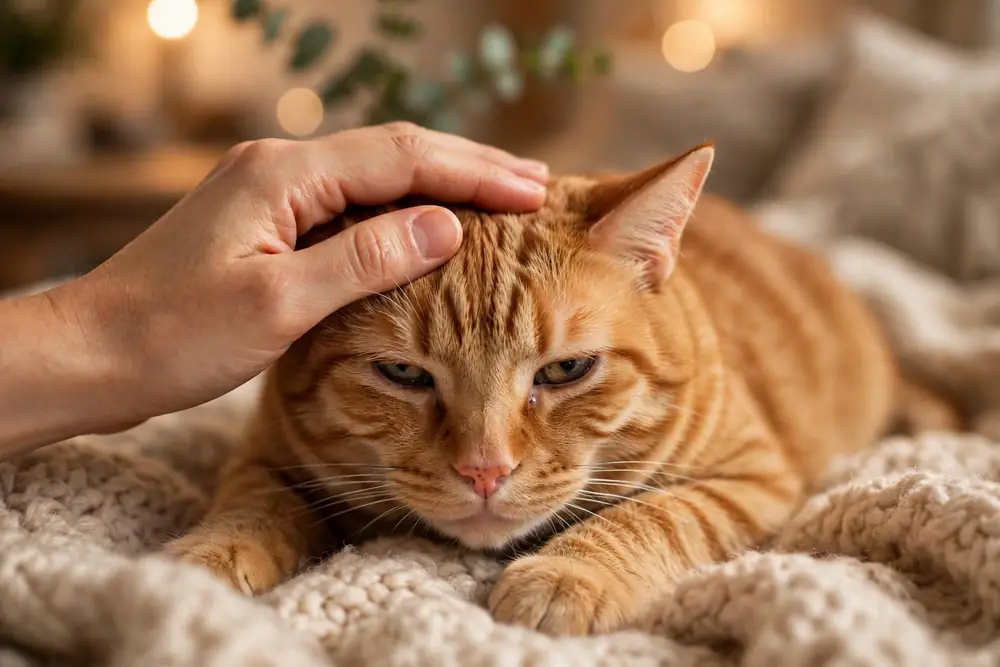
Nothing worries a cat parent more than a cat who suddenly goes quiet. One day your cat is zooming around the house at 3 a.m., and the next they are curled in a corner, warm to the touch, with no interest in dinner. Unlike dogs, cats are masters at hiding illness — in the wild, showing weakness made them a target, so that instinct is still wired into every house cat today.
Fever is one of the most common reasons cats slow down, and it is also one of the most misunderstood. A warm forehead does not automatically mean a fever, and a true fever does not automatically mean an emergency. This guide walks you through the 7 most reliable signs of fever in cats, what usually causes it, what you can safely do at home, and — most importantly — when to stop waiting and call your veterinarian.
What Counts as a Fever in Cats?
A cat's normal body temperature ranges from 100.5°F to 102.5°F (38.0°C to 39.2°C). A temperature above 102.5°F is considered elevated, and anything above 103.5°F (39.7°C) is generally treated as a true fever. Temperatures above 104°F (40°C) are serious and need prompt veterinary attention.
The most accurate way to check is with a digital rectal thermometer made for pets (lightly lubricated, inserted gently). Ear thermometers designed for pets exist too, but they tend to be less reliable. If taking a temperature at home stresses your cat out badly, skip it — the behavioral signs below are often enough to tell you something is wrong.
7 Signs Your Cat May Have a Fever
- Warm ears and a dry nose. This is the classic clue most owners notice first. A healthy cat's nose is usually cool and slightly damp, and their ears feel neutral. Hot ears and a dry, warm nose can suggest a raised temperature — but on its own it is not proof. Cats coming in from a sunny window seat can feel warm without being sick. Look for this sign together with the others below.
- Lethargy and hiding. A feverish cat conserves energy. If your normally social cat suddenly sleeps far more than usual, skips playtime, or retreats under the bed or into a closet, pay attention. Hiding is one of the strongest behavioral signals that a cat feels unwell, and it often appears before any other symptom.
- Loss of appetite. Cats with a fever frequently turn away from food — even favorite treats. Missing one meal is not usually a crisis, but a cat that refuses food for more than 24 hours (or a kitten that refuses for more than 12) should be seen by a vet, fever or not. Watch water intake too; fever increases the risk of dehydration.
- Rapid or heavy breathing. A resting cat normally takes about 15 to 30 breaths per minute. If your cat is breathing noticeably faster while resting, or panting with an open mouth (which cats rarely do), it can be the body's attempt to cool itself during a fever. Labored breathing is always a reason to call the vet promptly.
- Shivering or trembling. It sounds backwards, but shivering can accompany fever. When the body's internal thermostat resets to a higher temperature, muscles shiver to generate heat and reach that new set point. If your cat is trembling in a warm room with no obvious scare or chill, fever is a real possibility.
- Dull, glassy eyes. Bright, clear eyes are a hallmark of a healthy cat. A feverish cat often has a glazed, unfocused look, half-closed lids, or a visible third eyelid (the pale membrane in the inner corner of the eye). Eye changes plus lethargy are a combination worth taking seriously.
- Stopped grooming. Cats are famously fastidious. A cat that suddenly has a dull, unkempt, or greasy-looking coat has likely stopped grooming — and cats stop grooming when they feel too sick to bother. This sign is easy to miss in long-haired breeds, so run your hands through their coat regularly when they seem off.
Common Causes of Fever in Cats
Fever itself is not a disease — it is the immune system doing its job. The most common triggers include:
- Infections — upper respiratory infections ("cat colds"), urinary tract infections, and infected bite wounds or abscesses from fights with other cats are frequent culprits.
- Abscesses. Even a small puncture from a scuffle can seal over and form a painful, fever-causing abscess underneath. If your outdoor cat comes home sore in one spot and then develops a fever, this is a prime suspect.
- Fever of unknown origin (FUO). Sometimes, despite tests, no cause is found. Vets use this term when a fever persists without an obvious source — it usually resolves with supportive care and monitoring.
- Recent vaccination. A mild, short-lived temperature rise in the 24–48 hours after vaccines is normal and typically fades on its own.
One important distinction: heatstroke is not the same as fever. Heatstroke happens when a cat overheats from the environment (a hot car, a sun-baked room with no water) and is an immediate emergency — cool the cat gradually and get to a vet at once.
Home Care: Do's and Don'ts
If your cat seems mildly feverish but is still drinking water and responsive, supportive home care can help while you monitor:
Do:
- Offer plenty of fresh, cool water — consider a second bowl in their favorite resting spot.
- Let them rest somewhere quiet, cool, and comfortable. Do not force play or cuddles.
- You may gently dab a cool (not cold) damp cloth on their paw pads and ears.
- Offer small amounts of tempting food like warmed wet food to encourage eating.
- Take their temperature every few hours if you can do so safely, and note any changes.
Don't:
- Never give human fever medicines. Paracetamol/acetaminophen and ibuprofen are toxic to cats — even a small dose can cause fatal liver damage and red blood cell destruction. There is no safe human painkiller for cats.
- Do not use ice baths or ice packs — rapid cooling can cause shock.
- Do not wrap them in blankets to "sweat it out."
- Do not force-feed or syringe large amounts of water if they resist.
When to Rush to the Vet
Call your veterinarian or an emergency clinic right away if you notice any of the following:
- Temperature above 104°F (40°C).
- Fever lasting more than 24–48 hours without improvement.
- The patient is a kitten under 4 months old, a senior cat, or has a chronic illness.
- Fever combined with vomiting, diarrhea, difficulty breathing, or extreme weakness.
- Your cat has stopped drinking water entirely.
- You suspect poisoning, heatstroke, or injury.
When in doubt, call. Veterinarians would far rather reassure you about a mild temperature than treat a crisis that waited too long.
Frequently Asked Questions
What is a normal temperature for a cat?
A healthy cat's body temperature is between 100.5°F and 102.5°F (38.0°C to 39.2°C). Above 102.5°F is elevated, and above 103.5°F (39.7°C) is generally considered a true fever.
Can I give my cat paracetamol or ibuprofen for a fever?
No — never. Paracetamol (acetaminophen) and ibuprofen are toxic to cats and can be fatal even in small doses. Only use medications specifically prescribed by your veterinarian.
How can I check my cat's temperature at home?
The most accurate method is a digital rectal thermometer made for pets, used with a little lubricant. Pet ear thermometers exist but are less reliable. If your cat becomes very stressed, stop and rely on behavioral signs instead.
How long does a cat fever usually last?
Mild fevers from minor infections or vaccinations often resolve within 24–48 hours. A fever lasting longer than 48 hours, or one that keeps returning, needs veterinary investigation.
My cat feels warm but is eating and playing normally — should I worry?
Probably not. Cats run warmer than humans, and a warm cat who is eating, drinking, grooming, and playing is usually fine. Watch for the behavioral signs above — changes in behavior matter far more than a warm forehead alone.