Selkirk Rex: Complete Breed Guide
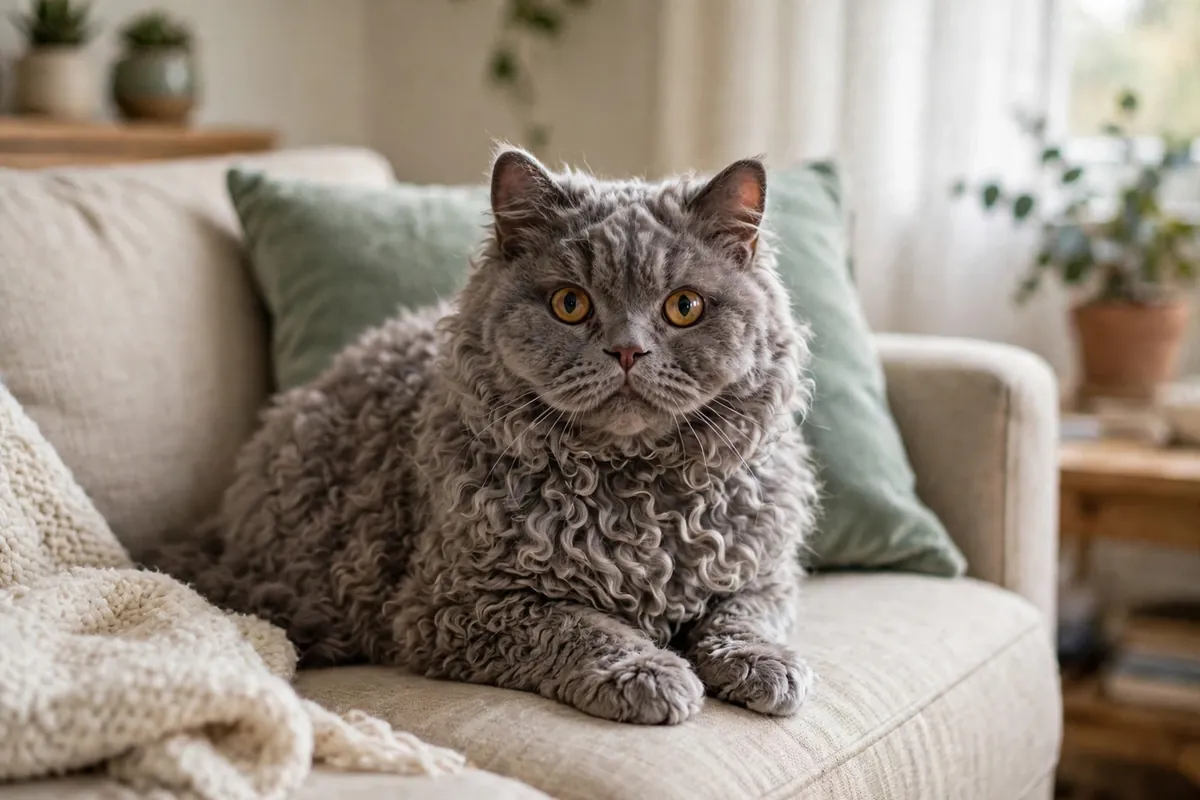
If you have ever wanted a cat who looks like a teddy bear come to life, the Selkirk Rex is the breed to meet. With a plush, curly coat, a round face, and a famously easygoing temperament, the Selkirk Rex is one of the most distinctive — and most underrated — breeds in the cat world. Unlike the slender, high-energy Rex breeds, the Selkirk is a sturdy, calm, affectionate cat who is just as happy curled on your lap as he is playing with a feather wand.
The breed is also relatively new, which means many cat lovers have never heard of it, and even fewer know what living with one is really like. This guide covers the Selkirk Rex's origins, personality, grooming needs for that remarkable curly coat, health considerations, and the honest trade-offs to weigh before bringing one home.
History and Origins of the Selkirk Rex
The Selkirk Rex story begins in Montana in 1987, when a curly-coated kitten was born in a shelter litter and given to a Persian breeder named Jeri Newman. Unlike other Rex breeds, whose curly coats came from recessive genes, the Selkirk's curl is caused by a dominant gene, which meant it could be passed on reliably to about half of each litter. Newman crossed the original curly cat with Persians, Exotic Shorthairs, British Shorthairs, and American Shorthairs, building a breed with a sturdy, cobby body and a dense, plush coat in both longhair and shorthair varieties.
The breed was named after Newman's stepfather, and it gained championship recognition from major cat associations in the 1990s. That Persian and British Shorthair heritage explains much of the Selkirk's character: the calm, laid-back temperament of the Persian without the extreme flat face, and the sturdy build of the British Shorthair without the same reserve. Today the Selkirk Rex remains uncommon, so finding a kitten usually means joining a breeder's waiting list or watching breed-specific rescues.
Temperament: A Gentle, People-Loving Cat
Selkirk Rex cats are best described as patient, affectionate, and adaptable. They bond closely with their people, follow them from room to room, and are famous for tolerating handling that more high-strung breeds would protest — which makes them a good choice for families with respectful children. They are playful without being hyperactive, enjoying interactive play sessions and then settling happily for a long nap on the nearest lap.
They also tend to get along well with other cats and with cat-friendly dogs, especially when introductions are done gradually. Selkirks are not usually demanding or vocal; they will ask for attention with a soft chirp or a headbutt rather than a loud meow, and they are content to wait their turn. The flip side of that devotion is that they do not enjoy long periods alone — a Selkirk left alone all day, every day, may become lonely or bored, so they suit homes where someone is around for much of the day, or where another friendly pet provides company.
Grooming the Curly Coat
The Selkirk's coat is its signature, and it needs a specific approach. The curls are soft, plush, and somewhat fragile, and over-brushing can break them and turn the coat frizzy. For shorthair Selkirks, a gentle comb once or twice a week is usually enough, while longhair Selkirks need combing two to three times a week to prevent matting, especially behind the ears, under the legs, and around the collar area. Use a wide-toothed comb, work gently, and never brush a dry coat vigorously.
Bathing is occasionally needed, particularly for longhair Selkirks, and it should be done with a gentle cat shampoo, followed by careful drying without vigorous towel rubbing, which frizzes the curls. Letting the coat air-dry, or drying on a low, cool setting while scrunching gently, helps the curls reform. Kittens are often born with tighter curls that loosen and then redevelop as they mature, so a Selkirk's coat can look quite different at six months and at two years — a normal part of the breed's development, not a grooming failure.
Shedding is moderate year-round, with a heavier shed in spring as the coat changes with the seasons. A quick comb during shedding season, plus a lint roller for furniture, keeps hair manageable. Start grooming routines in kittenhood, pairing each session with treats and praise, so your Selkirk learns to enjoy being combed rather than merely tolerating it.
Health and Lifespan
Selkirk Rex cats are generally healthy, with a lifespan of around 12 to 15 years, but their ancestry brings a few conditions to watch for. Polycystic kidney disease, inherited from the Persian side, can affect some lines, so reputable breeders screen their cats and should be able to show you results. Hypertrophic cardiomyopathy, a heart condition common in many breeds, is also worth screening for, and hip dysplasia has been reported occasionally in this sturdy, heavy-boned breed.
Weight management matters for Selkirks: their cobby build and calm temperament make it easy for them to gain weight if fed freely, and extra weight strains joints and worsens heart risk. Measured meals, regular play, and annual vet check-ups with weight monitoring are the best prevention. As with any breed, pet insurance and a relationship with a vet who knows the breed's background will serve a Selkirk owner well.
Is a Selkirk Rex Right for Your Home?
A Selkirk Rex is an excellent match for a home that wants an affectionate, calm, teddy-bear companion and can commit to regular gentle grooming, particularly for the longhair variety. They thrive in apartments and houses alike, adapt well to children and other pets, and ask for little beyond companionship, play, and a warm lap. They are not the right choice if you want a highly active, acrobatic cat, if you are away from home for very long hours, or if you want a low-grooming breed and are considering the longhair coat.
When looking for a Selkirk Rex, choose a breeder who health-tests for kidney disease and heart conditions, raises kittens in the home, and is happy to answer questions about the breed's coat and temperament. Ask about the parents' personalities and grooming needs, and be prepared to wait — the breed's rarity is part of its charm, but it means patience is part of the process. For the right home, that wait is repaid many times over by one of the gentlest, most huggable cats in the feline world.
Frequently Asked Questions
Are Selkirk Rex cats hypoallergenic?
No. Despite their curly coat, Selkirk Rex cats still produce the Fel d 1 allergen and shed, so they are not hypoallergenic. Allergy sufferers should spend time with the breed before committing.
Do Selkirk Rex cats need a lot of grooming?
Moderate grooming: shorthairs need a gentle comb once or twice a week, longhairs two to three times a week. Over-brushing can break the curls and frizz the coat.
Are Selkirk Rex cats good with children?
Yes, they are known for patience and tolerance of handling, making them a good family breed when children are respectful and gentle with cats.
How big do Selkirk Rex cats get?
They are medium to large, sturdy cats, with males typically weighing 11 to 16 pounds and females 8 to 12 pounds, reaching full maturity around two years of age.
Where can I find a Selkirk Rex kitten?
The breed is uncommon, so expect a breeder waiting list. Choose a breeder who screens for polycystic kidney disease and heart conditions, and check breed-specific rescues as well.