Persian Cat: Breed Guide & Care Tips
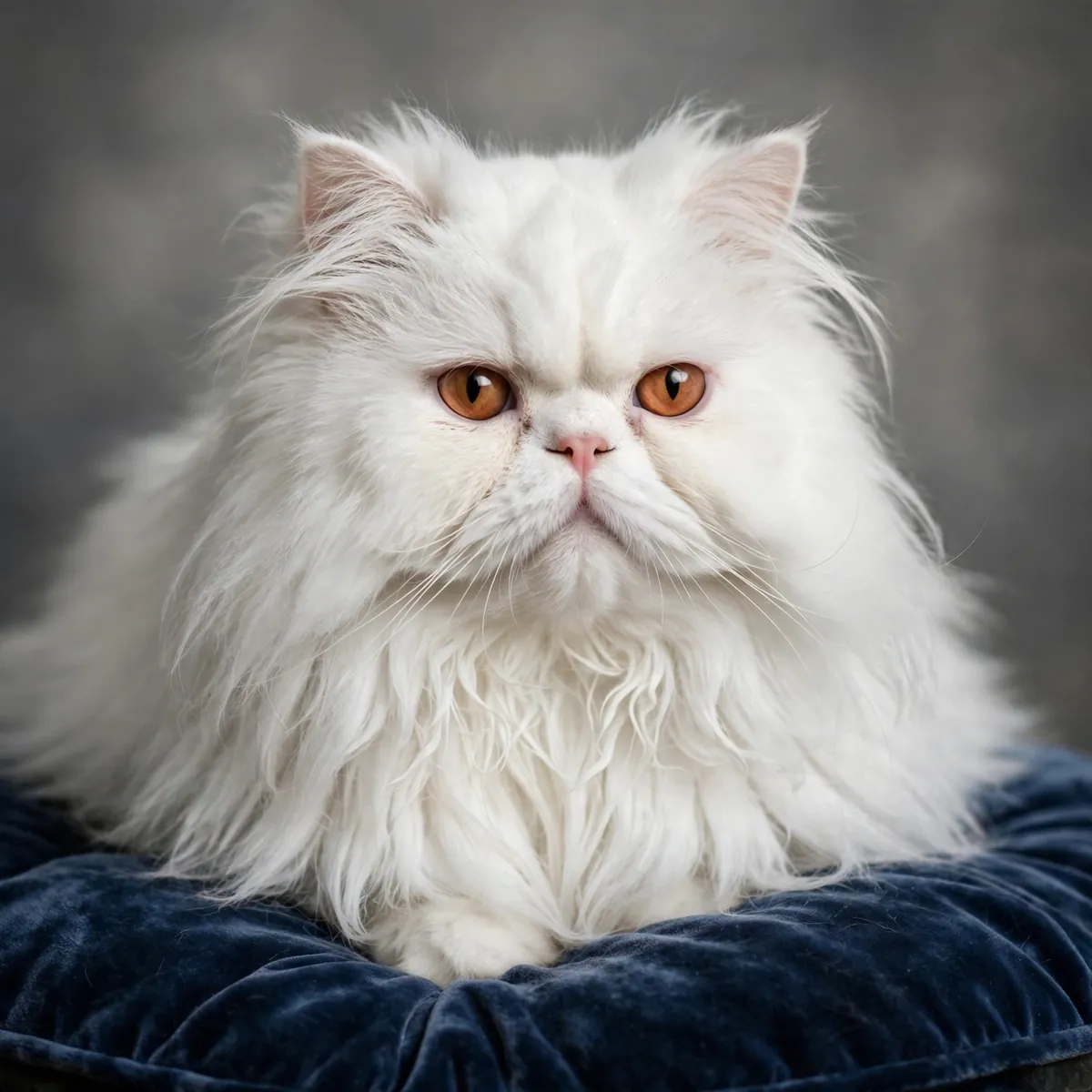
If you're asking whether a Persian cat is right for you, here's the honest summary: Persians are the ultimate calm, glamorous lap cats — gentle, quiet, and undemanding companions who would rather cuddle on the sofa than climb the curtains. But that breathtaking long coat comes with a real daily commitment: a Persian needs brushing every single day to prevent painful mats, plus daily eye cleaning, because their flat faces make their eyes water. This breed guide covers the Persian temperament, appearance, care needs, grooming routine, health considerations, and who this serene breed suits best.
One of the world's oldest and most beloved breeds, the Persian traces back centuries to Persia — modern-day Iran — where longhaired cats were prized by nobility. They became Victorian England's darlings in the 1800s and have ranked among the most popular pedigree cats ever since. Today the Persian is synonymous with luxury: a placid, doll-faced companion built for quiet homes and devoted owners. Here's what life with one is really like.
Persian Cat Personality: The Calm, Gentle Lap Cat
If the Siamese is the extrovert of the cat world, the Persian is the serene introvert. Persians are famously placid, gentle, and undemanding — cats that prefer a predictable routine, a sunny windowsill, and long naps in your lap over wild games of chase. Their voices are soft and musical; many Persian owners say they hardly hear their cat meow at all.
Don't mistake calm for cold, though. Persians bond deeply with their people and are quietly affectionate — they'll follow you to the sofa, settle beside you, and soak up stroking for hours. They're typically reserved with strangers rather than fearful, warming up once they decide you're trustworthy. They are not, as a rule, great leapers or climbers; Persians are "furniture cats" who prefer the ground floor to the top of the bookshelf, which makes them wonderfully suited to apartments.
Persian Cat Appearance: The Flowing Coat and Doll-Like Face
The Persian's glory is its coat: long, thick, and silky, flowing like a gown and coming in a rainbow of colors and patterns — solid white, silver and golden shaded, smoke, tabby, bicolor, Himalayan pointed, and more. Beneath it sits a cobby, sturdy body with short legs, a round head, small rounded ears, and big, expressive round eyes in copper, green, or blue.
The breed's signature flat (brachycephalic) face gives Persians their sweet, doll-like expression — though faces vary from moderately flat "doll-face" types to extremely flat show types. It's worth knowing that flatter faces tend to need more eye care and can have more breathing sensitivity, so discuss facial structure honestly with any breeder you're considering.
Persian Cat Care: A Quiet Home and Daily Attention
Persians are indoor cats, full stop. Their long coat picks up every burr and tangle outdoors, their flat faces make them less equipped to cope with heat or exertion, and their trusting, docile nature leaves them vulnerable to traffic, predators, and theft. A secure indoor life — ideally with a screened window perch or catio for fresh air — is the right call.
They thrive in calm, predictable households. A quiet apartment with a devoted owner is Persian paradise; a chaotic home with rowdy toddlers or a boisterous untrained dog is stressful for most Persians, though individuals vary and gentle older children are usually fine. Keep their world stable: regular feeding times, a clean litter box (long fur and dirty boxes are a miserable combination), fresh water in a wide, shallow bowl that's kinder to flat faces, and quality food that supports coat health. Comparing lifestyles? Our full cat breed guides can help you weigh the Persian against more active breeds.
Grooming a Persian Cat: The Daily Routine That Keeps the Coat Beautiful
Let's be direct: a Persian's coat is a daily commitment. Without everyday brushing, the fine undercoat tangles into mats that pull painfully on the skin — and mats can hide skin infections underneath. Plan on 10–15 minutes a day with a steel comb, working in sections right down to the skin, plus a slicker brush for finishing. Pay special attention to the armpits, belly, behind the ears, and britches, where mats start first.
Eyes need daily attention too. Because of their facial structure, Persians' eyes water more than most cats', leaving reddish-brown tear staining on light fur. Gently wipe each eye daily with a separate damp cloth or a vet-approved eye wipe, always wiping away from the eye. If discharge turns thick, yellow, or green, see your vet.
Round out the routine with nail trims every few weeks, a sanitary trim around the rear as needed, and a bath every four to six weeks with a cat-safe shampoo — rinsed and dried thoroughly, since damp undercoat mats fast. Never cut out a mat with scissors close to the skin; cats' skin tears easily, so leave stubborn mats to a groomer or vet. Start the routine in kittenhood and most Persians learn to enjoy it as bonding time.
Persian Cat Health Issues to Discuss With Your Vet or Breeder
With attentive care, Persians often live well into their teens. Their distinctive structure does bring specific health topics to discuss:
- Breathing and heat sensitivity. The flat face (brachycephaly) can mean noisy breathing and lower tolerance for heat and exertion. Keep your Persian cool, avoid stressful overexertion, and never leave them in a hot car.
- Eye issues. Shallow eye sockets and tear-drainage quirks make watery eyes, tear staining, and eye infections more common. Daily cleaning plus prompt vet attention for any change in discharge keeps small problems small.
- Dental crowding. The shortened jaw can crowd teeth, raising the risk of dental disease. Home tooth-brushing and regular veterinary dental checks matter here.
- Polycystic kidney disease (PKD). An inherited condition once common in Persians that causes cysts on the kidneys. The good news: a DNA test exists, and responsible breeders screen their breeding cats — always ask for PKD screening results.
That last point is key: a reputable Persian breeder health-tests breeding cats (including PKD), raises kittens in the home, and answers every question willingly. And remember that shelters and Persian-specific rescues regularly have Persians and Persian mixes looking for homes — adopting an adult means the coat, temperament, and health picture are already known.
Is a Persian Cat Right for You?
A Persian could be your perfect match if you:
- Want a calm, quiet, affectionate lap cat rather than an athletic entertainer
- Live in an apartment or a peaceful household with a predictable routine
- Can genuinely commit to 10–15 minutes of grooming every day — or to regular professional grooming plus home maintenance between visits
- Are home enough to enjoy (and maintain) a companion-oriented cat
- Have gentle older children or a calm household — Persians do best where they won't be chased or roughly handled
Think twice if you want a playful, high-energy cat, travel constantly, or know daily brushing won't happen — a neglected Persian coat becomes a welfare issue, not just a cosmetic one. If the fit feels right, start your search at shelters and rescues, and explore more everyday care advice on the Purrfect Paws homepage.
Frequently Asked Questions
Do Persian cats really need daily brushing?
Yes — this is non-negotiable. Their long, fine undercoat mats quickly, and mats pull painfully on the skin. Ten to fifteen minutes with a steel comb every day prevents nearly all matting. If that schedule sounds impossible, a shorter-coated breed will make you both happier.
Are Persian cats good with children?
They're gentle and tolerant, but they prefer calm. Persians do best with older, respectful children who understand gentle handling — not toddlers who chase or grab. Always supervise young kids with any cat.
Do Persian cats shed a lot?
Yes, more than shorthaired breeds. Daily brushing captures most loose hair before it lands on your furniture. And no — despite the myth, no cat breed is truly hypoallergenic, Persians included.
Why do my Persian's eyes water so much?
Their flat facial structure affects normal tear drainage, so watery eyes and tear staining are common in the breed. Daily gentle wiping manages it. See your vet promptly if discharge becomes thick, yellow or green, or the eye looks red or swollen.
Should I adopt a Persian or buy from a breeder?
Check shelters and Persian-specific rescues first — Persians and Persian mixes do end up in rescue, and adopting an adult means you know their temperament and coat. If you buy, choose a breeder who PKD-tests breeding cats, raises kittens at home, and lets you meet the mother.