British Shorthair: Breed Guide
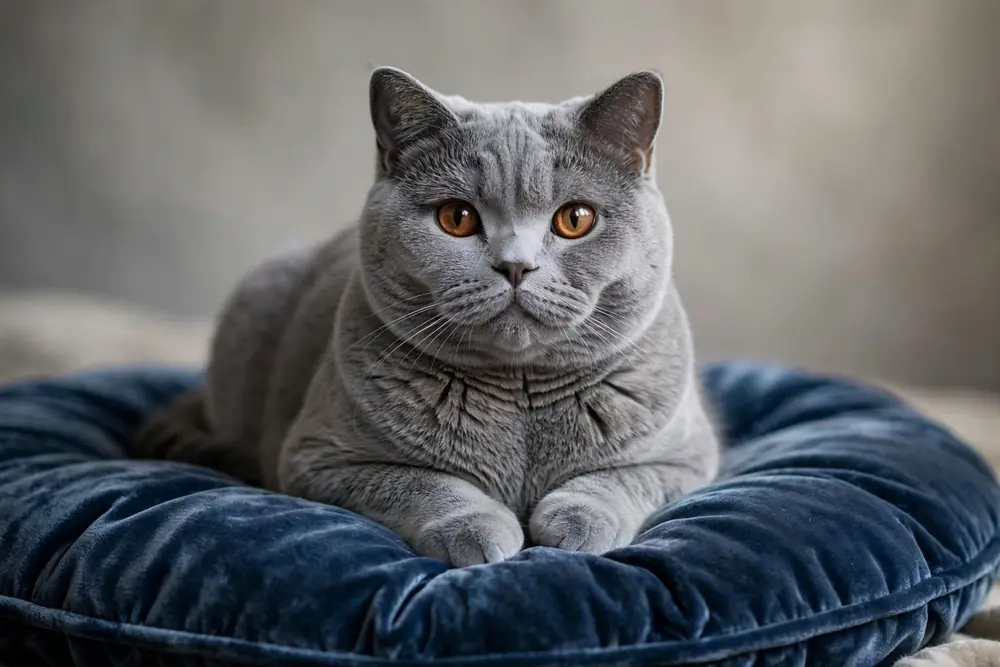
With round cheeks, a plush teddy-bear coat, and an unflappable calm, the British Shorthair looks like it was designed for cozy evenings. The quick verdict: British Shorthairs are calm, independent, low-maintenance companions — ideal for owners who want an affectionate but undemanding cat. They're not clingy lap cats, but they're deeply loyal. Here's everything about their personality, care, and whether one fits your life.
One of the oldest recognized breeds, the British Shorthair is famous for being easygoing: quiet, clean, dignified, and tolerant. If the Maine Coon is the extroverted party guest, the British Shorthair is the charming friend who's happy just being in the room.
British Shorthair at a Glance
- Size: medium to large — males 9–17 lbs, females 7–12 lbs; cobby, muscular build.
- Coat: short, dense, plush ("crisp" texture); moderate shedding.
- Lifespan: commonly 14–20 years — one of the longer-lived breeds.
- Personality: calm, independent, quiet, dignified, loyal.
- Good with: calm households, older children, other pets — as long as their peace is respected.
Personality: Calm, Dignified, Devoted
- Quiet companions. British Shorthairs are famously undemanding — they won't yowl for attention or climb your curtains. They simply enjoy being near you, often sitting nearby rather than on you.
- Independent but bonded. They're fine being alone during workdays (a genuinely good breed for working owners), yet they greet you at the door and follow household rhythms.
- Not typical lap cats. Most British Shorthairs dislike being picked up and carried — they prefer all four paws on the ground. Affection on their terms: beside you on the sofa, headbutts, slow blinks.
- Patient and tolerant. Their steady temperament makes them good with respectful children and other animals — though they won't appreciate rough handling.
- Playful in bursts. They're not hyper, but they enjoy short play sessions, especially as kittens. Interactive toys a few times a week keep them fit.
Think of them as the introverts of the cat world: deeply loving, just not performative about it.
Care and Grooming
British Shorthairs are refreshingly low-maintenance:
- Brushing: once a week is plenty (more in spring shedding season). Their dense coat can mat if totally neglected, but it's easy care compared to long-haired breeds.
- Weight watch: this is the big one. British Shorthairs are sturdy, food-loving, and not very active — a perfect recipe for obesity. Measure food, limit treats, and encourage play. You should feel ribs under that plush coat.
- Routine care: nail trims every few weeks, dental care, and clean ears as needed — standard cat maintenance.
- Enrichment: puzzle feeders are ideal — they engage the brain and slow down eating, fighting both boredom and weight gain.
Health and Lifespan
British Shorthairs are generally robust with an impressive lifespan, but be aware of:
- Hypertrophic cardiomyopathy (HCM) — heart screening in breeding cats matters; ask breeders for proof.
- Polycystic kidney disease (PKD) — DNA testable; responsible breeders screen.
- Obesity-related issues — diabetes and joint strain from excess weight are the most common real-world health problems in the breed, and they're preventable.
With sensible feeding and regular vet care, 14–20 years is a realistic expectation — one of the best longevity outlooks among pedigreed cats.
Is a British Shorthair Right for You?
You'll love a British Shorthair if: you want a calm, quiet, low-maintenance cat; you work full days (they handle solitude gracefully); you prefer a dignified companion over a Velcro cat; and you'll commit to portion control.
Think twice if: you dream of a cuddly lap cat that sleeps on your chest (most won't); you want a highly interactive, dog-like cat; or you can't resist overfeeding a pleading round face (their kryptonite — and yours).
Finding one: choose breeders who health-test (HCM/PKD) and raise kittens in the home, or check British Shorthair rescues. Avoid anyone selling "cheap" pedigree kittens with no health screening — the vet bills later dwarf any upfront savings.
Daily Life With a British Shorthair
What's it actually like sharing a home with one? A typical day:
- Morning: your British Shorthair greets you — probably sitting nearby rather than on you — supervises breakfast preparation, then eats sedately.
- Workday: the breed's superpower. They nap, watch birds from the window, and generally self-manage without destroying anything. This is why they're so often recommended for working owners.
- Evening: the social hour. Expect your cat to claim the sofa arm or the spot next to you (rarely on you), purring quietly, accepting chin scratches on their terms.
- Playtime: short bursts — 10 minutes with a wand toy a few times a week keeps them fit. They play like they do everything: with dignity, then they're done.
With other pets: their calm confidence usually wins over cat-friendly dogs, and they're unbothered by respectful cats. Introductions should still be gradual — dignity doesn't mean instant friendship.
The one thing they ask: routine. British Shorthairs thrive on predictability — same feeding times, same quiet household rhythms. They're the cats most likely to be visibly offended by rearranged furniture. Respect the routine, keep portions sensible, and you'll have a plush, purring shadow for up to two decades.
British Shorthair Colors: Beyond the Classic Blue
The iconic British Shorthair is "blue" (a solid slate grey), but the breed comes in a wide palette:
- Blue — the classic, with copper or gold eyes.
- Black, white, cream, and red solids — each with its own eye-color standard.
- Silver tabby and other tabby patterns — striking and popular.
- Bi-color and colorpoint varieties — including tortoiseshell ("tortie") females.
Color doesn't change temperament — a cream British Shorthair is every bit as calm as a blue one. Choose with your eyes; the personality comes standard. One note: white cats with blue eyes have higher rates of hereditary deafness, so have hearing checked at the vet visit.
Whichever color you choose, the dense plush coat needs the same weekly brushing routine — and that quiet, steady companionship is identical in every shade. The British Shorthair's real beauty was never the color; it's the calm.
Frequently Asked Questions
Are British Shorthairs lap cats?
Usually not — most dislike being held or carried, preferring to sit beside you instead. They show love through proximity, headbutts, and quiet companionship rather than lap-sitting.
Are British Shorthairs good with kids?
Yes, with respectful children. Their calm, patient nature handles family life well, but like all cats they need kids who understand gentle handling — and they need escape routes when they've had enough.
Do British Shorthairs shed much?
Moderately — their dense double coat sheds year-round with heavier seasonal periods. Weekly brushing keeps it under control; it's far less work than a long-haired breed.
Why is my British Shorthair so chunky?
The breed is naturally cobby and heavy-boned, so some roundness is normal — but they also gain weight easily. If you can't feel the ribs, it's time to measure portions and add play sessions, not just admire the chonk.
British Shorthair vs. Scottish Fold — which is calmer?
Both are calm, but the British Shorthair is generally sturdier in health (Scottish Folds carry the cartilage mutation affecting joints). For a placid, plush companion with fewer breed-specific health worries, the British Shorthair is the safer pick.