Best Cat Breeds for Apartments
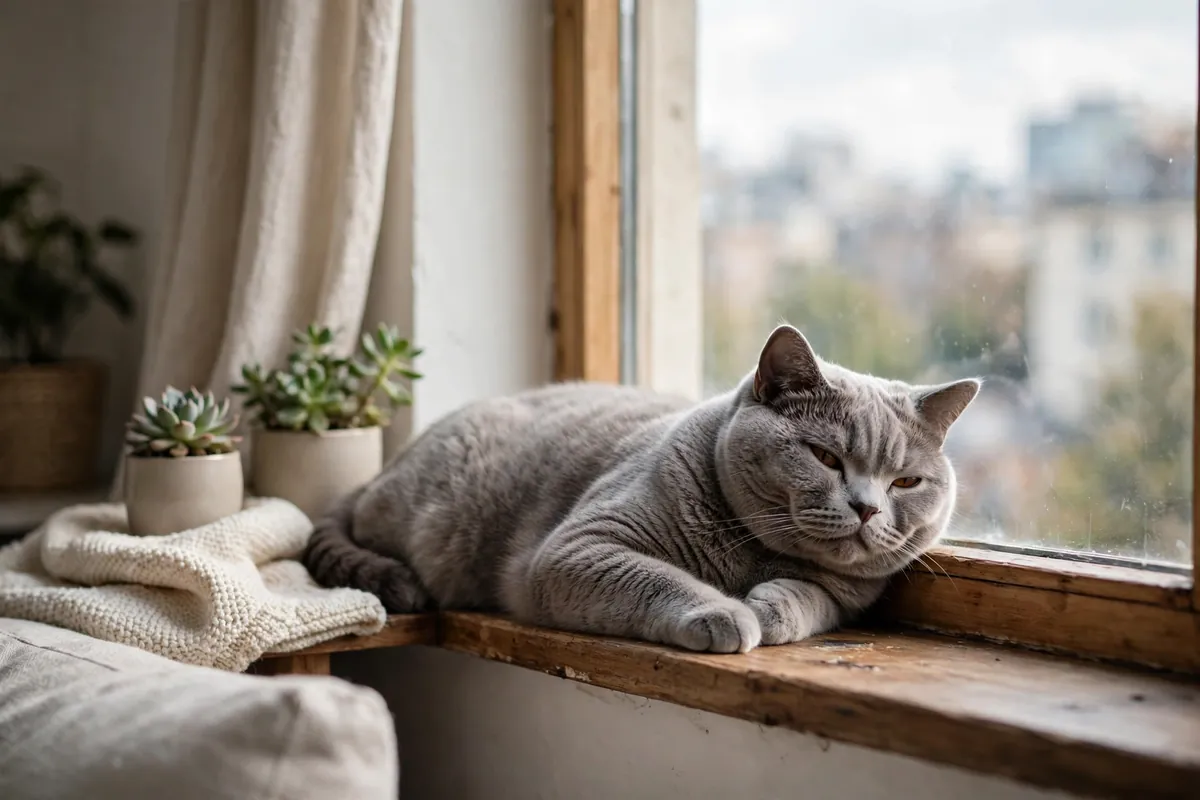
Small space, big love? The best cat breeds for apartments include the British Shorthair, Scottish Fold, Ragdoll, Persian, Russian Blue, Burmese, Devon Rex, and Sphynx. These breeds share the traits that make apartment life work: calm temperaments, moderate energy, relatively quiet voices, and a genuine happiness with indoor life. In fact, most cats — regardless of breed — adapt beautifully to apartments when their environment meets their needs.
Below, we profile eight breeds that tend to thrive in small homes, explain what makes a cat a good apartment companion, and share practical setup tips for making a tiny space feel like cat paradise.
What Makes a Cat a Good Apartment Cat?
Square footage matters far less than most people think. What separates a great apartment cat from a frustrated one is temperament and enrichment. Look for low to moderate energy levels — a cat that is content with play sessions and naps rather than sprinting laps around the flat at 3 a.m. A quieter voice is a real plus when walls are thin; breeds like the Siamese are wonderful but famously loud.
Good apartment cats also tend to be adaptable and people-oriented rather than territory-driven, since they share every square foot with you. Easy litter-box habits help too — most indoor breeds take to the box quickly. And do not forget the environment: even the calmest breed needs a clean litter box away from food, fresh water, scratching surfaces, and a few vertical perches. A well-set-up studio apartment beats a bare, boring house every time.
The 8 Best Cat Breeds for Apartment Living
1. British Shorthair — The Perfect Flatmate
The British Shorthair might be the single best apartment breed. Calm, quiet, undemanding, and happy with alone time during your workday, it is tailor-made for apartment life. These plush, teddy-bear cats enjoy your company without demanding it, adapt to small spaces easily, and rarely vocalize loudly. Their dense coat needs weekly brushing and they can gain weight on an indoor diet, so measured meals and play sessions matter. For a first-time apartment owner, this breed is hard to beat.
2. Scottish Fold — The Gentle Companion
Scottish Folds are calm, gentle cats that bond closely with their people and are perfectly content in small homes. They love lap time but are not needy, and they are generally quiet — a blessing for thin walls. Their famous folded ears come with a genetic cartilage condition, so choose a health-tested breeder and keep your Fold at a healthy weight with gentle, low-impact play. In an apartment, their sweet, undemanding nature shines.
3. Ragdoll — The Indoor Cuddle Expert
Ragdolls are famously indoor-oriented cats, which makes them natural apartment dwellers. They are large but docile, preferring to sprawl across the sofa (and you) rather than tear around the room. Their people-loving nature means they will follow you from kitchen to bedroom, happily claiming every cushion. The main apartment considerations: regular brushing for that silky semi-long coat, and enough companionship — Ragdolls can get lonely, so they suit owners who are home often or are open to a second cat.
4. Persian — The Serene Roommate
Persians are the definition of low-key. They move slowly, vocalize rarely, and are happiest arranged decoratively on the nearest soft surface. This calm, predictable nature makes them excellent for small, quiet apartments — including ones with noise-sensitive neighbors. The trade-off is maintenance: daily brushing for that long coat, regular face cleaning, and a stable routine. If your apartment lifestyle is more "cozy evenings" than "busy social hub," a Persian fits beautifully.
5. Russian Blue — The Quiet Observer
Russian Blues are elegant, intelligent cats with a soft, almost whispery voice — ideal when neighbors share your walls. They are gentle and affectionate with their family but reserved with strangers, and they adapt well to routine, making them great for apartment dwellers with regular schedules. They play in short bursts and then retire to a favorite perch. Their short, dense coat needs minimal grooming. One note: they can be sensitive to change, so settle them in patiently when they first arrive.
6. Burmese — The Social Snuggler
Burmese cats are deeply people-oriented and love apartment life for the best reason: it keeps them close to you. They crave attention, enjoy being held, and stay playful for years, so they are perfect if you want an interactive companion in a small space. Their short, satiny coat is nearly maintenance-free. The one caution: Burmese do not like being alone all day. If you work long hours away from home, plan for a second cat for company or arrange someone to check in midday.
7. Devon Rex — The Warm Little Shadow
The Devon Rex is small, playful, and obsessed with human warmth — a combination that works wonderfully in apartments. Devons perch on shoulders, burrow under blankets, and follow their people everywhere, turning even a studio into an adventure. They stay kitten-like and active, but their small size means they do not need much room to play. Their short, wavy coat sheds minimally. Give them vertical climbing spots and interactive toys, and they will happily entertain themselves when you are busy.
8. Sphynx — The Heat-Seeking Housemate
The hairless Sphynx is a surprising apartment star. These cats are affectionate, playful, and love nothing more than snuggling with their humans — which is lucky, because without fur they genuinely seek your warmth. No shedding means no hair on the sofa, though their skin needs regular wiping and they need sweaters or warm spots in cooler months. Sphynx cats are social and vocal, so they suit owners who are around and want an engaged, clownish companion rather than an aloof one.
Setting Up Your Apartment for a Cat
The right setup makes any breed happier in a small space. Place the litter box in a quiet, accessible spot — never next to food — and scoop daily. Add vertical space: a tall scratching post or wall-mounted shelves doubles your cat's usable territory without taking floor space. A window perch at the sunniest window provides hours of entertainment and warmth.
Rotate a few interactive toys to keep play fresh, and schedule at least one real play session a day — a tired cat is a happy apartment cat. A sturdy scratching post near the sofa saves your furniture. Finally, consider a cat-safe plant or two for greenery, but double-check every plant against a toxic-plants list before bringing it home.
Breeds to Think Twice About in Small Spaces
Honesty matters here: not every breed is an easy apartment fit. Bengals are athletic, vocal, and intensely energetic — they can thrive indoors, but only with very dedicated owners who commit to heavy daily play and enrichment. Abyssinians are similar: endlessly active and curious, they need more space and stimulation than a small, quiet flat usually offers. Very large, powerful breeds like the Savannah are simply not practical for most apartments. If your heart is set on a high-energy breed, be realistic about the time and enrichment you can provide — the cat's happiness depends on it.
Frequently Asked Questions
Can cats be happy in a small apartment?
Yes. Most cats adapt well to apartment living as long as their needs are met: a clean litter box, fresh water, daily play, scratching surfaces, and some vertical space to climb. What matters far more than square footage is enrichment — a busy small apartment beats a boring big house.
Are two cats better than one in an apartment?
Often, yes — especially for social breeds. Two cats (particularly a bonded pair) keep each other company during your workday, which reduces boredom and loneliness. It does mean double the litter box duty, but many owners find a pair is easier overall than one bored, lonely cat.
Do I need a balcony or patio for an apartment cat?
No. A sunny window with a perch gives cats the bird-watching and sunbathing they crave without any outdoor access. If you do have a balcony, only use it with a fully enclosed catio or cat netting — cats can and do fall from high balconies.
What is the quietest cat breed for thin apartment walls?
British Shorthairs, Persians, Scottish Folds, and Russian Blues are all known for being relatively quiet. Siamese and other oriental breeds are famously vocal, so they may not be the best choice if your walls are thin and your neighbors are sensitive.
Can I keep a Maine Coon in an apartment?
You can, but plan for the size. Maine Coons adapt fine to indoor apartment life as long as they get daily play and have sturdy furniture that can hold them — cheap lightweight cat trees will not survive a full-grown Maine Coon. They are also a chatty breed, so thin walls are worth considering.