Indoor vs Outdoor Cats: Which Life Is Better?
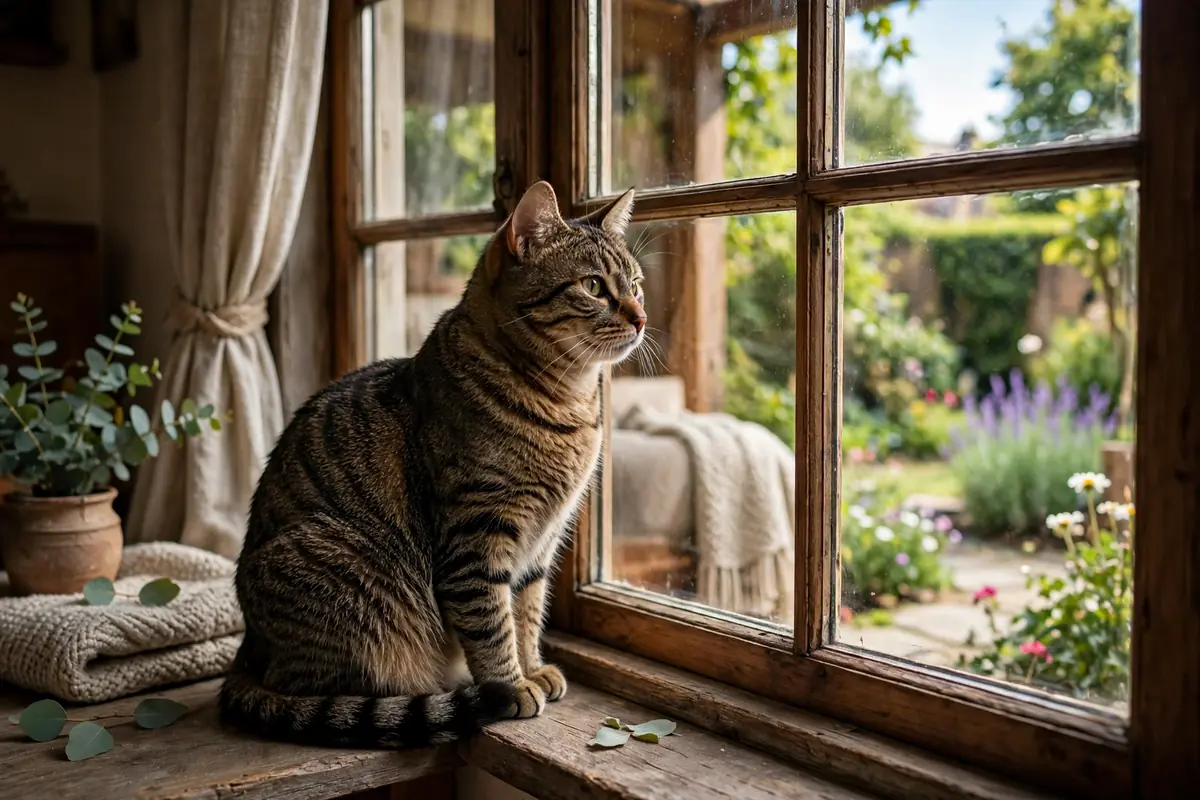
So which life is actually better for a cat? The honest answer: indoor life is safer and generally healthier — indoor cats typically live much longer than outdoor-roaming cats — but outdoor life satisfies powerful natural instincts that indoor cats need help fulfilling. Neither lifestyle is perfect on its own, and the right choice depends on your home, your neighborhood, your local wildlife, and your cat's personality. The best news is you don't have to pick an extreme: with good enrichment and safe outdoor options like catios and leash walks, your cat can get the best of both worlds. This guide lays out the real pros and cons so you can decide with confidence.
This is one of the most heated debates in the cat world, and you'll hear strong opinions on both sides. Some owners insist cats are miserable cooped up inside; others would never let theirs past the front door. Both camps have a point — which is exactly why a balanced look matters more than a slogan. Let's start with the single biggest difference between the two lifestyles: how long cats live.
How Much Longer Do Indoor Cats Live Than Outdoor Cats?
If you take one thing from this article, let it be this: indoor cats live significantly longer on average than cats allowed to roam freely outdoors — often many years longer. Veterinary sources consistently report this gap, and the reason is not genetics or luck. It is simple exposure: every day an outdoor cat faces traffic, predators, disease, fights, poisons, and weather, while an indoor cat faces almost none of those. Over a lifetime, those daily risks add up enormously.
Many indoor cats reach their mid-teens and beyond, while roaming cats suffer far higher rates of early death — especially in the first years of life, when curiosity makes young cats most vulnerable.
But lifespan isn't everything: a long, boring, sedentary life brings its own problems — obesity, stress behaviors, frustration. Safety is indoor life's superpower; enrichment is its homework.
Outdoor Cat Dangers: Traffic, Disease, Predators and Poison
The outdoors is full of things cats did not evolve to handle. Here are the main risks, roughly in order of how often they cause harm:
- Traffic. By far the leading cause of traumatic death in outdoor cats. Even on quiet streets, cats are crepuscular — most active at dawn and dusk, exactly when visibility is worst for drivers.
- Infectious disease. Roaming cats meet other cats, and with them come feline leukemia (FeLV), feline immunodeficiency virus (FIV), upper respiratory infections, and intestinal parasites. Vaccines help, but no vaccine covers everything.
- Fights and abscesses. Territorial disputes with other cats lead to bite wounds, which frequently become painful abscesses — one of the most common reasons outdoor cats visit the vet.
- Predators and dogs. Depending on where you live: coyotes, foxes, birds of prey, and loose dogs all kill cats every year. Even in cities, large dogs off-leash are a real threat.
- Poisons. Antifreeze (which tastes sweet to cats), rodenticides, slug pellets, and treated lawns are all potentially lethal, and you cannot control what neighbors use.
- Getting lost, trapped, or taken. Cats get shut into sheds and garages, wander too far, or are picked up by well-meaning strangers — or worse, by people with bad intentions.
- Weather and parasites. Extreme heat, freezing cold, ticks, and fleas hit outdoor cats hardest.
What Outdoor Life Gets Right: Instincts and Natural Enrichment
The outdoors lets cats be cats: stalking insects, climbing trees, feeling sun and breeze, patrolling territory. All of it engages brain and body, and outdoor cats get abundant natural exercise — one reason they're less prone to obesity.
A bored indoor cat can develop real problems: overeating, over-grooming, shredded furniture, aggression, lethargy. Those aren't signs the cat "needs" the outdoors — they're signs the indoor environment is failing them. The fix is a better indoors, and the next section shows how.
Indoor Cat Enrichment: How to Keep an Indoor Cat Happy
An enriched indoor home can give a cat nearly everything the outdoors offers except the danger. The formula is simple: climb, scratch, hunt, watch, and rest.
- Go vertical. Cats feel safe and stimulated up high. A tall cat tree, wall-mounted shelves, or even cleared bookshelf tops create a whole second floor for your cat.
- Window perches. A comfortable perch at a window with a view — ideally facing a bird feeder — is a cat's favorite television. This alone relieves enormous boredom.
- Interactive play, twice daily. Ten to fifteen minutes with a wand toy that mimics prey (fluttering, darting, hiding) satisfies the hunt-catch-kill cycle far better than a toy left on the floor. End sessions by letting the cat "catch" the toy, then feed a meal — hunt, then eat, then groom, then sleep, just like nature.
- Puzzle feeders. Make at least one meal a day a foraging challenge. It slows down speed-eaters and engages the brain.
- Scratching options everywhere. Offer both vertical posts and horizontal pads, in sisal and cardboard, near sleeping spots and doorways — cats scratch to stretch and mark, and the right options protect your sofa.
- Rotate toys and add novelty. A paper bag, a cardboard box with holes cut in it, or cat-safe grass (wheatgrass) to nibble all beat an expensive toy ignored for months. Rotate the toy box weekly so old toys feel new.
- Consider a companion. A second cat can be wonderful company — but only if temperaments match and introductions are done slowly. Two mismatched cats are worse than one happy solo cat.
For more room-by-room ideas, browse our cat care guides — and if you're starting from scratch with a young cat, our homepage rounds up the essentials every new owner should know.
Safe Compromises: Catios, Leash Training and Supervised Time Outside
Can't decide? You don't have to. These middle-ground options give cats fresh air and stimulation with a fraction of the risk:
- Catios. An enclosed outdoor patio for cats — from a simple window box to a full backyard enclosure — lets your cat sunbathe, watch birds, and feel the breeze in complete safety. DIY catio plans using lumber and wire mesh are affordable weekend projects, and kits exist for renters too.
- Harness and leash training. Yes, cats can learn it. Use a proper escape-proof cat harness (never just a collar), start indoors with treats, keep early sessions to five minutes, and let the cat lead — this is a sniffing expedition, not a dog walk. Most cats take days to weeks to accept the harness.
- Supervised garden or balcony time. A cat-proofed balcony (fully netted — falls from height injure thousands of cats yearly) or a secure yard under your watch gives outdoor flavor safely.
- Cat-proof fencing. Roll-bar or angled-mesh fence toppers keep cats in your yard and most dangers out — a bigger investment, but excellent for committed owners.
Transitioning an outdoor cat indoors? Do it gradually rather than slamming the door shut: increase play sessions, add window perches and puzzle feeders first, then shorten outdoor time over a couple of weeks. Expect protest meowing — it fades as the indoor life gets more interesting. Most formerly outdoor cats adjust within a month and many become calmer, healthier, and more affectionate.
Frequently Asked Questions
Is it cruel to keep a cat indoors?
No — a safe, enriched indoor life is not cruel. What would be unfair is keeping a cat indoors with nothing to do. Cats need climbing, hunting play, scratching, and window views; provide those and most indoor cats are perfectly content.
Are outdoor cats happier than indoor cats?
They get more natural stimulation, but they also experience more fear, injury, and illness. Happiness is hard to measure, but an enriched indoor cat with daily play and safe outdoor access (like a catio) arguably gets the best of both worlds.
Can I turn an outdoor cat into an indoor cat?
Yes, with patience. Boost indoor enrichment first — perches, puzzle feeders, twice-daily play — then gradually reduce outdoor time. Most cats adjust within a few weeks, though some persistent roamers need extra play to stay satisfied.
Is a catio enough outdoor time for a cat?
For most cats, yes. A catio provides fresh air, sunshine, bird-watching, and new smells safely. Pair it with indoor play and many cats never miss roaming — it's the single best compromise for owners torn between the two lifestyles.
My cat keeps begging to go outside — what should I do?
Don't give in to door-dashing: it teaches the cat that persistence works. Instead, redirect that energy — schedule a play session when the begging starts, try harness training, or build a catio so the desire gets a safe outlet.