Why Is My Cat Losing Fur? 9 Causes of Cat Hair Loss
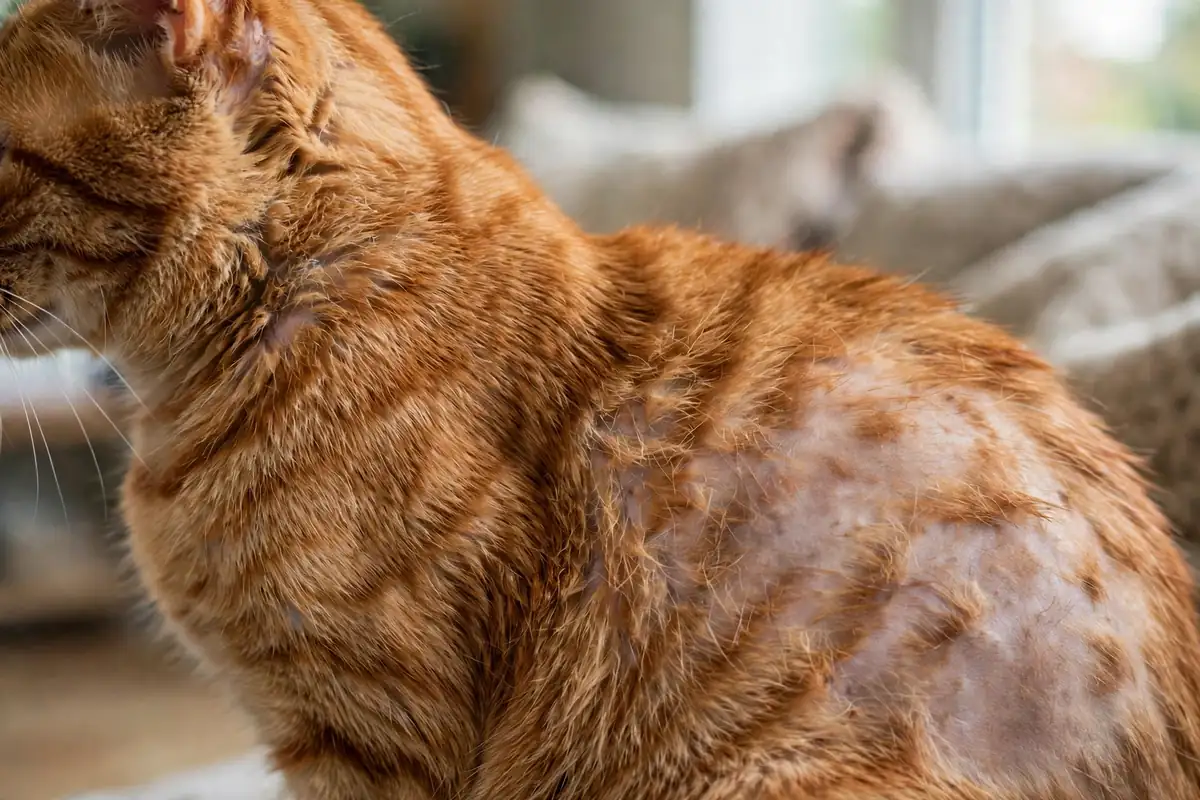
Finding extra fur on the couch is normal — but thin patches, bald spots, or a cat that will not stop licking one area are not. Sometimes it is just seasonal shedding; other times it is your cat signaling a problem: an unreachable itch, a hidden pain, or a stress they cannot escape.
This guide breaks down the 9 most common causes of hair loss in cats, shows you how to check your cat's skin at home, explains what your vet will look for, and pinpoints when fur loss moves from "watch it" to "call the vet."
Normal Shedding vs. Worrying Hair Loss
All cats shed — even short-haired and indoor ones. Shedding peaks in spring and fall as cats change coats, but the coat still looks full and even with healthy skin underneath and no bare areas. Regular brushing keeps it under control.
True hair loss (the technical term is alopecia) is different. Warning signs include bald patches, symmetrical thinning, a bare belly, broken hairs, red or flaky skin, sores, or excessive scratching. If you can see skin where fur used to be, investigate rather than just sweep more often.
9 Causes of Hair Loss in Cats
Here are the most common reasons cats lose fur, from the everyday to the medical:
- Flea allergy dermatitis. The top cause of itchy hair loss in cats. Many cats are allergic to flea saliva, so even one or two bites trigger intense itching — typically hair loss and scabby skin around the tail base, back, and hind legs. Indoor cats can get fleas too; they hitchhike in on shoes, clothing, and other pets.
- Food allergies and sensitivities. When a cat's immune system reacts to a diet ingredient (often a protein), the skin suffers: itching around the head and neck, overgrooming, and patchy loss that can appear anywhere. Diagnosis needs a vet-supervised elimination diet — do not cut foods out on your own, since unguided changes risk nutritional gaps.
- Environmental allergies. Pollen, dust mites, and household irritants can make a cat's skin itch. These allergies tend to be seasonal or tied to triggers like new detergent on bedding or dusty litter. Affected cats scratch their face and neck or lick their belly and paws. Your vet can help narrow down triggers.
- Ringworm (fungal infection). Despite the name, no worm is involved — it is a contagious fungal skin infection causing circular, scaly bald patches, usually on the head, ears, and legs. It can spread to other pets and people, and kittens are especially prone. It needs a vet's diagnosis (a special lamp test or fungal culture) rather than guesswork.
- Stress and overgrooming. Cats groom to self-soothe, and an anxious cat can lick until the fur thins — typically on the belly, inner thighs, and flanks in a symmetrical pattern with healthy-looking skin. Moves, new pets, or routine changes are common triggers. Since stress overgrooming looks identical to itch-driven overgrooming, a vet visit must rule out medical causes first.
- Pain-related overgrooming. Sometimes a cat licks one spot raw not from itching but from pain underneath — arthritis, a bladder issue, or an old injury. If your cat focuses on one area with otherwise normal-looking skin, pain is a strong suspect.
- Hormonal disorders. An overactive thyroid (common in older cats) or Cushing's disease can cause symmetrical coat thinning, fragile skin, and weight or appetite changes. Hormonal hair loss usually brings other clues like increased thirst, which is why bloodwork is the vet's go-to tool here.
- Ear mites and other parasites. Beyond fleas, ear mites, mange mites, and lice cause intense itching and hair loss around the ears, head, and neck. Ear mites bring head shaking and dark crumbly ear debris. These parasites are treatable, but the right treatment depends on the exact culprit — another reason a vet's microscope beats home guessing.
- Poor nutrition. A dull, thinning coat can reflect the bowl. Diets low in quality protein or essential fatty acids leave the coat brittle and shedding more than normal — most common with unbalanced homemade diets or very low-quality food. A vet can assess diet and guide a safe switch to a complete, balanced food.
How to Check Your Cat's Skin at Home
A calm skin check gives you and your vet valuable clues. In good light, part the fur behind the ears, along the back, at the tail base, on the belly, and on the inner thighs.
- Look for parasites. Part the fur at the tail base and look for live fleas or black pepper-like specks. A speck that smears reddish-brown on a damp white tissue is flea dirt.
- Note the pattern. Is the loss symmetrical, confined to one spot, or around the ears or tail? The pattern is a key diagnostic clue for your vet.
- Check the skin itself. Healthy skin is pale pink and smooth. Note any redness, flakes, scabs, sores, or greasy feel — and exactly where they appear.
- Watch the behavior. Does your cat scratch or lick one area repeatedly, or groom frantically rather than calmly? Behavior matters as much as appearance.
Photograph anything unusual before your appointment — skin changes shift day to day, and photos help your vet. Browse related topics on our Cat Health page.
What Your Veterinarian Will Do
Your vet will examine the skin and coat, then run targeted tests: a flea comb check, skin scrapings for mites, a fungal culture or lamp test for ringworm, and bloodwork for hormonal or nutritional issues. Suspected allergies may lead to an elimination diet trial.
Treatment follows the cause — parasite control, antifungal therapy, allergy management, stress reduction, or diet changes. Hair loss is a symptom, not a diagnosis, so the vet's job is finding the trigger. Never apply dog flea products, essential oils, or human skin creams to a cat — many are toxic and can turn a mild problem into an emergency.
Home Care and Prevention
While you work with your vet on the underlying cause, these habits support a healthier coat:
- Brush regularly. Brush short-haired cats weekly and long-haired cats daily to remove loose fur, distribute skin oils, and spot new bald patches early.
- Keep parasite prevention current. Year-round flea prevention is the most effective step against the top cause of itchy hair loss — ask your vet which product suits your cat.
- Feed a complete, balanced diet. Choose food labeled complete and balanced for your cat's life stage, and transition gradually when switching.
- Reduce stress. Keep routines predictable, provide hiding spots and vertical space, and introduce changes gradually.
- Keep the environment clean. Wash bedding regularly, vacuum sleeping areas, and try dust-free litter if your cat seems dust-sensitive.
Most cats regrow fur within weeks to months once the cause is addressed — consistency with the treatment plan matters more than any quick fix. Find more guidance on the Purrfect Paws homepage.
When to See the Vet About Hair Loss
Book a veterinary appointment if you notice any of the following:
- Bald patches, thinning areas, or broken hairs anywhere on the body.
- Red, flaky, scabby, or sore-looking skin under the missing fur.
- Intense scratching, head shaking, or frantic overgrooming.
- Hair loss paired with weight loss, increased thirst, appetite changes, or lethargy.
- Multiple pets or people in the household developing similar skin issues (possible ringworm).
- No improvement after a couple of weeks of basic care, or the loss is spreading.
Hair loss rarely resolves on its own — the underlying cause usually needs treatment, and an early visit is simpler and cheaper than a late one.
Frequently Asked Questions
Is it normal for my cat to lose fur?
Shedding is normal, especially in spring and fall, but visible bald patches or irritated skin are not. If you can see skin where fur used to be, your cat needs a vet check.
Why is my cat overgrooming and pulling out fur?
Overgrooming usually signals discomfort — itching from allergies or fleas, pain from arthritis, or stress and anxiety. Watch for licking that breaks the skin or creates bald patches on the belly or legs, and see your vet to find the trigger.
Can stress cause hair loss in cats?
Yes. Stressed cats often overgroom their belly, inner thighs, or flanks until the fur thins. Moves, new pets, or routine changes are common triggers. Reducing stress and adding enrichment usually help, but rule out medical causes first.
How can I tell if my cat's hair loss is from fleas?
Check the tail base, belly, and behind the ears for tiny dark specks (flea dirt). Cats with flea allergy lose fur mostly around the tail base and back. Your vet can confirm fleas and recommend a safe preventive.
Will my cat's fur grow back?
In most cases, yes — once the cause is treated, fur regrows within weeks to a few months. Permanent hair loss is rare, usually linked to scarring or long-term untreated conditions. Follow your vet's treatment plan and be patient.