Winter Cat Care: 10 Tips to Keep Kitty Warm
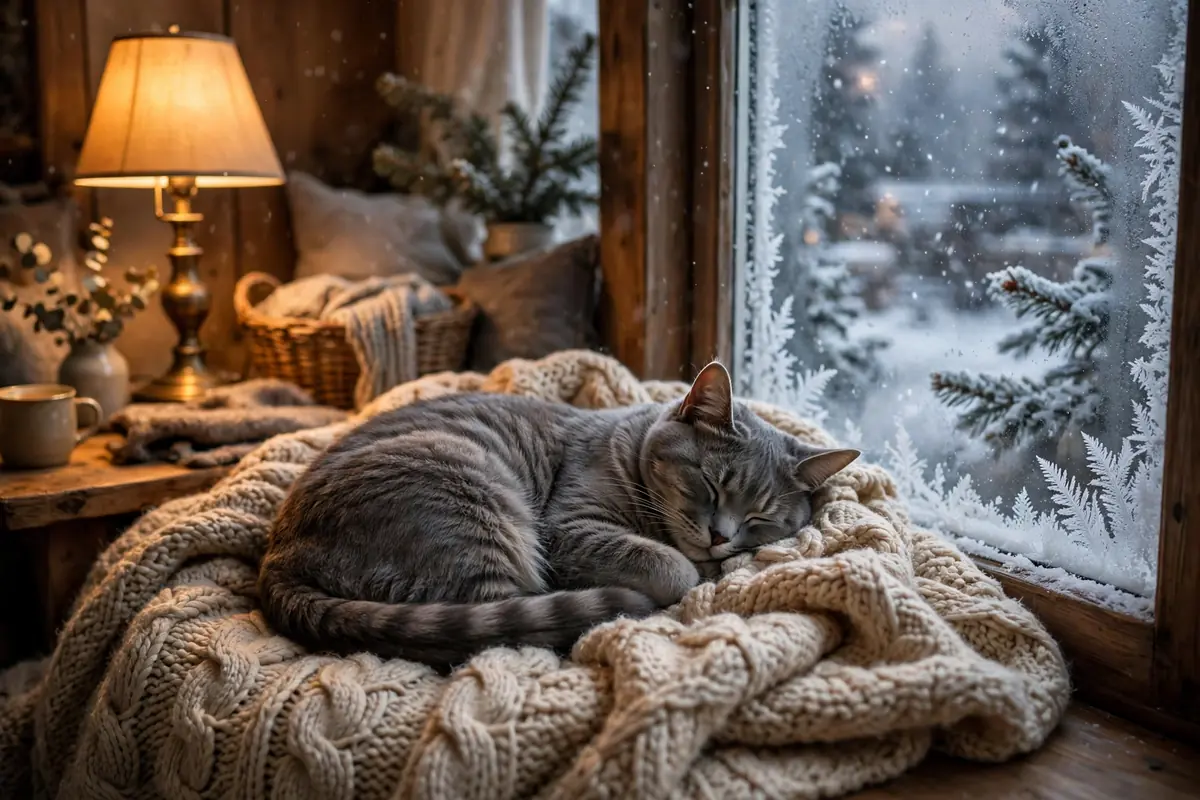
Yes, cats get cold in winter — despite their fur coats. The fastest way to keep your cat warm is to give them cozy sleeping spots away from drafts, keep the house at a comfortable temperature, and limit their time in genuinely cold spaces. Kittens, senior cats, and short-haired breeds feel the chill first, so they need extra attention when temperatures drop.
A cat's thick coat has limits: when indoor temperatures dip or an outdoor cat faces wind and damp, your cat can become uncomfortable — and in serious cold, unwell. These 10 tips cover bedding, heating, food, outdoor safety, and the signs your cat is too cold.
Do Cats Really Feel the Cold?
They do. Maintaining a body temperature around 100.5–102.5°F costs energy, and cold air raises that bill. Below about 60°F (15°C), most cats migrate to sunny spots, radiators, and your lap — your cat telling you the house feels chilly.
Some cats are more cold-sensitive than others. Senior cats, kittens, hairless breeds like the Sphynx, and cats with thin coats lose heat faster and recover from chills more slowly. Outdoor cats face the hardest conditions — wind, rain, and wet fur strip away insulation fast.
1. Create Warm, Draft-Free Sleeping Spots
Cats spend up to 16 hours a day sleeping, and where they sleep matters most in winter. Move beds away from drafty windows, exterior doors, and cold floors. Elevated spots are naturally warmer, since heat rises and floors are the coldest surface in any room.
A covered bed, igloo cave, or blanket-lined cardboard box gives your cat a den that traps body heat.
2. Keep the Thermostat Cat-Friendly
If you turn the heat down when you leave for work, do not turn it off entirely. A thermostat setting in the mid-to-high 60s°F (around 18–20°C) keeps a home comfortable for most cats; low 60s°F (around 16°C) is the sensible minimum in freezing weather, especially with kittens or seniors in the house. A programmable thermostat can warm the house before you get home rather than leaving it cold all day.
Watch for cold rooms: spare bedrooms with closed doors, basements, and rooms over garages can be far colder than the rest of the house.
3. Use Heated Beds and Pads — Safely
Heated pet beds and microwaveable warming pads are winter favorites for a reason: cats love them, and they are far more efficient than heating a whole room. Choose products made specifically for pets with low, pet-safe wattage and chew-resistant cords. Self-warming beds with reflective thermal layers need no electricity at all and work well for nervous chewers.
Never use human heating pads or electric blankets for cats — they run too hot and can cause burns, since cats will happily lie on a dangerously hot surface without moving. Always let your cat move off the heated spot, and unplug electric products when you're away.
4. Adjust Food and Water for Cold Weather
Outdoor cats burn noticeably more calories staying warm in winter and may genuinely need extra food. If your outdoor cat holds weight on normal portions, no change is needed; if they're slimming down, increase meals gradually. Indoor cats that spend winter mostly napping usually need no extra food at all — overfeeding a couch-season cat just adds winter weight.
Water matters too. Some cats drink less in winter, yet dry heated air makes hydration more important. Keep bowls away from cold windows where water chills fast, and consider a pet water fountain — moving water stays appealing and is less likely to freeze in a chilly room.
5. Protect Paws, Ears, and Tails Outdoors
Winter ground is rough on paws: ice, rock salt, and de-icing chemicals can dry, crack, and irritate paw pads, and cats ingest whatever they lick off their feet. Wipe your cat's paws with a damp cloth after outdoor time, and check pads for cracks or redness. Pet-safe ice melt on your own walkways removes the problem at the source.
Ears and tail tips are the most frostbite-prone areas on a cat's body. If the weather is severe — well below freezing, windy, or icy — keep outdoor time short. For more on the trade-offs of outdoor access in harsh conditions, read our indoor vs outdoor cats guide.
6. Give Indoor Cats Winter Enrichment
Short days and closed windows make winter boring for indoor cats, and boredom leads to overeating, scratching furniture, and 3 a.m. zoomies. Rotate toys weekly, schedule two short play sessions a day, and set up a window perch with a bird feeder outside — a dull afternoon becomes prime entertainment.
Puzzle feeders slow down eating and engage the hunting brain. A paper bag, a cardboard box with holes cut in it, or a crumpled-paper treasure hunt costs nothing and buys you a happily tired cat.
7. Watch the Holiday Hazards
Winter brings a parade of cat hazards into the home. Tinsel and ribbon can cause dangerous intestinal blockages if swallowed. Poinsettias, lilies, and many holiday plants are toxic to cats — lilies in particular can cause kidney failure even in tiny amounts. Keep candles and fireplaces screened, and secure the Christmas tree against climbers.
Antifreeze is the deadliest winter hazard of all: it tastes sweet to cats and even a small amount can be fatal. Clean up any spills in garages and driveways immediately, and store containers where cats cannot reach them. If you ever suspect antifreeze ingestion, treat it as an emergency and get to a vet at once.
8. Keep Up Grooming Through Shedding Season
Cats grow a denser winter coat, which means more loose fur and a higher risk of hairballs and matting — especially in long-haired breeds. Brush long-haired cats several times a week and short-haired cats weekly to remove dead undercoat. Brushing also spreads natural skin oils, which helps the coat insulate better.
Dry heated air can also dry out skin, causing dandruff and itching. If your cat's coat looks dull or flaky, more frequent brushing plus adequate water intake usually helps. Persistent skin problems deserve a vet check rather than guesswork.
9. Consider a Sweater for Cold-Sensitive Cats
Most cats with normal coats never need clothing, and many find it stressful. But hairless breeds, very short-haired cats, kittens, and frail seniors in a chilly house can genuinely benefit from a soft, well-fitting sweater. Choose stretchy, breathable fabric with no dangling parts, and check your cat can walk, jump, and use the litter box in it.
Introduce the sweater gradually with treats, keep initial sessions short, and never leave a dressed cat unsupervised — snags happen. If your cat freezes, flops over, or panics in clothing, skip the sweater and warm their environment instead.
10. Know the Signs Your Cat Is Too Cold
A cold cat curls into a tight ball with paws tucked and tail around the nose, seeks heat obsessively, or shivers. Cold ears and paw pads are easy to check with the back of your hand. Lethargy and weakness in a cold environment are more serious — they can indicate hypothermia, which needs veterinary care, not just a blanket.
For neighborhood strays, a simple insulated shelter — a plastic tote lined with straw (not blankets, which hold moisture) with a small entrance hole — can be lifesaving on freezing nights.
Frequently Asked Questions
Do cats get cold in winter?
Yes. Most cats start feeling chilly below about 60°F (15°C). Kittens, senior cats, and short-haired or hairless breeds feel the cold sooner and more strongly than healthy adults with thick coats.
Is it safe to leave my cat alone in a cold house?
For short periods in an insulated home, healthy adult cats are fine. But don't turn the heat off entirely in freezing weather — keep the thermostat at least in the low 60s°F (around 16°C), provide warm bedding away from drafts, and make sure water can't freeze.
Should my cat wear a sweater in winter?
It depends. Hairless breeds, very short-haired cats, seniors, and kittens often benefit from a soft sweater in a cold house. Most healthy cats with normal coats don't need one and may find clothing stressful. It should fit snugly without restricting movement, and never stay on unsupervised.
Can cats get frostbite or hypothermia?
Yes, especially outdoor cats in severe cold. Ears, tail tips, and paw pads are most vulnerable. Signs include pale or grayish skin that later reddens and swells, plus shivering or lethargy for hypothermia. Both need veterinary attention — warm the cat gradually and call your vet.
Do cats need more food in winter?
Outdoor cats burn extra calories staying warm and may need slightly larger portions. Indoor cats that sleep more in winter usually don't. Watch body condition rather than the calendar, and ask your vet before changing portions.