Best Cat Food for Kittens in 2026: 10 Top Picks
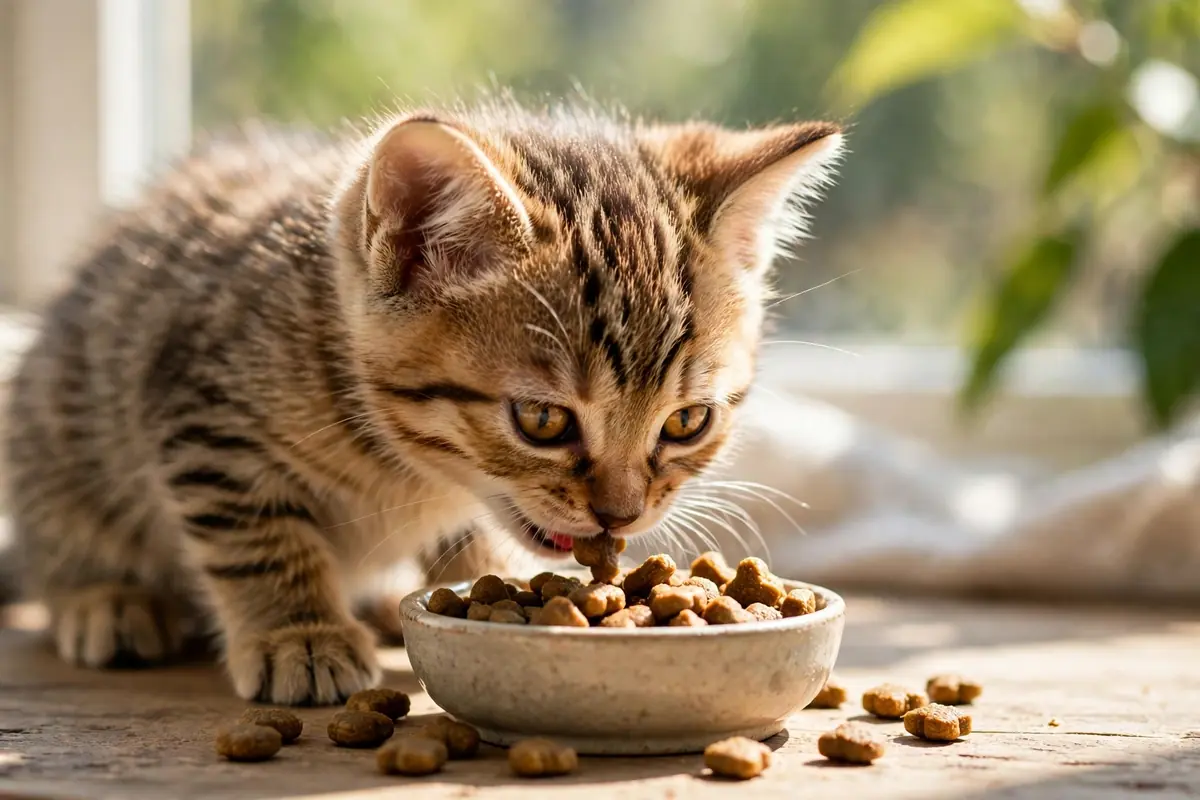
A kitten's first year is a period of explosive growth — bones, brain, eyes, and immune system all developing at once. That is why kittens cannot just eat the same food as adult cats: they need more protein, more fat, more calories, and key nutrients like DHA for brain and eye development. Choosing the right kitten food in 2026 means knowing what to look for on the label, understanding wet versus dry, and matching the food to your kitten's age and appetite.
Below are 10 top kitten food picks by category — best wet, best dry, best budget, best grain-free, and more — using well-known brands as examples of what "good" looks like on the shelf.
What to Look for in a Kitten Food
Before the picks, here is the quick label-reading checklist. Any kitten food worth your money should tick all of these boxes:
- AAFCO nutritional adequacy statement. Look for wording like "formulated to meet the nutritional levels established by the AAFCO Cat Food Nutrient Profiles for growth" — or for "all life stages." This is the single most important line on the bag or can.
- Named animal protein first. The first ingredient should be something like chicken, turkey, salmon, or beef — not "meat by-products" or vague "animal meal."
- High protein and fat. AAFCO minimums for growth are 30% protein and 9% fat on a dry matter basis. Most quality kitten foods go well beyond this. More protein is generally better for growing kittens.
- DHA. This omega-3 fatty acid supports brain and vision development. Many kitten formulas include fish oil or other DHA sources — it is a good sign when they do.
- Balanced calcium and phosphorus for growing bones — AAFCO-compliant kitten foods handle the ratios for you.
- Right texture for the age. Very young kittens do best with soft pâté or mousse; older kittens can handle chunks, shreds, and small kibble.
If a food checks these boxes and your kitten eats it eagerly with firm stools, steady weight gain, and good energy — that is your winner. For more on feline nutrition basics, browse our Cat Food guides.
Wet vs Dry Kitten Food: Which Should You Choose?
Many vets recommend feeding both. Wet food is about 75–80% water, which helps hydration — important since cats have a low thirst drive — and its strong aroma appeals to picky kittens. Dry food is convenient and affordable, but low in moisture, so always keep fresh water available. A practical middle ground: scheduled wet meals plus a measured amount of dry kibble. For a deeper comparison, see our article on wet vs dry cat food.
The 10 Top Kitten Food Picks for 2026
The brands mentioned are widely available examples of each category — use them as reference points rather than a ranked leaderboard.
1. Best Wet Kitten Food (Pâté Style)
Smooth pâté is the easiest texture for young kittens, and wet food brings needed hydration. Look for a growth-formula pâté with a named meat first and added DHA — examples include Purina Pro Plan Kitten and Hill's Science Diet Kitten wet formulas. Serve at room temperature for the best aroma.
2. Best Dry Kitten Kibble
A good kitten kibble has small, easy-to-chew pieces and at least 35% protein on a dry matter basis. Examples include Royal Canin Kitten and Purina Pro Plan Kitten dry. Kibble suits busy schedules and grazing between wet meals — just measure portions rather than keeping the bowl constantly full.
3. Best Budget Kitten Food
You do not need to spend a fortune to feed a kitten well. Many affordable brands carry growth formulas with an AAFCO statement and named-meat first ingredients — Purina Friskies and Purina Kitten Chow are common examples. Compare the guaranteed analysis panel against the checklist above; the label decides, not the price.
4. Best Grain-Free Kitten Food
Some kittens do better without grains, and grain-free formulas replace them with ingredients like peas or potatoes. Examples include Wellness CORE Kitten and Blue Buffalo Wilderness Kitten. Grain-free is not automatically healthier — protein quality and the AAFCO statement matter more.
5. Best Kitten Food for Sensitive Stomachs
Kittens with soft stools or frequent vomiting may need a gentle, easily digestible formula with limited ingredients. Examples include Hill's Science Diet Sensitive Stomach Kitten and Royal Canin Digestive Care lines. Transition slowly, and see your vet if problems persist.
6. Best High-Protein Kitten Food
Fast-growing kittens can benefit from protein at 40% or more on a dry matter basis. Examples include Orijen Cat & Kitten and Tiki Cat Baby formulas. These are calorie-dense, so follow feeding guidelines carefully to avoid overfeeding.
7. Best Natural / Minimally Processed Kitten Food
If you prefer shorter ingredient lists without artificial colors, flavors, or preservatives, look for natural growth formulas — examples include Wellness Complete Health Kitten and Castor & Pollux Organix Kitten. "Natural" still needs the AAFCO growth statement on the back of the pack.
8. Best Kitten Food for Picky Eaters
Variety packs with different proteins (chicken, turkey, salmon) help you discover a fussy kitten's preferences — examples include Fancy Feast Kitten and Sheba Kitten variety packs. Warming wet food slightly releases aroma and can win over a picky eater.
9. Best Kitten Food for Multi-Cat Homes
When kittens share a home with adult cats, an "all life stages" formula keeps everyone on one food without anyone missing nutrients. Examples include Diamond Naturals and Taste of the Wild all-life-stages formulas. It simplifies feeding and ends the mealtime food-stealing shuffle.
10. Best Kitten Food for Weaning (Under 8 Weeks)
Very young kittens transitioning from milk need ultra-soft mousse or gruel. Examples include Royal Canin Mother & Babycat — made for the first stage of growth — or any smooth pâté thinned with warm water or kitten milk replacer. Offer small amounts frequently, and never give cow's milk.
How Much and How Often to Feed Your Kitten
Kittens burn through calories fast. A common schedule is three to four meals a day until about six months old, then two to three meals a day until the first birthday. Start with the feeding guidelines printed on the food package and adjust to keep your kitten lean but growing steadily.
Steady weight gain, a visible waist from above, and ribs you can feel but not see are signs the portions are right — your veterinarian can confirm the ideal growth curve at checkups. Fresh water should always be available, and avoid free-feeding unlimited dry food past six months.
Switching Foods and Moving to Adult Food
Whenever you change foods — between kitten formulas or from kitten to adult food — transition gradually over seven to ten days. Mix a little of the new food into the old, increasing the ratio each day. A sudden switch is the top cause of the dreaded new-food diarrhea.
Most kittens are ready for adult food around 12 months of age. Larger breeds like Maine Coons mature more slowly and may stay on kitten food longer — your vet can advise. Choose an adult formula that fits your cat's lifestyle (indoor, active, weight management).
Bringing home a new kitten involves more than food — our new kitten checklist covers everything you need before day one.
Frequently Asked Questions
What is the best type of food for a kitten: wet or dry?
A mix of both is usually ideal. Wet food adds hydration and is often easier for kittens to eat, while dry food is convenient and helps keep the routine simple. Either way, choose a formula labeled for growth or all life stages with an AAFCO nutritional adequacy statement.
How much should I feed my kitten each day?
Kittens have big appetites for their size — most need three to four meals a day until about six months old, then two to three meals. Start with the feeding guidelines on the food label, then adjust based on body condition and your veterinarian's advice.
What should I look for on a kitten food label?
Look for an AAFCO statement confirming the food is formulated for growth, a named animal protein as the first ingredient, at least 30% protein and 9% fat on a dry matter basis, plus DHA for brain and eye development. Avoid foods with vague ingredients like meat by-products as the main protein.
When should I switch my kitten to adult cat food?
Most kittens transition to adult food around 12 months of age. Larger breeds that mature more slowly may stay on kitten food longer — ask your veterinarian. Switch gradually over seven to ten days to avoid digestive upset.
Can kittens eat adult cat food?
For an occasional meal it will not cause harm, but adult food does not meet a kitten's higher needs for protein, fat, calories, and DHA during rapid growth. Kittens should eat food formulated for growth or all life stages as their main diet.