Best Wet Cat Food in 2026: 10 Picks
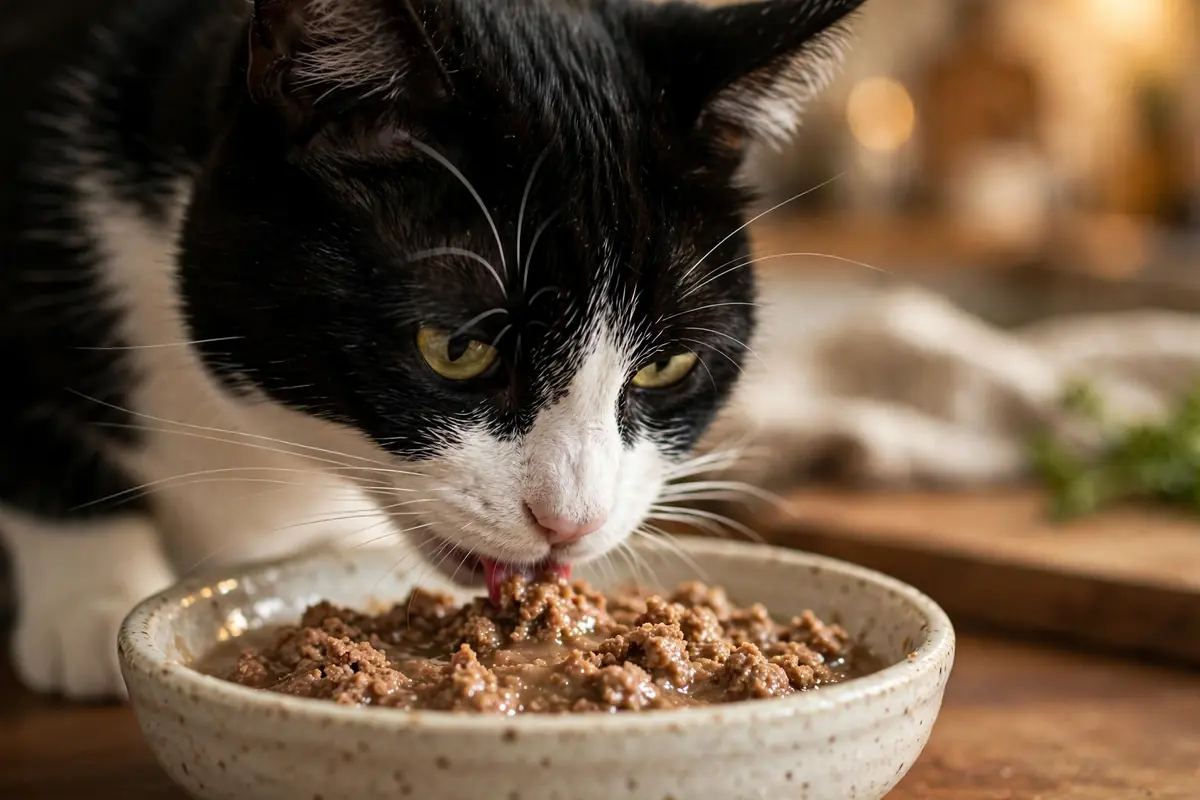
Ask ten cat owners what the best wet cat food is and you will get ten different answers — usually whatever their own cat happens to be eating that week. Here is the honest truth: there is no single "best" wet cat food. The right choice depends on your cat's age, health, activity level, and even how fussy they are at 6 a.m. What does matter is knowing how to choose well — a named animal protein first on the ingredients list, plenty of moisture, and a "complete and balanced" statement meeting AAFCO standards. Get those three things right and you are already ahead of most shoppers.
Rather than ranking brands (which change formulas all the time), this guide walks you through 10 wet-food formats — from pâté to broth toppers — so you can match the format to your cat. You will also learn how to read a label, how much to feed, whether you can mix wet and dry, and how to convert a die-hard kibble fan.
Why Wet Food Matters for Cats
Cats evolved as desert animals, which means they have a naturally low thirst drive. In the wild, they got most of their water from prey. Wet food carries that same logic into the bowl: it is roughly 70–80% water, compared to about 10% in dry kibble. For a cat that barely visits the water bowl, that difference adds up over a lifetime.
Extra moisture supports urinary tract health, which matters because male cats in particular are prone to urinary blockages and crystals. Well-hydrated cats tend to produce more dilute urine, and dilute urine is friendlier to the bladder. Wet food is not magic — it will not fix a medical condition on its own — but it is one of the simplest dietary upgrades a cat owner can make. It also tends to be more aromatic, which helps senior cats or poor eaters who have lost some sense of smell.
Wet food does not replace fresh water, though — always keep clean water available.
What to Look for on the Label (AAFCO, Named Proteins, Moisture)
The pet food aisle is loud with marketing. Tune it out and check these four things instead:
- A named animal protein first. Look for "chicken," "turkey," "salmon," or "beef" as the first ingredient. Vague terms like "meat and animal derivatives" or "poultry by-products" as the lead ingredient are legal but tell you very little about what is actually inside.
- "Complete and balanced" for a life stage. This phrase means the food meets AAFCO nutrient profiles for growth (kittens), maintenance (adults), or all life stages — by formulation or feeding trials. A complete food can be your cat's sole diet. Anything labeled "for supplemental feeding only" is a topper or treat, not a full meal.
- Moisture content. Most wet foods list 75–82% moisture on the guaranteed analysis. That is normal and desirable — it is the whole point of wet food.
- Protein and fat levels that fit your cat. Cats are obligate carnivores, so protein should be the headline nutrient. Compare the guaranteed analysis across options, keeping in mind that kittens and active cats generally need more calories than couch-loving seniors.
Two label myths worth dropping: "grain-free" is not automatically healthier — there is no solid evidence that grains harm healthy cats, and the claim is mostly marketing. And a long ingredient list is not automatically bad; what matters is whether the nutrients add up to a complete, balanced diet from a manufacturer you trust.
10 Wet Food Formats to Consider
Texture is a bigger deal to cats than most owners realize. Many "picky" cats are not picky about flavor at all — they are picky about texture. Here are the ten main wet-food formats, and who each suits best:
- Classic pâté. A smooth, uniform loaf that is easy to eat and easy to portion. Great all-rounders, good value per ounce, and ideal for kittens, seniors, and cats with dental issues who struggle to chew.
- Shredded or ground. Visible strands or minced pieces of meat in light sauce. Cats that love the mouthfeel of real meat often go for these first — a good step up from pâté for texture fans.
- Flaked. Light, delicate flakes in broth or juice. Gentle on the stomach and popular with older cats or those recovering from illness who need something easy to lap up.
- Chunks in gravy. One of the most popular formats — meaty bites in savory gravy. Watch out for "gravy lickers": cats that lap the sauce and abandon the chunks can miss out on protein, in which case another format is a better fit.
- Broth-based. Very high moisture with tender pieces in savory broth — excellent for poor drinkers. Many are labeled for supplemental feeding, so check the label before making them the whole diet.
- Single-protein / limited-ingredient. Built around one named protein with a short ingredient list. Useful for cats with suspected sensitivities — and exactly what vets use during an elimination diet trial.
- Kitten wet food. Formulated for growth with higher protein, fat, and calories per bite, plus nutrients like DHA for brain and eye development. Feed a food labeled for growth or all life stages until your kitten is about 12 months old.
- Senior wet food. Softer textures and adjusted nutrition — often moderated phosphorus and easy-to-digest protein — for cats aged 11 and up. If your senior has kidney disease or another condition, ask your vet about a prescription diet instead.
- Grain-free formats. Made without corn, wheat, rice, or barley. Fine for cats that do well on them, but not inherently superior — judge the food on its protein quality and completeness, not on the absence of grains.
- Raw and freeze-dried raw formats. Minimally processed, prey-style diets. Handle like raw meat: refrigerate promptly, wash bowls and hands, and talk to your vet first — raw diets carry a real risk of bacterial contamination.
Buy small cans or pouches of two or three formats, run a taste test over a week, and let your cat vote — the "best" food is the nutritious one your cat actually eats.
How Much Wet Food Does My Cat Need?
Start with the feeding guide printed on the label, then adjust to your individual cat. As a rough baseline, an average 10-pound (4.5 kg) adult cat needs around 200–250 calories per day — but kittens, active cats, and large breeds need more, while indoor couch potatoes often need less.
Calorie content varies a lot: a typical 3-ounce can holds 70–100 calories, while a 5.5-ounce can holds about 150–200. The most reliable method is to weigh your cat monthly and adjust portions so their weight stays steady. If you are unsure what your cat's ideal weight is, your vet can assess body condition at the next visit. Our Cat Food guides cover portioning in more detail across life stages.
Wet vs Dry: Can You Feed Both?
Absolutely — mixed feeding is one of the most practical approaches. Wet food brings hydration and aroma; dry food brings convenience, cost savings, and a little teeth-scraping action. Many owners feed wet food morning and evening with a measured portion of kibble available during the day.
The key word is measured. It is easy to accidentally double-feed when combining formats, so add up the calories from both and keep the daily total in line with your cat's needs. If you want a deeper comparison of the two, read our full breakdown of wet vs dry cat food — and for general feeding know-how, the Purrfect Paws homepage links every guide in one place.
Transitioning Your Cat to Wet Food
Cats are creatures of habit, and a cat raised on kibble may eye a bowl of pâté like it is a personal insult. Do not give up after one sniff — and do not try a cold-turkey switch either. Move gradually over 7–10 days:
- Days 1–3: Mix about 25% wet food into the usual dry food (or offer wet food as a small separate meal alongside the normal portion).
- Days 4–6: Move to roughly half and half.
- Days 7–10: Shift to mostly or all wet food, adjusting total calories so you are not overfeeding during the overlap.
- Warm it slightly. Room-temperature or lightly warmed food smells stronger and more appealing — a few seconds in the microwave (stirred well, never served hot) can convert a skeptic.
- Try different textures. A cat that rejects pâté may love shredded; a gravy-licker may prefer broth. Texture variety is your best tool.
One safety rule: never let a cat go more than 24 hours without eating. Cats that stop eating abruptly — especially overweight cats — can develop a dangerous liver condition called hepatic lipidosis. If your cat stages a hunger strike, slow the transition down or go back a step rather than waiting them out.
Frequently Asked Questions
Is wet food better than dry food for cats?
Neither is automatically better — it depends on the individual food and the cat. Wet food's main advantage is moisture (around 70-80% water), which helps hydration and urinary health. A high-quality dry food with a named protein first can also be part of a healthy diet. Many vets are happy with a mix of both.
How much wet food should I feed my cat per day?
An average 10-pound adult cat needs roughly 200-250 calories per day, but this varies with age, activity, and metabolism. A typical 3-ounce can contains 70-100 calories and a 5.5-ounce can 150-200. Start with the label's feeding guide, then adjust so your cat keeps a healthy weight.
What does "complete and balanced" mean on a cat food label?
It means the food meets AAFCO nutrient profiles for a stated life stage (growth, maintenance, or all life stages), either by formulation or feeding trials. A "complete and balanced" food can be fed as the sole diet. Foods labeled "for supplemental feeding only" are toppers or treats and are not nutritionally complete on their own.
Can I feed my cat only wet food?
Yes — as long as the wet food is labeled "complete and balanced" for your cat's life stage. Many cats do very well on an all-wet diet. Just watch dental health, since wet food doesn't provide the mild teeth-scraping action of kibble, and keep up with your vet's dental checks.
Why does my cat only lick the gravy and leave the chunks?
Some cats simply prefer the texture of gravy or broth over solid chunks. If your cat consistently does this, try pâté, shredded, or broth-based formats instead of chunks in gravy. Gravy-lickers can also miss out on the protein in the chunks, so switching formats often solves the problem.