Best Cat Food for Senior Cats in 2026: 8 Vet-Approved Picks
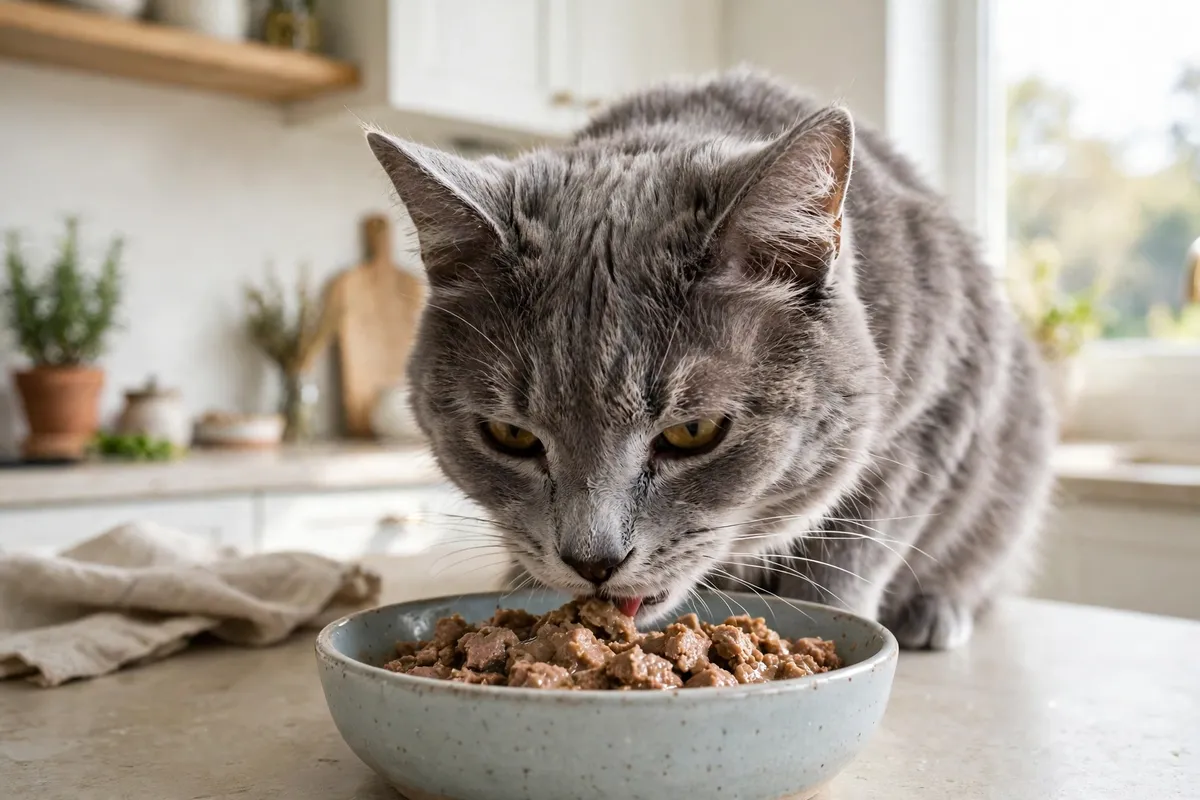
Yes — and choosing the right food is one of the simplest ways to support an aging cat. The best cat food for senior cats in 2026 is a complete, balanced recipe made for cats aged 11 and older, with high-quality animal protein, plenty of moisture, controlled calories, and support for joints, digestion, and weight. Below you will find eight vet-approved types of senior cat food to consider, what to look for on the label, and how to switch foods without upsetting your cat's stomach.
A quick note before we start: every senior cat is different. A healthy, active 12-year-old and a 16-year-old with kidney disease do not need the same food. The picks below are described as food types and categories, not specific brands, because the right choice depends on your cat's weight, health, and your veterinarian's advice — especially if kidney or thyroid problems are involved. Use this guide to narrow your options, then confirm the final choice with your vet.
How a Senior Cat's Needs Change
Cats are generally considered seniors from around age 11, and geriatric from around 15. As they age, their metabolism slows, muscle mass gradually declines, and their joints, kidneys, and digestion may not work as efficiently as they once did. Some senior cats gain weight because they move less, while others lose weight because they absorb nutrients less well or because of dental pain or an underlying illness.
That is why senior food is not just adult food in a different bag. A good senior recipe is designed around these changes: enough protein to help maintain muscle, moderate fat and calories to prevent weight gain without starving a cat that is already thin, and added support for joints and digestion. It should also be easy to eat — softer textures help cats with worn or missing teeth — and palatable enough to tempt a cat whose appetite has faded.
Weight change is one of the most important things to watch. Gradual weight loss in an older cat is not just "getting old" — it can be an early sign of kidney disease, thyroid problems, dental disease, or diabetes. Weigh your senior cat regularly, even at home on bathroom scales by holding them, and mention any steady loss or gain to your veterinarian.
What to Look for in Senior Cat Food
Start with protein. Older cats actually need plenty of high-quality, easily digestible animal protein to slow muscle loss — a common myth says senior cats should eat low-protein food, but for a healthy senior that can do more harm than good. The exception is cats with diagnosed kidney disease, where your vet may recommend a diet with controlled protein and phosphorus levels, which is a medical decision, not a general rule.
Moisture matters just as much. Many senior cats do not drink enough water, and chronic low-level dehydration can strain the kidneys. Wet food, or a mix of wet and dry, naturally boosts fluid intake and is often easier for older cats to eat. If your cat strongly prefers dry food, make sure fresh water is always available and consider a cat water fountain, which many cats find more inviting than a still bowl.
Look for a food labeled complete and balanced for adult or senior cats, with named meat as the first ingredient, moderate fat, and added fiber for digestion and hairball control. Joint-supporting ingredients such as glucosamine and omega-3 fatty acids can help stiff cats move more comfortably, and antioxidants such as vitamin E support the immune system. Avoid foods overloaded with fillers, and be wary of senior foods that simply cut protein to cut calories — your cat needs the protein, and calories are better controlled through portion size.
8 Vet-Approved Senior Cat Food Picks for 2026
1. Senior wet food (pate or minced). A soft, high-moisture senior wet food is the best starting point for most older cats. It is easy to chew, supports hydration, and tends to be highly palatable, which helps cats whose appetite has faded. Look for a senior-labeled wet food with meat as the first ingredient.
2. High-protein senior wet food. For seniors that are losing muscle or looking a little thin, a wet food with a higher proportion of animal protein helps maintain lean body mass. This is the pick to discuss with your vet if your cat's weight has been drifting downward.
3. Senior dry food with joint support. If your cat prefers kibble, a senior dry food with added glucosamine and omega-3s gives them crunch plus joint support. Choose a smaller kibble size if your cat has dental problems, and always pair dry food with plenty of fresh water.
4. Weight-management senior food. For the senior who has become a little round since retiring from midnight zoomies, a senior weight-management recipe offers controlled calories with enough protein and fiber to keep them feeling full. Measure portions with a scale rather than guessing — a few extra grams a day add up fast in a small cat.
5. Sensitive-stomach senior food. Older cats with intermittent vomiting, soft stools, or a fussy appetite often do better on a gentle, easily digestible senior recipe with limited ingredients and added prebiotics or fiber. If digestive symptoms are frequent, though, they deserve a vet visit rather than just a food change.
6. High-moisture shredded or gravy senior food. Some seniors refuse pate but will happily eat shredded meat in gravy. Texture preference is real in older cats, and a high-moisture shredded food can be the difference between a cat that eats well and one that picks at dinner.
7. Vet-guided kidney-support food. For cats diagnosed with kidney disease, your veterinarian may recommend a therapeutic kidney-support diet with controlled phosphorus and moderate, high-quality protein. This is not a food to choose on your own — the right level of restriction depends on blood test results, and the wrong choice can cause weight loss.
8. Budget-friendly complete senior food. Senior nutrition does not have to be expensive. A store-brand or mid-priced senior food that is labeled complete and balanced, with meat first and sensible calorie levels, can serve a healthy senior very well. Price is not a reliable guide to quality — the label and your cat's condition are.
How to Switch Your Senior Cat to a New Food
Cats, especially older ones, dislike sudden change, and a fast switch often ends in vomiting, diarrhea, or a food strike. Transition over seven to ten days: start with about a quarter new food mixed with three quarters of the old, then move to half and half, then three quarters new, then fully new. If your cat refuses the mix, slow down — add the new food even more gradually, or try warming wet food slightly to release its aroma.
During the switch, watch the litter box and your cat's appetite. Mild soft stools for a day or two can happen, but persistent vomiting, diarrhea, or a complete refusal to eat for more than 24 hours should prompt a call to your vet. Never let a cat, especially an overweight one, go without eating for days in an attempt to force a switch — that can trigger a serious liver condition called hepatic lipidosis.
Feeding Amounts, Weight, and Mealtimes
Follow the feeding guide on the bag or tin as a starting point only, then adjust to your cat's actual body condition. You should be able to feel your cat's ribs with light pressure but not see them prominently, and they should have a visible waist when viewed from above. Senior cats often do better with two or three smaller meals a day rather than one large one, which is easier on digestion and helps steady their energy.
Keep treats to a small share of daily calories, and skip the table scraps — older digestive systems handle rich human food poorly. If your senior cat begs constantly, it may be hunger, boredom, or a medical issue such as thyroid disease, so mention it at their next check-up rather than simply feeding more.
Kidney, Thyroid, and Other Health Conditions
This is the part where general advice must stop and your veterinarian must take over. Kidney disease is common in older cats and often calls for a diet with controlled phosphorus and adjusted protein, while hyperthyroidism — an overactive thyroid — can cause weight loss despite a ravenous appetite and needs medical treatment, not just a food change. Diabetes, dental disease, and arthritis can also change what your cat should eat and how they eat it.
If your senior cat is losing weight, drinking much more water, urinating more often, vomiting regularly, or eating far more or far less than usual, book a vet visit and blood tests before changing their diet. A senior wellness check every six months is a good habit, because many age-related conditions are far easier to manage when caught early.
Frequently Asked Questions
What is the best food for a senior cat?
A complete, balanced senior food with high-quality animal protein, plenty of moisture, and controlled calories is the best starting point for most cats aged 11 and older. The ideal choice depends on your cat's weight and health, so confirm it with your veterinarian.
Should senior cats eat wet or dry food?
Wet food is usually better for seniors because it boosts hydration and is easier to chew, but a mix of wet and dry works well for many cats. What matters most is that the food is complete and your cat eats it willingly.
Do senior cats need less protein?
Not usually. Healthy seniors need plenty of digestible animal protein to maintain muscle. Lower protein is only appropriate for specific medical conditions, such as kidney disease, and only on veterinary advice.
How often should I feed a senior cat?
Two or three smaller meals a day suit most senior cats better than one large meal. Adjust portions to your cat's body condition rather than following the packet guide blindly.
When should a senior cat see the vet about food?
Book a visit if your cat is steadily losing weight, drinking or urinating much more, vomiting regularly, or refusing food for more than a day. A senior wellness check every six months helps catch problems early.