Best Cat Food for Sensitive Stomachs (2026 Picks)
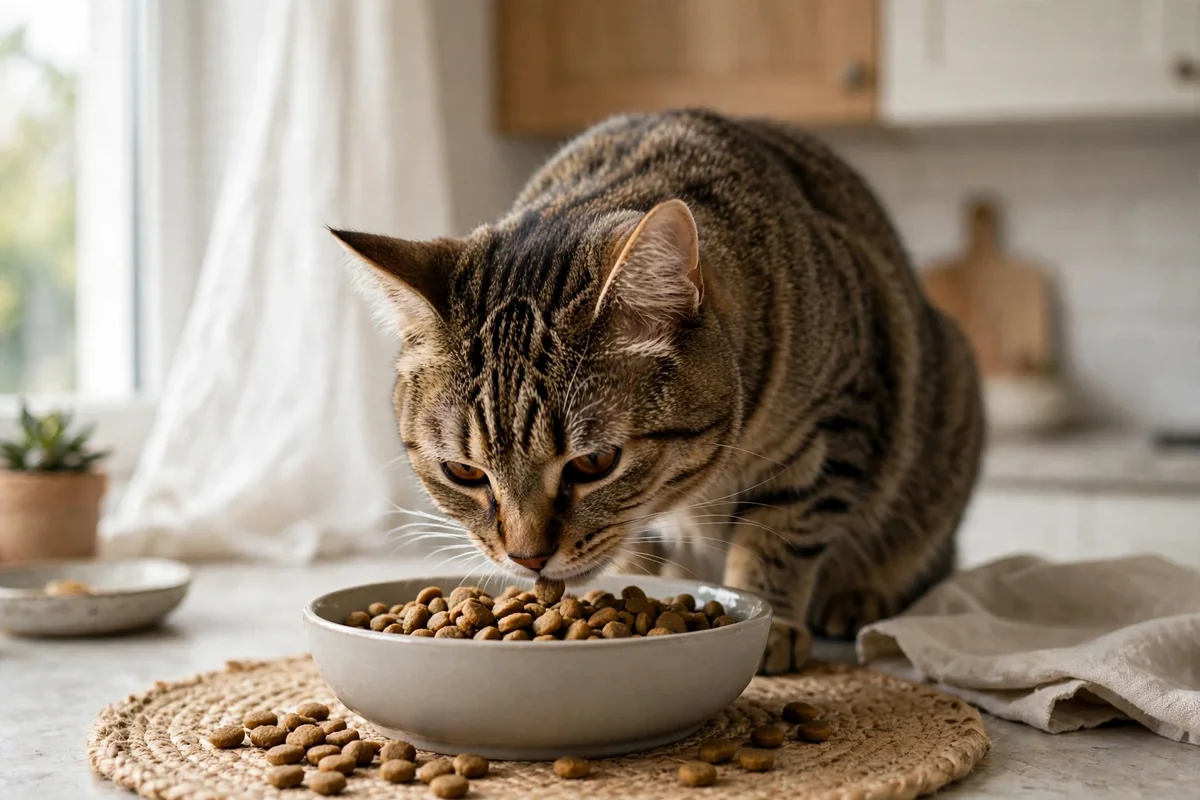
The best cat food for a sensitive stomach is usually a simple, highly digestible formula with a single animal protein, limited ingredients, and no unnecessary fillers — and the right one for your cat is the one that actually settles their stomach, which sometimes takes a careful trial or two to find. This guide explains what to look for on a label, the main formula types vets commonly recommend for sensitive cats, and how to switch foods without making the problem worse. Because every sensitive stomach has a different trigger, think of this as a choosing framework, not a one-size-fits-all ranking.
First, a note on what "sensitive stomach" usually means. Occasional vomiting after eating too fast, soft stools after a food change, or gassiness are common and often manageable with diet. Frequent vomiting, chronic diarrhea, weight loss, or blood in the stool are not just sensitivity — they need veterinary investigation for food allergies, parasites, inflammatory bowel disease, or other conditions. Diet helps enormously, but it should not be used to paper over a medical problem that needs diagnosis.
What to Look For on the Label
- A named animal protein first — chicken, turkey, salmon, or lamb, rather than vague "meat meal" or by-products. Single-protein formulas make it easier to identify a trigger.
- Limited ingredients. Shorter ingredient lists mean fewer potential irritants, and they make elimination trials much simpler.
- Highly digestible carbohydrates — rice and oats are usually gentler than corn, wheat, and soy for sensitive cats, though individual tolerance varies.
- Added probiotics or prebiotics, which support gut bacteria and can help firm up stools in some cats.
- Omega-3 fatty acids from fish oil, which support gut lining health and help with mild inflammation.
- A complete-and-balanced statement from a recognized nutritional authority, so the food covers all your cat's needs long-term.
- No artificial colors, flavors, or preservatives, which add nothing nutritionally and irritate some cats.
Do not be swayed by "grain-free" alone. Grain-free foods are not automatically gentler — some replace grains with legumes or potatoes that suit certain cats and not others. The question is never grain-free versus grain-inclusive in the abstract; it is whether this specific formula agrees with your specific cat.
Formula Types Vets Commonly Recommend
Limited-ingredient diets are the usual first step. They use one protein and one carbohydrate, which reduces the number of suspects if symptoms continue, and they are widely available in both wet and dry forms. Hydrolyzed protein diets go further: the protein is broken down into tiny pieces that the immune system is less likely to react to, which makes them valuable when a true food allergy is suspected. These are usually veterinary diets, and they work best under veterinary guidance with a strict trial period.
Wet food often suits sensitive stomachs better than dry, because it is easier to digest, adds hydration, and tends to be lower in carbohydrates. Many owners find that switching the sensitive cat to wet food, or a wet-dry mix, reduces vomiting and soft stools on its own. Novel protein diets — using a protein your cat has never eaten, such as rabbit, duck, or venison — are another option when common proteins seem to be the trigger, though they require discipline: no treats or table scraps with other proteins during the trial, or the test tells you nothing.
How to Switch Without a Setback
The fastest way to upset a sensitive stomach is to change its food overnight. Transition over 7 to 10 days: start with about 25 percent new food mixed into the old food, move to 50 percent after a few days, then 75 percent, then fully new food, slowing down or stepping back if stools loosen. Keep a simple diary during the switch — stool quality, vomiting, appetite, and energy — so you and your vet can judge honestly whether the new food is helping. A food trial needs at least 6 to 8 weeks of consistent feeding before you can fairly judge it, unless symptoms clearly worsen, in which case stop and call your vet.
During a trial, cut out extras: treats, dental chews, and table scraps can all hide the trigger you are trying to find. If you need treats, use tiny pieces of the same new food or a treat your vet approves as compatible with the trial. It feels strict, but a clean trial is the difference between finding the answer and guessing for months.
Other Habits That Calm a Sensitive Stomach
- Smaller, more frequent meals instead of one or two large ones, which reduces the load on the stomach at any one time.
- A slow-feeder bowl for cats who gulp food, since eating too fast is a common cause of vomiting that looks like food intolerance.
- Regular worming and flea control, since parasites are a frequent hidden cause of chronic soft stools.
- Stress reduction — sensitive stomachs and stress are closely linked in cats, so a calm feeding spot and predictable routine genuinely help.
- Hairball control through regular brushing, especially for long-haired cats, since hairballs cause vomiting that is often blamed on food.
If you have tried two careful food trials, kept a diary, and the symptoms persist, ask your vet about allergy testing, a hydrolyzed diet trial, or referral for gastrointestinal investigation. You have not failed — some sensitive stomachs need medical answers, not just better shopping. The best food for your cat is the one that keeps them comfortable, eating happily, and maintaining weight, and finding it is worth the patience.
Running a Proper Food Trial
A food trial only works if it is strict, and strictness is where most trials fail. For six to eight weeks, your cat should eat only the trial food — no treats from the packet, no dental chews, no licking another cat's bowl, and no table scraps, however small. Keep a daily diary rating stool firmness, vomiting, appetite, and energy, because memory smooths over the details that matter. If symptoms clearly worsen in the first week, stop and call your vet rather than pushing through. If symptoms improve slowly, resist changing anything else at the same time — a new litter, a new feeding spot, or a worming treatment during the trial muddies the result. At the end of the trial, reintroduce the old food for a week: if symptoms return, you have strong evidence the old diet was the problem, and your vet can help you choose a long-term food with confidence rather than guesswork.
Frequently Asked Questions
What is the best food for a cat with a sensitive stomach?
Usually a simple, highly digestible formula with a single named animal protein, limited ingredients, and no unnecessary fillers. The right one varies by cat, so a careful trial is often needed to find it.
Is wet food better than dry food for sensitive stomachs?
Often, yes. Wet food is easier to digest, adds hydration, and tends to be lower in carbohydrates. Many owners find a wet or wet-dry mix reduces vomiting and soft stools.
Is grain-free food better for sensitive cats?
Not automatically. Grain-free foods replace grains with other ingredients that may or may not suit your cat. Judge a food by whether your cat does well on it, not by the grain-free label alone.
How long should I try a new food before deciding it works?
At least 6 to 8 weeks of consistent feeding, unless symptoms clearly worsen. Keep a diary of stool quality, vomiting, and appetite so you can judge fairly.
When is a sensitive stomach actually a vet problem?
If vomiting or diarrhea is frequent, chronic, or comes with weight loss, blood in the stool, or lethargy, see your vet. Those signs need investigation for allergies, parasites, or bowel disease, not just a food change.