Best Cat Litter in 2026: 8 Options Compared
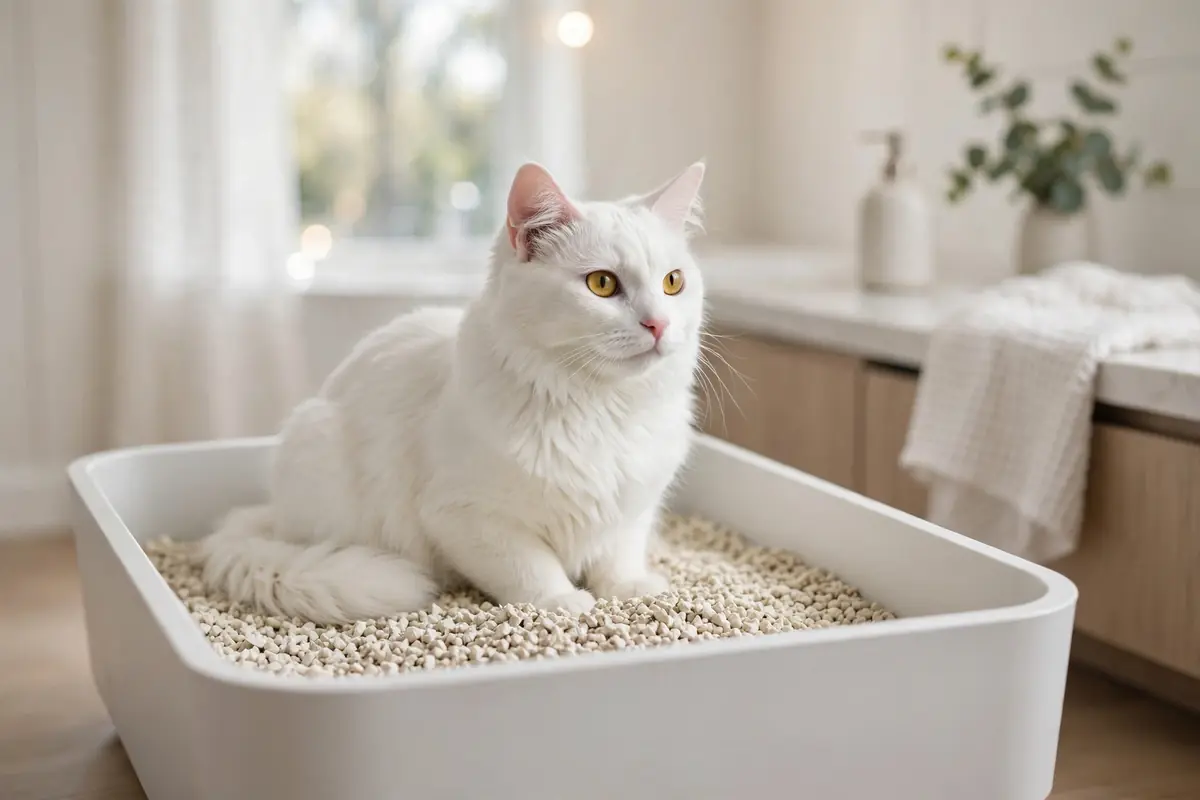
There is no single "best" cat litter — the right choice depends on your cat's habits, your home, and what you care about most. This guide compares the 8 main types of cat litter you will find on shelves in 2026: clumping clay, non-clumping clay, silica gel crystals, pine pellets, paper-based litter, corn/wheat-based litter, walnut-shell litter, and grass-seed litter. For each one, we lay out honest pros and cons covering odor control, dust, tracking, weight, price, eco-friendliness, and multi-cat suitability — so you can pick with confidence instead of guessing in the aisle.
One important note on how this comparison works: we compare litter types, not brands. Specific products come and go, but the underlying materials stay the same. Quality varies between manufacturers within every category, so treat this as a framework for understanding what you are buying — and remember that your cat's preference counts for a lot. A cat that refuses to use the box you chose has already cast the deciding vote. For more everyday care topics, browse our care guides collection.
What Makes a Good Cat Litter?
Before comparing types, it helps to know what you are really evaluating. A good litter balances seven things:
- Odor control — how well it neutralizes urine and feces smell between scooping.
- Dust — airborne particles matter if you or your cat has respiratory sensitivity.
- Tracking — how much litter ends up stuck to paws and scattered across your floor.
- Weight — a heavy litter is a workout to haul home and to dump on change day.
- Price — budget litters can cost a fraction of premium options per month.
- Eco-friendliness — renewable materials and biodegradability versus strip-mined clay.
- Multi-cat suitability — whether it holds up when two or three cats share the boxes.
Expect trade-offs everywhere. The cheapest litter is rarely the best at odor control; the most eco-friendly may track more; the lightest may be the dustiest. Your job is to pick the combination that fits your household — and the Purrfect Paws team is here to help you weigh those trade-offs honestly.
8 Cat Litter Types Compared
1. Clumping Clay (Sodium Bentonite)
The most popular litter in the US, and the default most cat owners start with. When it meets moisture, sodium bentonite clay forms hard, scoopable clumps.
Pros: excellent odor control (clumps seal urine away from air), easy daily scooping with minimal waste, affordable, and most cats accept its fine texture readily. Cons: heavy to carry and dispose of, produces noticeable dust (cheaper bags especially), clumps can stick to paws and get tracked around the house, and it is not biodegradable — clay is strip-mined, which is its biggest environmental drawback. Not recommended for very young kittens (see below).
2. Non-Clumping Clay
The original cat litter: plain absorbent clay (often made of montmorillonite or fuller's earth) that soaks up urine without forming clumps.
Pros: very cheap, low-dust relative to some clumping clays, and safe for kittens since nothing expands if swallowed. Cons: poor odor control — urine spreads through the whole box, so the entire contents must be dumped and replaced frequently, which actually makes it more labor-intensive than clumping litter. Heavy, not biodegradable, and a poor fit for multi-cat homes where odor builds fast.
3. Silica Gel Crystals
Tiny translucent crystals (the same material as those little "do not eat" packets) that absorb urine like microscopic sponges.
Pros: outstanding odor control with minimal scent, very low dust, lightweight, and long-lasting — a bag can go weeks for one cat with solid waste scooped daily. Cons: premium price, some cats dislike the crunchy texture under their paws, crystals track on hard floors, and the material is not biodegradable. Urine-soaked crystals change color, which is a visual reminder of when a change is due.
4. Pine / Wood Pellets
Compressed sawdust pellets that break down into sawdust when wet, giving off a fresh pine scent.
Pros: natural pine scent masks odors without added fragrance, very low dust, affordable, lightweight pellets are easy to pour, and the material is biodegradable and often made from lumber byproducts. Cons: pellets disintegrate into sawdust that needs sifting (a standard box gets messy without a sifting litter box), urine pools underneath if you do not scoop the sawdust regularly, and some cats dislike the large pellet texture. The pine scent can be strong in small rooms.
5. Paper-Based (Recycled)
Pellets or crumbles made from recycled newspaper and cardboard — the softest option on this list.
Pros: extremely low dust (great for allergy-prone cats and humans), soft texture suits post-surgery cats and kittens, inexpensive, biodegradable, and widely available. Cons: mediocre odor control — it does not neutralize urine smell well, so it needs changing more often; it also gets soggy and mushy between changes, and tracking of damp bits is common. Best as a temporary or special-needs choice rather than a long-term daily driver for most households.
6. Corn / Wheat-Based (Flushable)
Granules made from corn or wheat — often marketed as natural, flushable, and clumping.
Pros: clumps well (comparable to clay for scooping), biodegradable and renewable, low dust in many formulations, and light to carry. Cons: middling odor control compared to clay or silica, costs more than clay, can attract pantry pests if stored carelessly (it is, after all, food-grade grain), and the "flushable" label is controversial — most plumbers and vets recommend bagging it instead (see FAQ below).
7. Walnut-Shell-Based
Ground walnut shells — a dark, fine-grained litter marketed as a natural clumping alternative.
Pros: clumps reasonably well, darker color hides stains, good natural odor control, biodegradable and made from a crop byproduct. Cons: the dark color makes it harder to spot blood or unusual urine color (a genuinely useful health-monitoring drawback), fine particles track easily, dust levels vary by manufacturer, and it is usually pricier than clay. Also worth noting: keep it away from dogs, since walnuts are not dog-friendly.
8. Grass-Seed-Based
A newer category made from grass seeds (often annual ryegrass) that clump on contact with moisture.
Pros: forms tight, flushable-adjacent clumps, low dust, lightweight, biodegradable and renewable, with a soft texture most cats accept quickly. Cons: among the most expensive options per pound, availability can be spotty depending on where you shop, and like corn-based litter it is a grain product — store it sealed. Long-term track record is shorter than clay's, but early user feedback on odor control and clumping is generally positive.
Dust & Tracking: Which Types Win?
If respiratory sensitivity is your concern — yours or your cat's — the cleanest air comes from silica crystals and paper-based litters, with pine pellets close behind. Clay litters, especially budget clumping varieties, generate the most visible dust clouds when poured. Practical tip regardless of type: pour slowly from close to the box rather than dumping from height, and consider wearing a simple dust mask on change day.
Tracking is a different battle, and almost no litter wins it completely. Fine-grained litters (clay, walnut, grass seed) cling to paws and fur more than large pellets do — pine and paper pellets track the least simply because of their size. A litter mat outside the box catches a surprising amount of whatever your cat carries out, and trimming the fur between the toes of long-haired cats reduces tracking noticeably.
Which Litter for Multi-Cat Homes?
Multi-cat households amplify every litter weakness: odor builds faster, boxes fill faster, and territorial cats may reject a box another cat has heavily used. For two or more cats, prioritize strong odor control and hard clumping — clumping clay and silica crystals are the workhorses here. Silica's long lifespan is a real budget advantage when urine volume is high, though you will still need to scoop solids daily.
Just as important as the litter itself is the setup: the rule of thumb is one box per cat plus one extra, placed in different areas rather than lined up in a row. Even the best litter fails in an overcrowded, under-scooped box. If one cat starts avoiding the box, treat it as a household problem (box count, placement, cleanliness) before blaming the litter type.
Litter and Kittens: Special Caution
Kittens under about 8 weeks old explore the world with their mouths — including their litter. Clumping clay can expand in the digestive tract if swallowed, which is why veterinarians typically recommend non-clumping clay or paper-based litter for very young kittens. Once a kitten is reliably using the box without tasting it (usually by 8–10 weeks), you can transition to whatever the household uses.
When switching any cat to a new litter, do it gradually: mix the new litter into the old over 7–10 days, increasing the ratio until the old is gone. An abrupt change is one of the most common reasons cats suddenly start avoiding the box.
How Often to Scoop and Replace
Scooping is the single biggest factor in litter box success — it matters more than the litter type you buy. Scoop solids at least once a day (twice in multi-cat homes), and top up litter to maintain 2–3 inches of depth. A full dump-and-replace schedule depends on the type:
- Clumping litters: full change every 2–4 weeks, with the box scrubbed using mild soap and water.
- Non-clumping clay and paper: full change at least weekly — they cannot isolate urine, so saturation happens fast.
- Silica crystals: stir daily, scoop solids, and replace when most crystals have changed color (often 3–4 weeks for one cat).
- Pine pellets: sift out sawdust every few days; full change every 1–2 weeks.
Wash the box itself during full changes — urine residue on plastic is a major odor source no fresh litter can cover. And if you notice a sudden change in your cat's litter box habits (straining, crying, blood, or avoiding the box entirely), that is a vet conversation, not a litter problem.
Frequently Asked Questions
Which type of cat litter is best for odor control?
Clumping clay and silica gel crystals generally offer the strongest odor control, because they seal urine away from the air. But no litter compensates for infrequent scooping — removing waste daily matters more than which material you buy. In multi-cat homes, odor control depends at least as much on scooping frequency and ventilation as on the litter type.
Is clumping litter safe for kittens?
Veterinarians generally recommend avoiding clumping clay for kittens under about 8 weeks old. Young kittens may taste litter out of curiosity, and clumping litter can expand in the digestive tract if swallowed. For very young kittens, use non-clumping clay or paper-based litter until they stop mouthing it, and ask your vet if you are unsure.
Can you flush cat litter down the toilet?
Some corn, wheat, and paper-based litters are marketed as flushable, but most veterinarians and plumbers advise against flushing any cat litter. Flushed litter can clog septic systems and plumbing, and cat waste can carry toxoplasma, which may survive wastewater treatment and reach waterways. Bagging and binning litter is the safest option.
Which cat litter is least dusty?
Silica gel crystals and paper-based litters are typically among the lowest-dust options. Pine and wood pellets are also low-dust. Clay litters — especially cheaper clumping varieties — tend to produce the most dust. If you or your cat has respiratory sensitivity, look for products labeled 99% dust-free and pour carefully rather than dumping the bag.
How many litter boxes do I need?
The widely recommended rule is one box per cat plus one extra. So a single cat does best with two boxes, and three cats with four. In multi-cat households, spreading boxes across different rooms matters too — cats can be territorial about bathroom spots, and a box tucked in one corner of the house does not always count for a cat who avoids that room.