Best Cat Treats in 2026: 10 Vet-Approved Picks
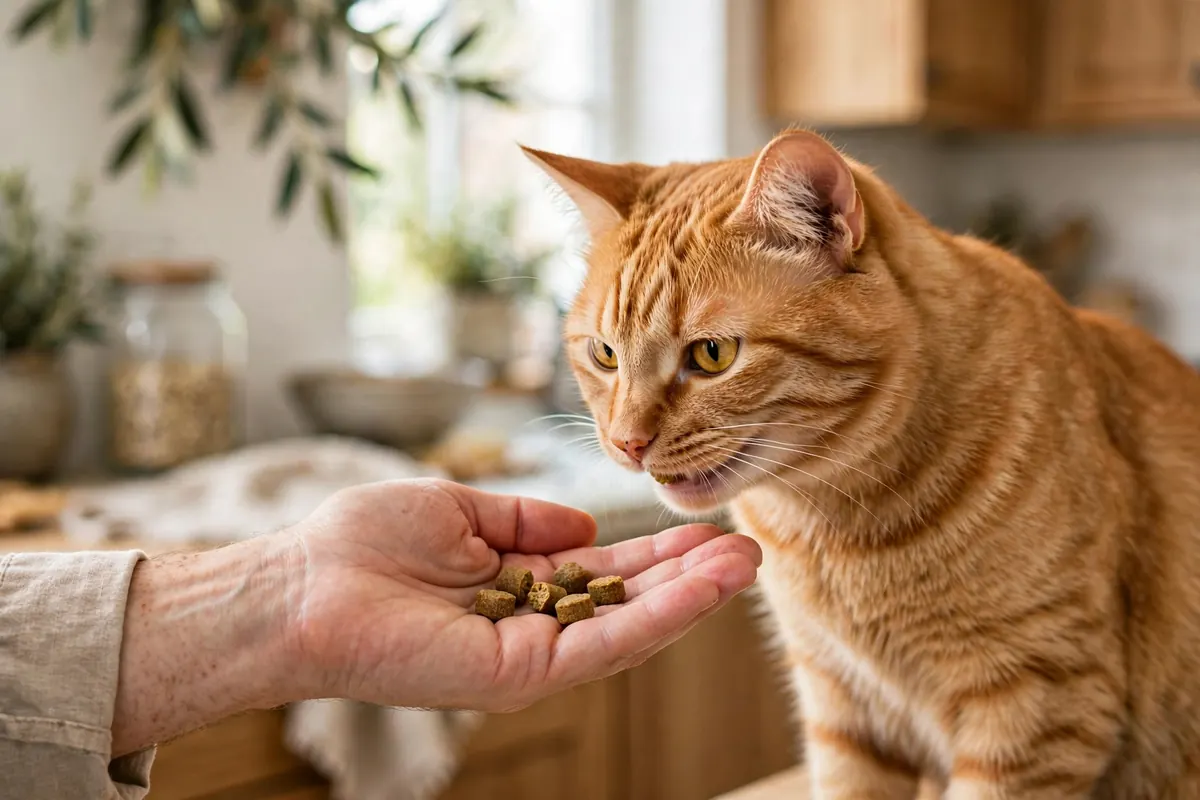
Walk down any pet store aisle in 2026 and you will face a wall of options — crunchy bites, lickable purées, dental sticks, and freeze-dried everything. So which cat treats are actually worth your money? The short answer: the best cat treats list real meat or fish as the first ingredient, keep fillers to a minimum, and land around 1–2 calories per piece so they fit comfortably into a balanced diet. Single-ingredient freeze-dried treats and lickable purées consistently top vet-approved lists because they deliver the animal protein cats are built to eat, with very little else added.
Below you will find 10 vet-approved picks across every category — crunchy, soft, lickable, and dental — plus a simple guide to reading labels and knowing exactly how many treats your cat can have each day.
What Makes a Great Cat Treat in 2026?
Cats are obligate carnivores, which means their bodies are designed to run on animal protein and fat rather than grains, sugars, or starches. A great treat respects that biology. When veterinarians describe treats as worth recommending, they generally mean products that are high in animal protein, low in empty fillers, and portion-controlled. Here is the quick checklist we used to judge every pick in this guide:
- Animal protein first. The first ingredient should be a named meat or fish — chicken, salmon, tuna — not a vague "meat meal" or a grain.
- Short, readable ingredient lists. Fewer ingredients means fewer mystery items and less chance of upsetting a sensitive stomach.
- Calorie transparency. Good brands print calories per treat on the label. Aim for roughly 1–2 calories per piece so a few treats do not wreck the daily budget.
- Texture variety. Crunchy for everyday rewards, soft for seniors and kittens, lickable for picky cats, dental for oral health.
- No artificial colors or flavors. These add nothing for your cat — they exist to impress the human holding the bag.
The 10 Best Cat Treats of 2026
We compared dozens of options on protein content, ingredient quality, calorie count, and the only test that truly matters — whether real cats actually eat them. Here are the ten standouts, grouped by type so you can find the right fit for your cat.
- Freeze-Dried Salmon Bites. The gold standard of single-ingredient treats: just freeze-dried salmon, nothing added. High in protein and omega fatty acids, with a crunchy texture most cats love. Pure fish suits cats with grain sensitivities too. Break larger pieces in half for kittens.
- Freeze-Dried Chicken Breast Strips. Lean, highly digestible, and almost universally loved. Freeze-drying preserves the nutrition, and the strips crumble easily over meals as an appetite topper for fussy eaters.
- Lickable Tuna Purée Tubes. The squeeze-tube format that took over the decade for good reason: hydrating, irresistible to picky cats, and perfect for bonding or training. Also handy for hiding crushed medication, with your vet's approval.
- Classic Crunchy Salmon Bites. The old-fashioned crunchy treat, done right: salmon or salmon meal first on the label, around 2 calories per piece. The crunch gives welcome texture contrast for cats that eat mostly wet food.
- Dental Treats With the VOHC Accepted Seal. The VOHC awards its seal only to products with proven plaque or tartar control. These treats use an abrasive texture that scrubs tooth surfaces as your cat chews — a snack doing double duty for oral health.
- Soft Chicken Treats for Seniors. Older cats with sore gums or missing teeth often give up on crunchy treats. Soft, chewy chicken treats let seniors keep enjoying rewards — also a smart pick for kittens and cats recovering from dental work.
- Freeze-Dried Whole Minnows. A whole tiny fish, freeze-dried with everything intact — single-ingredient, high-protein, and irresistible to a cat's inner hunter. Larger than typical treats, so best as an occasional special reward.
- Chicken and Catnip Crunchy Bites. A sprinkle of real catnip makes a solid chicken-based crunchy treat irresistible. Small, aromatic, and easy to toss — great training rewards. Cats that ignore catnip still get a decent chicken treat.
- Grain-Free Lickable Chicken Purée. The same lickable fun without the seafood, for poultry-preferring cats. Choose grain-free versions with chicken or broth first on the label. Excellent for tempting a cat off its food or giving liquid supplements.
- Freeze-Dried Duck Liver Nibbles. Intensely flavorful and nutrient-dense — which is why cats go wild for it, and why it belongs in the treat category, not meals. A few tiny nibbles deliver a big payoff; best for cats without sensitive stomachs.
How to Read a Cat Treat Label Like a Vet
You do not need a nutrition degree to decode a treat bag — just these four checks. First, scan the first three ingredients; at least one named animal protein should appear there. Second, look for a calorie statement ("2 kcal per treat") so you can do the 10%-rule math in the next section. Third, check the feeding directions, which reputable brands print clearly. Finally, remember that treats are snacks, not complete meals — they do not need to meet full nutritional standards the way daily cat food does, so do not be alarmed that the label lacks that claim. Your cat's main diet, covered in our best cat food for indoor cats guide, is where complete nutrition comes from.
5 Ingredients to Avoid in Cat Treats
Most treats on the shelf are safe, but a quick scan of the label can steer you toward better options. Watch out for these:
- Added sugars. Dextrose, corn syrup, and sucrose have no place in a carnivore's snack. They add empty calories and can contribute to weight gain and dental problems.
- Artificial colors. Red 40, Yellow 5, and caramel color exist to make the treat look appealing to you, not your cat — cats do not care what color their snack is.
- Onion and garlic powder. Both are toxic to cats even in small amounts and can damage red blood cells. They sometimes hide in "savory flavor" blends, so read the full list.
- Excessive salt. A little sodium is normal, but treats loaded with salty flavorings are a poor choice, especially for senior cats or cats with kidney or heart concerns.
- Propylene glycol. This humectant keeps semi-moist treats soft, but it is banned from cat food in the United States because it can harm feline red blood cells. It should not appear in any cat treat sold domestically — if you spot it on an imported product, put the bag back.
How Many Treats Can Your Cat Have Per Day?
The golden rule is the 10% rule: treats should make up no more than 10% of your cat's total daily calories. An average adult cat eats roughly 200–250 calories a day, which leaves about 20–25 calories for treats — around 10 to 12 small treats at 2 calories each. Overweight cats, seniors, and cats with health conditions should get fewer, and it is worth trimming a little from meals on heavy treat days (training sessions, vet visits, grooming). Treats are meant to supplement the diet, never replace balanced meals — and if you are ever unsure about portions, your vet can calculate the right number for your cat's weight in seconds.
Frequently Asked Questions
Are cat treats healthy for cats?
Treats can be a healthy part of a cat's diet when chosen well and fed in moderation. Pick options with real meat or fish as the first ingredient, and keep treats under 10% of your cat's total daily calories so they don't unbalance the main diet.
How many treats can I give my cat per day?
Follow the 10% rule: treats should make up no more than 10% of daily calories. For an average adult cat eating about 200–250 calories a day, that's roughly 20–25 treat calories — around 10–12 small treats at 2 calories each. Cut back if your cat is overweight.
Are lickable cat treats good for cats?
Yes — lickable purées are among the most popular treats in 2026. They add a little extra moisture to the diet, most picky cats love them, and they are handy for bonding, training, and hiding crushed medication (with your vet's approval).
Can kittens have cat treats?
Kittens can have treats from around 8–12 weeks, but choose soft, small, kitten-appropriate options and keep portions tiny. Kittens need calorie-dense nutrition for growth, so treats should be an even smaller share of their diet than for adults.
Do dental cat treats really work?
Dental treats can help reduce plaque and tartar buildup thanks to their abrasive texture, especially products carrying the VOHC Accepted seal. They are a helpful extra, not a replacement for regular veterinary dental checkups and cleanings.