10 Human Foods That Are Poisonous to Cats
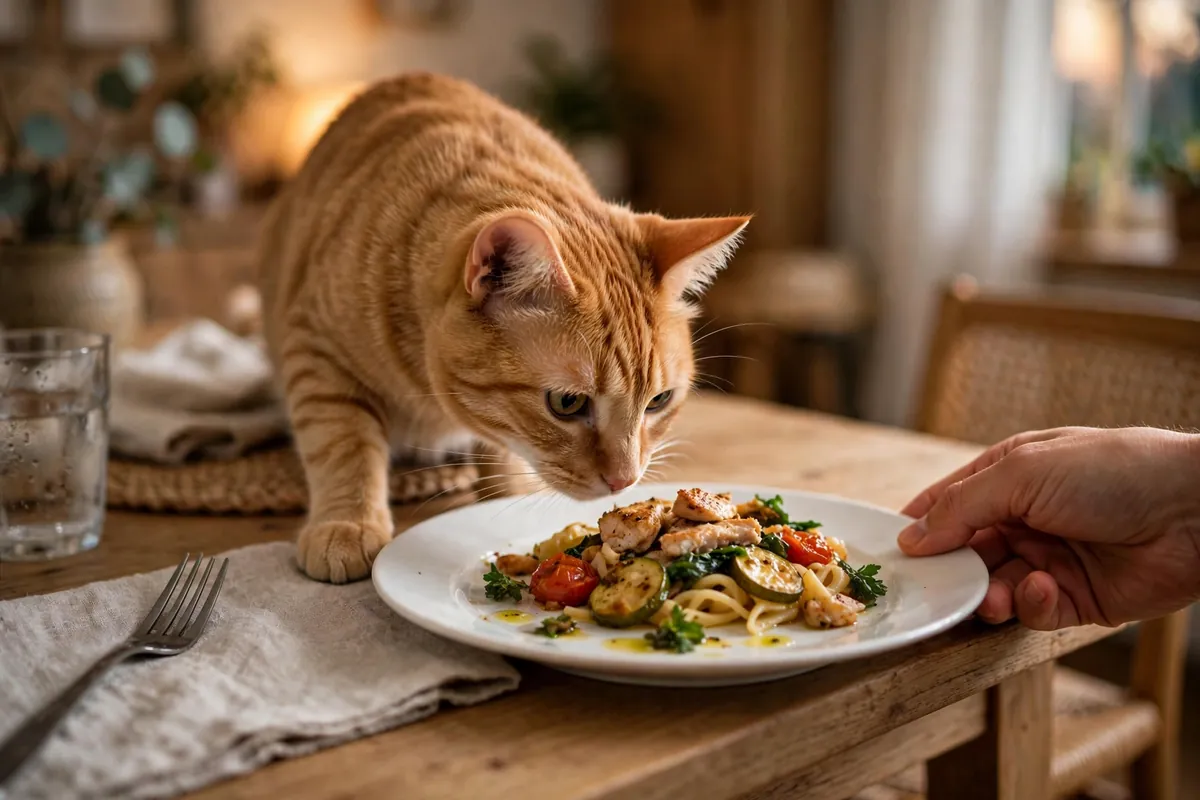
The short answer: many everyday human foods are genuinely poisonous to cats — onions and garlic (red blood cell damage), chocolate (theobromine), grapes and raisins (kidney failure), xylitol (liver failure), alcohol, caffeine, raw fish and meat, dairy, and even dog food in the long run. Cats process food very differently from humans, so a snack that is harmless to you can seriously harm them — and if your cat eats any of the foods below, call your vet or a pet poison helpline right away. This guide covers the 10 most dangerous human foods, why each one harms cats, the warning symptoms to watch for, and what to do in an emergency.
Cats are notoriously curious about your plate, and a begging cat is hard to resist — but a tiny bite can genuinely hurt. But cats are obligate carnivores with a liver that lacks some of the detox pathways humans and even dogs have, which makes them vulnerable to compounds in foods we'd never think twice about.
10 Human Foods That Are Poisonous to Cats
- Onions, garlic, shallots, and leeks. All onion-family foods contain sulfur compounds that damage cats' red blood cells, causing hemolytic anemia. Raw, cooked, powdered, or dehydrated — onion powder in sauces counts too. Signs are often delayed 1–3 days: lethargy, pale gums, rapid breathing, and dark urine.
- Chocolate. Chocolate contains theobromine and caffeine, which cats metabolize poorly. Dark and baking chocolate are the most concentrated and dangerous, but no chocolate is safe. Watch for vomiting, diarrhea, restlessness, rapid heart rate, and tremors.
- Grapes and raisins. These can cause acute kidney failure in cats, and sensitivity is unpredictable — small amounts have harmed some animals. Early signs include repeated vomiting and lethargy; reduced urination signals kidney trouble and needs emergency care.
- Xylitol (birch sugar / E967). Found in sugar-free gum, candy, and some peanut butters. In dogs it triggers dangerous insulin release and liver failure; in cats the risk is less studied, but that is no reason to gamble — keep all xylitol products out of reach.
- Alcohol. Beer, wine, spirits, and alcohol-cooked foods are dangerous. Cats are small, so even a little ethanol can cause vomiting, stumbling, depressed breathing, and in severe cases coma. Never leave unattended drinks where a cat can lap from them.
- Caffeine. Coffee, tea, and energy drinks overstimulate a cat's heart and nervous system: restlessness, rapid breathing, tremors, and vomiting. Coffee grounds and tea bags are concentrated sources — keep them in a lidded trash can.
- Raw fish and raw meat. These can carry Salmonella and E. coli. Raw fish adds another hazard: thiaminase, an enzyme that destroys thiamine (vitamin B1), and deficiency can cause serious neurological problems. Always cook meat and fish meant for your cat.
- Milk and dairy. Most adult cats are lactose intolerant — they lose the milk-digesting enzyme after weaning. Milk, cheese, and cream commonly cause vomiting and diarrhea. A tiny lick is rarely an emergency, but dairy shouldn't be a treat.
- Dog food (as a regular diet). A stolen mouthful won't poison your cat, but dog food lacks the taurine, arachidonic acid, and vitamin A levels cats need, and runs higher in carbohydrates. Long-term, it can cause taurine-deficiency heart disease and blindness — keep the dog's bowl out of reach.
- Raw eggs and raw yeast dough. Raw egg whites contain avidin, which binds biotin (a B vitamin), plus a salmonella risk. Raw dough is worse: yeast ferments in the warm stomach, producing ethanol while the dough expands — risking alcohol poisoning and a painfully bloated stomach.
Why Cats React So Badly to Human Food
It isn't just pickiness — feline biology makes human food riskier for cats than for most other pets:
- Missing detox pathways. Cats lack liver enzymes (including glucuronosyltransferase) that humans and dogs use to break down plant compounds — substances we clear easily can linger in a cat's system.
- Small body, big dose. A bite-sized amount for you is a proportionally much larger dose for a small cat — toxicity is about dose per body weight.
- Obligate carnivores. Cats evolved to get everything from meat — they can't synthesize taurine, arachidonic acid, or vitamin A from plant precursors the way omnivores can. Human food that is plant-heavy or dog-formulated simply doesn't meet their needs.
This is also why "my cat ate it once and was fine" is a dangerous argument: some toxins are cumulative and delayed, showing up days later. If you're unsure whether something is safe, check our cat food guides or ask your vet before sharing.
Symptoms of Food Poisoning in Cats: What to Watch For
Signs can appear within minutes or take days. Watch for:
- Digestive signs: vomiting, diarrhea, drooling, loss of appetite, or a hunched posture.
- Neurological signs: stumbling, tremors, disorientation, or seizures.
- Cardiovascular signs: rapid or irregular heartbeat, panting, or rapid breathing.
- Blood-related signs (allium poisoning): pale or yellowish gums, weakness, dark or reddish urine — typically 1–3 days after eating onions or garlic.
- Kidney-related signs (grapes/raisins): repeated vomiting, lethargy, and reduced urination within 24–72 hours.
Any combination of these after a suspected ingestion counts as an emergency — don't wait to see whether it gets worse. Note that some symptoms overlap with general illness, so if your cat is also off their food or vomiting without an obvious cause, toxic ingestion should be on the suspect list.
What to Do If Your Cat Eats Something Toxic
Act quickly and calmly — the right first steps make a real difference:
- Stay calm and remove the food. Take away the remains so your cat can't eat more, and move them to a quiet room.
- Note what, how much, and when. Save the packaging — your vet needs the exact product, estimated amount, and time of ingestion.
- Call your vet or a pet poison helpline immediately (in the US: the ASPCA Animal Poison Control Center or Pet Poison Helpline, a fee may apply) — with many toxins, early treatment is far more effective.
- Do NOT induce vomiting unless told to. Home vomiting attempts can cause choking or aspiration, and with some substances vomiting makes things worse. Only do it under direct veterinary instruction.
- Follow professional guidance. The vet may ask you to come in immediately or monitor at home. Bring the packaging with you to the clinic.
Save your vet's number and a poison helpline number in your phone now — in a real emergency, you don't want to be searching.
How to Cat-Proof Your Kitchen
Prevention beats emergency treatment every time:
- Never leave food unattended — cats are expert counter-surfers.
- Use a lidded trash can kept somewhere inaccessible — coffee grounds, tea bags, onion peels, and bones all end up there.
- Store chocolate, grapes, and sugar-free products in closed cabinets, never in open bowls.
- Check ingredients of anything you share: onion and garlic powder hide in baby food, gravies, and sauces.
- Educate the household. Kids and guests are the most common source of "just a tiny bite" — make the no-sharing rule clear to everyone.
- Keep human medication separate too — while not food, pills left on counters are one of the most common cat poisonings of all.
A cat-proof kitchen takes one afternoon to set up and removes the biggest everyday poisoning risks in your home.
Frequently Asked Questions
My cat ate a small piece of onion — will it be okay?
It depends on the amount relative to your cat's size, and onion toxicity is cumulative. Don't calculate a safe dose yourself: call your vet, describe what and how much was eaten, and follow their advice. Watch for lethargy, pale gums, or dark urine over the next 1–3 days.
Can cats eat tuna from a can?
Occasional canned tuna in water isn't toxic, but it isn't a complete food and some cans are high in sodium. The bigger concern is making it a habit — cats can become addicted to the taste and refuse balanced food. For the full breakdown, see our guide on whether cats can eat tuna.
Is cheese bad for cats?
Most adult cats are lactose intolerant, so cheese often causes vomiting or diarrhea. A tiny piece as a rare treat is unlikely to be dangerous, but cheese shouldn't be a regular snack — cat-specific treats are better.
What human foods CAN cats eat safely?
Plain cooked chicken, turkey, or fish (no bones, no seasoning), small amounts of cooked egg, and plain pumpkin purée are generally safe as occasional treats. Keep treats under about 10% of daily calories — the rest should come from complete cat food.
How fast do poisoning symptoms appear in cats?
It varies: alcohol and caffeine can cause signs within an hour, onion/garlic blood-cell damage typically appears 1–3 days later, and grape-related kidney signs can take 24–72 hours. Because of these delays, always call your vet right after an ingestion instead of waiting for symptoms.