Why Is My Cat Not Eating? 10 Reasons & What to Do
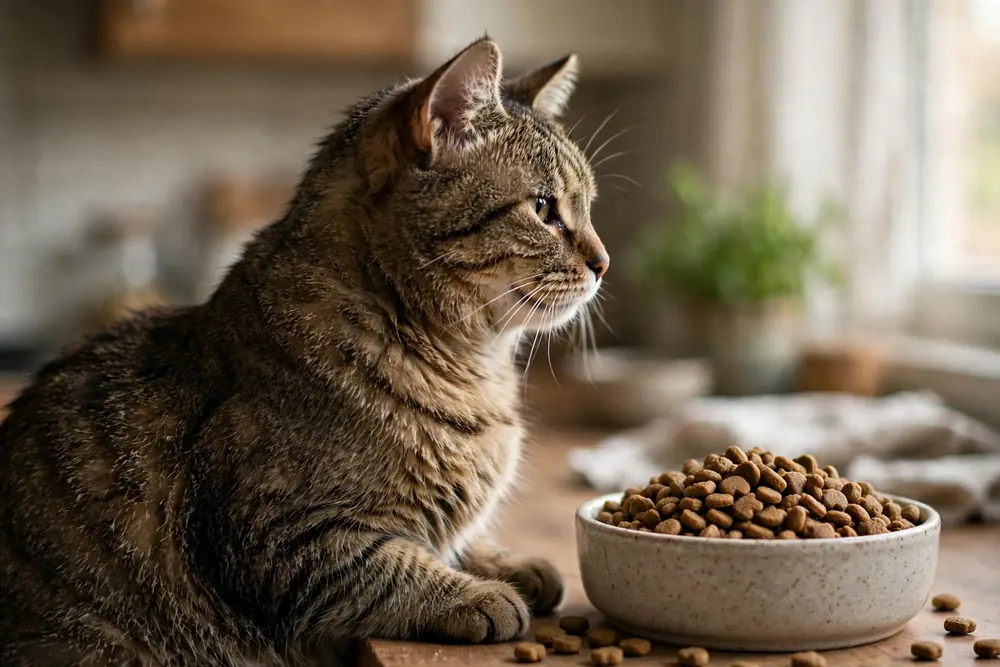
A cat that suddenly refuses food is one of the scariest things a cat parent can face — and the short answer is that it can range from something trivial (a new food they dislike) to something urgent (dental pain, nausea, or organ trouble). Missing one meal is rarely an emergency, but a cat that eats nothing for 24 hours — or a kitten that skips food for 12 hours — needs veterinary attention. This guide walks you through the 10 most common reasons cats stop eating, what you can safely try at home, and the red flags that mean "call the vet now."
Cats are creatures of habit, and appetite is one of the best windows into how they feel. A healthy cat is usually enthusiastic about meals, so when that enthusiasm vanishes, it is worth investigating promptly. The tricky part is that cats hide discomfort well — by the time they refuse food, something has often been brewing for a while. Let's go through the possibilities one by one, from the harmless to the serious.
10 Reasons Your Cat Won't Eat
- They simply don't like the food. Cats are famously picky, and a sudden recipe change — even by the same brand — can trigger a hunger strike. Check whether you recently switched flavors, formulas, or bought a new bag; manufacturers quietly tweak recipes more often than you'd think.
- Stress or a changed routine. A new home, new furniture, houseguests, a new pet, or even a rearranged feeding corner can put a sensitive cat off food. Cats associate safety with routine, and disruption can suppress appetite for a day or two.
- Recent vaccination or mild illness. A mild, short-lived dip in appetite in the 24–48 hours after vaccines is normal. Similarly, a mild cold can dull a cat's sense of smell — and since cats largely "taste" with their noses, a stuffy nose makes food unappealing.
- Dental pain. This is one of the most common — and most overlooked — causes. Sore gums, a cracked tooth, or resorptive lesions make chewing painful, so the cat approaches the bowl eagerly and then walks away, or tries to eat and drops food. Bad breath and drooling are supporting clues.
- Nausea or stomach upset. If your cat sniffs food and turns away, licks their lips repeatedly, or drools, nausea is likely. Hairballs, eating something disagreeable, or gastritis can all cause it. Vomiting alongside the appetite loss points strongly in this direction.
- Hairballs. Especially in long-haired cats, a developing hairball can make them feel full and queasy. You may notice retching or gagging without producing anything. Regular brushing is the best prevention.
- Upper respiratory infection. Sneezing, watery eyes, and a runny nose plus no appetite is the classic "cat cold" picture. Warming wet food slightly (to release aroma) can tempt them to eat while they recover.
- Kidney disease (especially in seniors). In older cats, gradually declining appetite — sometimes with increased thirst and weight loss — can signal chronic kidney disease. This is manageable when caught early, which is why senior cats need regular checkups.
- Pancreatitis or liver issues. A cat that is lethargic, possibly vomiting, and refusing all food may have pancreatic or liver inflammation. These conditions need prompt veterinary diagnosis — home care alone is not enough.
- Hepatic lipidosis risk. This one matters: when an overweight cat stops eating for even 2–3 days, fat mobilizes to the liver and can cause fatty liver disease, which is life-threatening. Overweight cats should never be allowed to fast — this is the single most urgent reason to act quickly.
What to Try at Home First
If your cat skipped a meal but is otherwise bright, drinking water, and behaving normally, try these steps before worrying:
- Warm the food slightly. Ten seconds in the microwave (stir well, test temperature) releases aroma and makes wet food far more tempting — especially for a cat with a stuffy nose.
- Offer something irresistible. A little plain cooked chicken, tuna water (not the tuna itself in large amounts), or a high-quality wet food can restart eating. Use these as a lure, not a permanent diet.
- Try a different texture. Some cats refuse pâté but love shreds, or vice versa. A texture switch solves more hunger strikes than owners expect.
- Check the bowl. Wash food bowls daily — cats reject stale, crusty food. Some cats also dislike deep bowls that press their whiskers ("whisker fatigue"); a wide, shallow dish can help.
- Reduce stress. Feed in a quiet, safe spot away from other pets, loud appliances, and foot traffic. For multi-cat homes, separate feeding stations prevent bullying you might never witness.
- Fresh water nearby. Dehydration worsens everything. A clean bowl — or a cat water fountain, which many cats prefer — encourages drinking.
If your cat eats even a small amount after these steps, keep monitoring. Appetite returning is a great sign.
When to Call the Vet Immediately
Don't wait and see if any of these apply:
- No food for 24 hours (12 hours for kittens under 6 months).
- Your cat is overweight and hasn't eaten for a day — fatty liver risk.
- Refusing food plus vomiting, diarrhea, lethargy, hiding, or difficulty breathing.
- Signs of pain: drooling, pawing at the mouth, crying when yawning, or dropping food.
- Not drinking water either — dehydration escalates quickly in cats.
- Yellow tinge to gums, ears, or eyes (jaundice) — needs same-day care.
- You suspect they ate something toxic (lilies, human medication, string, etc.).
At the clinic, expect the vet to check teeth and gums, feel the abdomen, possibly run bloodwork, and ask about recent changes. The more detail you can give — when eating stopped, what was tried, any other symptoms — the faster they can help.
Preventing Future Appetite Strikes
A few habits keep mealtimes drama-free:
- Transition foods gradually over 7–10 days, mixing increasing amounts of the new food into the old.
- Stick to a feeding schedule. Two to three set mealtimes a day beat all-day grazing for monitoring appetite — you'll notice a skipped meal immediately.
- Brush long-haired cats several times a week to cut down hairballs.
- Annual dental checks — dental disease is painful, common, and very treatable.
- Keep weight in check. A lean cat that skips a meal is far less at risk than an obese one, so portion control is genuine preventive medicine.
Most appetite dips resolve quickly once the cause is found. Trust your instincts: you know your cat's normal better than anyone, and a change in eating behavior is always worth taking seriously.
Frequently Asked Questions
How long can a cat safely go without eating?
A healthy-weight adult cat can technically survive longer, but it is not safe to wait: see a vet if your cat eats nothing for 24 hours (12 hours for kittens). Overweight cats are at risk of fatty liver disease after just 2–3 days without food, so act even sooner for them.
My cat drinks water but won't eat — is that okay?
Drinking is good, but it doesn't replace food. A cat drinking but not eating for more than a day still needs veterinary attention, especially if there is vomiting, lethargy, or weight loss involved.
Should I force-feed my cat with a syringe?
No — force-feeding can cause choking or aspiration pneumonia and huge stress. If your cat won't eat voluntarily, a vet can advise on safe assisted-feeding options.
Can stress really stop a cat from eating?
Absolutely. Cats are sensitive to routine changes — moving house, new pets, guests, or even a moved food bowl can suppress appetite for a day or two. If it lasts longer, look for medical causes.
My cat only eats treats, not meals — what should I do?
Treats are the feline equivalent of candy: tasty but incomplete. Gradually reduce treats and offer meals first when hungriest. If your cat holds out beyond 24 hours, consult your vet rather than letting them starve into eating.