Cat Vomiting: When to Worry and When It's Normal
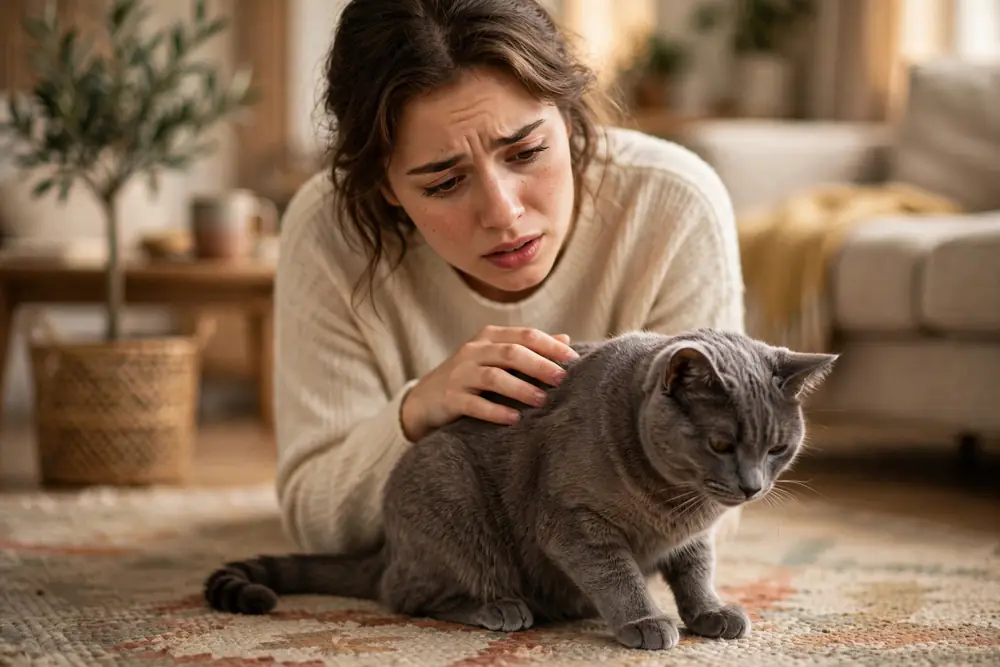
Finding a puddle of vomit on the carpet is every cat owner's least favorite surprise — but here's the reassuring truth upfront: occasional vomiting in cats is often harmless (usually hairballs or eating too fast), while repeated vomiting, vomiting with other symptoms, or vomit containing blood or foreign material is a vet visit. The key is knowing which kind you're looking at. This guide breaks down the common types of cat vomit, what's behind each, what to do at home, and the red flags that mean don't wait.
Cats vomit more readily than many animals — their gag reflex is sensitive, and hairballs alone guarantee most owners will see it happen. But "cats just vomit sometimes" is only half the story. Frequency, appearance, and accompanying behavior tell you nearly everything about whether it's a "clean it up and move on" moment or a "call the clinic" one.
Normal vs. Worrisome: The Quick Guide
Usually not urgent: a hairball once in a while; vomiting right after eating very fast (food comes up mostly undigested); a single episode with the cat acting completely normal afterward.
See a vet soon: vomiting more than once in 24 hours; vomiting for more than a day; the cat is also lethargic, hiding, or refusing food; vomit contains blood (red streaks or dark "coffee grounds"); the abdomen looks swollen or painful.
Emergency — go now: repeated retching with nothing coming up (especially in a restless, drooling cat — possible blockage); suspected poisoning; vomit with string, ribbon, or pieces of toys; vomiting plus collapse, extreme weakness, or difficulty breathing.
The 7 Most Common Causes of Cat Vomiting
- Hairballs. The number-one cause. Cats swallow fur while grooming; most passes through, but some accumulates and comes back up as a damp, tube-shaped mass. Long-haired cats and heavy groomers are most affected. Regular brushing is the fix.
- Eating too fast. The classic "scarf and barf." Food comes up within minutes, largely undigested and tubular in shape. Slow-feeder bowls or smaller, more frequent meals solve it.
- Diet change or rich food. A sudden switch of food, too many treats, or stolen human food can irritate the stomach. Always transition foods over 7–10 days.
- Food intolerance or allergy. Chronic intermittent vomiting — especially with soft stools or itchy skin — can point to a sensitivity to an ingredient like chicken, dairy, or grains. A vet-guided elimination diet identifies the culprit.
- Gastritis. Inflammation of the stomach lining from eating something disagreeable (spoiled food, plants, garbage). Usually short-lived: withhold food briefly, then reintroduce bland meals.
- Intestinal parasites. Worms are a common cause in kittens and outdoor cats. Look for a pot-bellied appearance, weight loss despite a good appetite, or visible worms. A fecal test at the vet confirms it; deworming treatment is simple.
- Foreign body blockage. String, ribbon, rubber bands, and small toy parts are notorious. Signs include repeated vomiting, loss of appetite, lethargy, and sometimes visible string. This can be life-threatening and needs immediate veterinary care — never pull on visible string yourself.
Beyond these, persistent vomiting can signal kidney disease, hyperthyroidism, pancreatitis, or liver problems — particularly in senior cats — which is why ongoing vomiting always deserves a workup.
What the Vomit Looks Like Matters
Unpleasant but useful — note what you see before cleaning up:
- Undigested food, tubular shape: regurgitation from eating too fast — esophagus, not stomach.
- Partially digested food + bile (yellow foam): true stomach vomiting; empty-stomach bile in the morning often means the cat went too long without eating.
- Clear liquid: often just water or saliva; concerning only if repeated.
- Hairball (wet, cylindrical fur mass): normal occasionally; frequent hairballs need grooming and diet attention.
- Red blood streaks: irritation or a small tear — vet visit.
- Dark brown "coffee grounds": digested blood from higher up — urgent vet visit.
- White foam repeatedly: can indicate gastritis, hairball irritation, or — if frequent — something more serious.
Home Care After a Vomiting Episode
For a single episode with a cat that is otherwise acting fine:
- Rest the stomach for a few hours (withhold food, not water), then offer a small bland meal — plain cooked chicken or a sensitive-stomach formula.
- Keep water available — small, frequent sips beat big gulps. Vomiting dehydrates, so watch intake.
- Reintroduce food gradually over 24 hours before returning to normal meals.
- Don't give human anti-nausea medicine — many are unsafe for cats. Only use what your vet prescribes.
- Note everything: frequency, appearance, and any behavior changes. This log is gold for your vet.
If vomiting recurs, stop home care and call the clinic — repeated vomiting needs professional assessment, not repeated fasting.
Preventing the Puke
- Brush regularly — the single best hairball prevention, especially for long-haired cats.
- Slow down speed-eaters with puzzle feeders or smaller, more frequent meals.
- Transition foods slowly over 7–10 days, every time.
- Keep string, ribbon, rubber bands, and small toys out of reach — blockage prevention is far easier than blockage surgery.
- Keep up with deworming on your vet's schedule, especially for kittens and outdoor cats.
- Secure the trash and keep toxic plants (like lilies) out of the house entirely.
Chronic Vomiting: When It Keeps Happening
One episode is an event; a pattern is a condition. If your cat vomits regularly — say weekly or more — for over a month, it's time to think beyond hairballs:
- Keep a log: dates, times, what the vomit looked like, what was eaten beforehand, and any other symptoms. Patterns jump out on paper that you'd never spot from memory.
- Common chronic culprits: food sensitivities, inflammatory bowel disease (IBD), hyperthyroidism (especially in seniors, often with weight loss despite good appetite), chronic kidney disease, and pancreatitis.
- What the vet will likely do: bloodwork (thyroid, kidney, liver values), possibly an abdominal ultrasound, and a diet trial. Chronic vomiting is very workable once the cause is identified — many cats improve dramatically on the right food or medication.
Don't accept "some cats just vomit" as a final answer for a chronic pattern. Occasional hairballs, yes. A standing weekly appointment with the carpet, no — that's a cat asking for help the only way they can.
Frequently Asked Questions
My cat vomits hairballs weekly — is that normal?
An occasional hairball is normal, but weekly hairballs suggest too much swallowed fur. Increase brushing, consider a hairball-control diet, and mention it at your next vet visit — frequent hairballs can occasionally signal over-grooming from skin issues or stress.
Why does my cat vomit undigested food right after eating?
That's usually regurgitation from eating too fast rather than true vomiting — the food hasn't reached the stomach yet. Try a slow-feeder bowl, smaller portions, or feeding smaller meals more often.
Is yellow bile vomit serious?
Occasional yellow bile, especially in the morning before breakfast, often just means an empty stomach. But frequent bile vomiting, or bile combined with lethargy or appetite loss, warrants a vet check.
When is cat vomiting an emergency?
Go to the vet immediately for: repeated unproductive retching, suspected poisoning, visible string or foreign material in vomit, blood that looks like coffee grounds, or vomiting combined with collapse, extreme lethargy, or breathing difficulty.
Can I give my cat Pepto-Bismol for vomiting?
No — Pepto-Bismol contains salicylates (aspirin-like compounds) that are dangerous for cats. Never give human stomach medicines to cats without explicit veterinary instruction.