National Black Cat Day: Why Black Cats Deserve Love (Not Superstition)
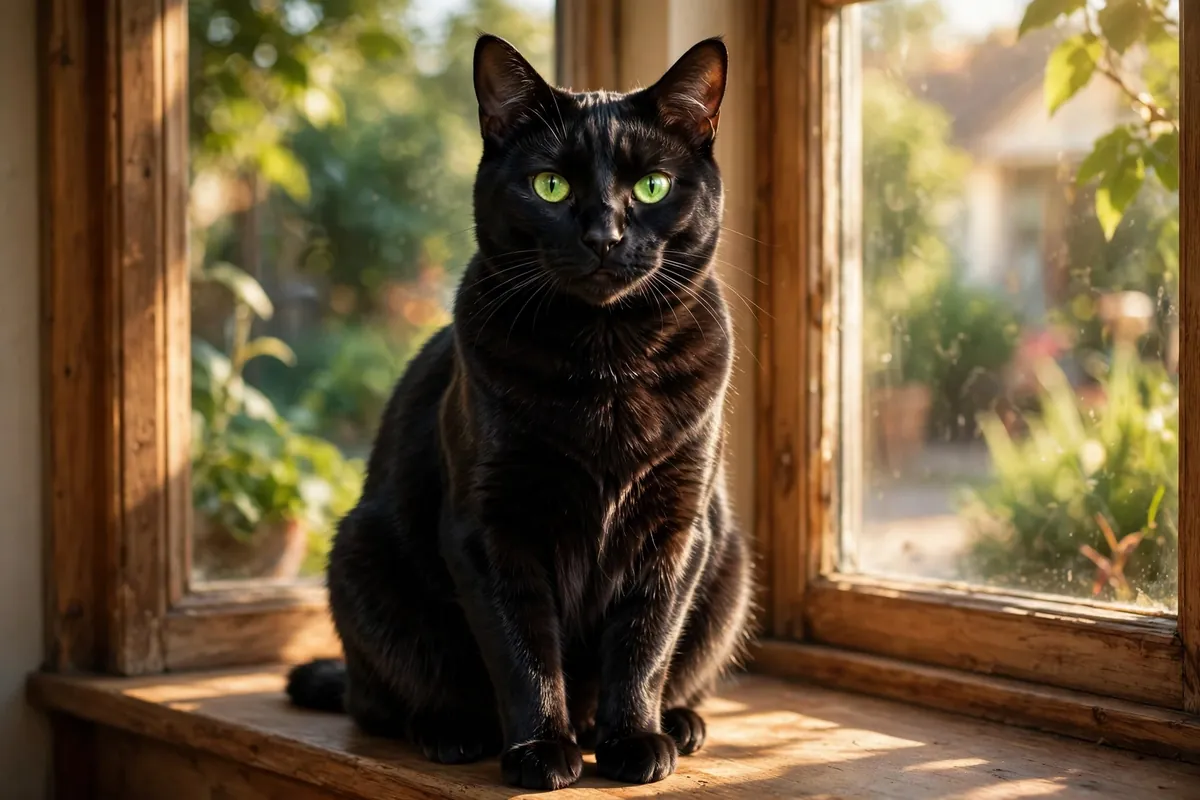
National Black Cat Day, celebrated in the United States on October 27, exists for a simple reason: black cats are wonderful companions, yet they are the cats most often passed over in shelters. If you have ever scrolled through adoption listings, you may have noticed how many black cats are waiting. This day is a reminder to look past old superstitions and see the cat underneath — a cat who purrs, plays, headbutts, and curls up on the sofa just like any other.
Whether you already share your home with a black cat, are thinking about adopting one, or simply want to understand where the superstitions came from, this guide covers it all: the history, the myths, the real reasons black cats wait longer for homes, and practical ways to celebrate the day well.
Where Did Black Cat Superstitions Come From?
Superstitions about black cats are old, and they vary a great deal by place and era. In medieval Europe, black cats became tangled up in fears about witchcraft, and the association stuck in folklore for centuries. A black cat crossing your path came to be seen as a bad omen in some traditions — even though the same event was treated very differently elsewhere.
In other cultures, black cats have long been considered lucky. In parts of the United Kingdom and Japan, for example, a black cat has traditionally been seen as a sign of good fortune, and sailors once kept black cats on ships for luck. The contradiction tells you everything you need to know: the "meaning" of a black cat has always depended on who was telling the story, not on the cat itself.
None of these beliefs has any basis in how cats actually behave. A black cat is not luckier or unluckier than an orange tabby or a grey shorthair. Coat color is determined by genetics, not by character, and no reputable study links a cat's color to its temperament or its ability to be a loving pet.
Why Do Black Cats Wait Longer for Homes?
Many shelters report that black cats tend to stay longer before being adopted. There is no single proven cause, but several practical explanations come up again and again, and none of them reflect badly on the cats.
First, black cats are harder to photograph. In a shelter listing, a dark coat can blend into shadows, hide facial expressions, and make a cat look like a featureless silhouette in a quick phone photo. Adopters browsing dozens of listings often pause on the cats whose faces they can see clearly, and black cats lose out through no fault of their own.
Second, there are simply a lot of black cats. Solid black is a common coat pattern, so shelters often have several black cats available at once. When supply is high and attention is limited, individual cats can get overlooked — especially the shy ones who hide at the back of their kennel when visitors walk by.
Third, old superstitions still linger in the background. Most people do not genuinely believe a black cat brings bad luck, but a vague unease, a joke from a relative, or a Halloween association can be enough to make someone choose a different cat. National Black Cat Day exists precisely to push back against that quiet bias.
The good news is that this is a problem with a simple fix: better photos, a little patience during a shelter visit, and a willingness to meet the cat rather than judge it from a thumbnail.
What Black Cats Are Really Like
Ask owners of black cats and you will hear the same words over and over: affectionate, chatty, playful, and loyal. That is not because black cats share a single personality — they do not — but because once people get past the color, they discover an individual cat with its own quirks.
Some black cats are confident greeters who run to the door. Others are quiet observers who take a few days to trust a new person and then become devoted lap cats. Some are vocal, with a distinctive meow they use to narrate their entire day. Others barely make a sound but communicate with slow blinks, headbutts, and a tail held high.
Physically, black cats have their own quiet beauty. Many have striking gold, green, or copper eyes that stand out dramatically against a dark coat. Some black cats develop a rusty or reddish tinge in strong sunlight, a phenomenon sometimes called "rusting," which is completely normal and caused by sun exposure. Others carry a tiny white patch on the chest or a few white hairs, like a secret only their owner notices.
Thinking About Adopting a Black Cat?
If you are considering adoption, a black cat deserves exactly the same careful thought as any cat. Ask yourself the usual questions first: Do you have time for daily play and attention? Can you afford food, litter, and veterinary care for the cat's whole life? Is your home safe, with a quiet space where a new cat can settle in? If the answers are yes, coat color should be the last thing on your mind.
At the shelter, take your time. Sit quietly near the kennel and let a shy cat come to you rather than reaching in immediately. Ask staff about the cat's history, energy level, and how it gets along with children or other pets. A cat that hides during a noisy visiting hour may be a completely different animal once it is home and relaxed.
Remember that adult cats, including adult black cats, are often the most overlooked of all. Kittens are adopted quickly, while older cats wait. An adult black cat usually comes with a known personality, is often already litter trained, and may settle into your routine faster than a kitten. If you want a calmer companion, an adult is often the better match.
Finally, adopt through a reputable shelter or rescue that screens adopters and offers post-adoption support. That advice applies to every cat, every day of the year — not just around Halloween.
How to Photograph a Black Cat (So It Shines)
Whether you volunteer at a shelter or just want better photos of your own cat, these tips make a real difference:
- Use natural light. Photograph near a window during the day, with light falling on the cat's face. Avoid harsh overhead lights and direct flash, which flatten detail.
- Choose a light background. A pale blanket, a light sofa, or a bright wall helps the cat's outline and eyes stand out.
- Focus on the eyes. Tap to focus on the eyes in your phone camera. Sharp, bright eyes transform a photo of a black cat.
- Get down to their level. Photos taken from the cat's eye level feel more intimate and show far more expression than shots taken from standing height.
- Catch them relaxed. A cat mid-yawn, mid-stretch, or mid-purr is far more appealing than a cat staring warily at a camera flash.
Shelters that invest a few extra minutes in photos often find their black cats attract far more interest. If you volunteer, offering to photograph shelter cats is one of the most helpful things you can do.
Fun Ways to Celebrate National Black Cat Day
You do not need to adopt a cat to celebrate. Here are simple, genuinely helpful ways to mark the day:
- Share a black cat's story. Post a photo of your black cat, or share a shelter cat's listing, with a few words about its personality. Personal stories persuade far more than generic posts.
- Donate or volunteer. Shelters always need food, blankets, and litter, and many welcome volunteers to play with cats or help with photography.
- Spoil your own black cat. A new toy, a longer play session, a favorite treat, or a sunny window perch are all perfectly good celebrations.
- Challenge a superstition kindly. If someone jokes about black cats and bad luck, a lighthearted correction ("Mine only brings good naps") goes further than an argument.
If you do adopt around this time of year, keep your new cat indoors during Halloween festivities while it settles in.
Black Cats and Halloween Safety
Halloween deserves a brief note because it falls so close to National Black Cat Day. Keep all cats indoors on Halloween night, not because of superstition, but because of practical risks: open doors, fireworks, loud visitors, and sweets that are toxic to cats, such as chocolate. Keep candy bowls out of reach, watch for cats slipping out when trick-or-treaters arrive, and give nervous cats a quiet room with their bed, litter tray, and water.
These precautions apply to cats of every color. Singling out black cats for extra fear on Halloween is exactly the kind of thinking this day aims to retire.
Frequently Asked Questions
When is National Black Cat Day?
In the United States, National Black Cat Day is celebrated on October 27. In the United Kingdom, a separate Black Cat Day is observed on August 17. Both days share the same goal: encouraging people to appreciate and adopt black cats.
Are black cats really less likely to be adopted?
Many shelters report that black cats tend to wait longer for homes than lighter-colored cats. A common explanation is that they are harder to photograph, so they stand out less in online listings — not that they make worse pets.
Do black cats have different personalities?
No. Coat color does not determine personality. Black cats, like cats of any color, can be playful, shy, chatty, or cuddly depending on their individual temperament, breed background, and early experiences.
Is it safe to adopt a black cat around Halloween?
Yes, provided you adopt through a reputable shelter that screens adopters, as it should for any cat. Responsible shelters take care with all adoptions year-round. Keep any new cat indoors during Halloween festivities while it settles in.
How can I take better photos of a black cat?
Use natural light from a window, photograph against a lighter background, and focus on the eyes. Avoid harsh flash, which can wash out detail. A few good photos can make a real difference for a shelter cat waiting for a home.