Halloween Cat Safety: 10 Hidden Dangers Every Owner Must Know
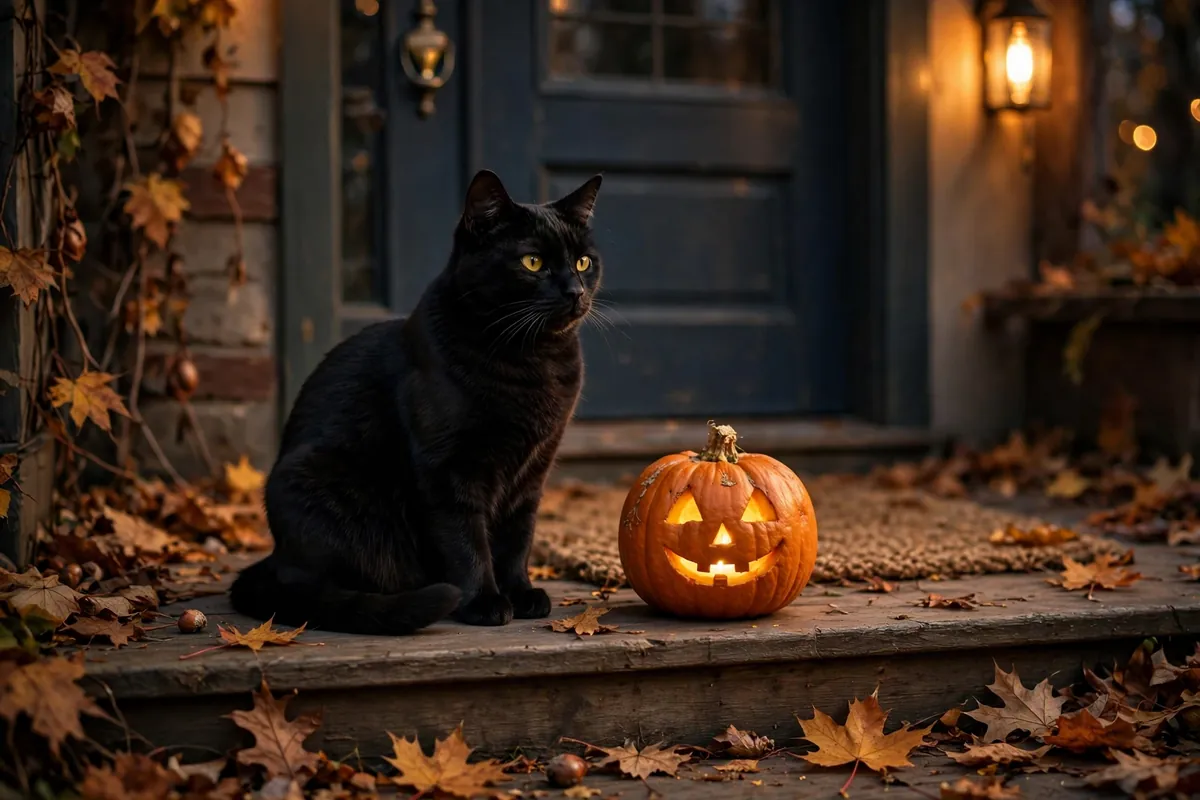
Halloween is only a week away — the pumpkins are carved, the candy bowls are filling up, and costume boxes are coming down from the attic. But for your cat, October 31 can be the most dangerous night of the year. The 10 hidden dangers every owner should know are: chocolate and candy toxicity, xylitol in sugar-free treats, foil wrappers that can choke or block the intestines, lit candles and jack-o'-lanterns that burn curious paws and tails, costumes that stress cats out, tangling decorations like fake cobwebs and strings, glow sticks that leak bitter liquid when chewed, the constant doorbell and stream of strangers that spike anxiety, cats darting out of open doors into the dark, and the extra caution black cat owners need during superstition season. Here is how to handle every one of them, so your whole family — whiskers included — enjoys a happy, scare-free Halloween.
Most Halloween hazards are things we barely notice as humans: a bowl of candy on the coffee table, a candle flickering inside a pumpkin, the front door swinging open every few minutes. Cats, though, explore the world nose-first and paw-first, and they are drawn to crinkly wrappers, flickering flames, and dangling strings. A little planning now, a week before the big night, makes all the difference between a fun evening and an emergency vet visit.
1. Chocolate and Halloween Candy Are Toxic to Cats
Chocolate contains theobromine and caffeine, two compounds cats cannot process the way we do. Even a small amount can cause vomiting, restlessness, rapid breathing, and a racing heart — and dark or baking chocolate is more dangerous than milk chocolate because it is more concentrated. The candy bowl is not the only problem: kids' trick-or-treat bags end up on bedroom floors, under sofas, and in backpacks, all places cats investigate.
Candy packed with sugar is not much better. A sweet binge can upset your cat's stomach and, in cats with health conditions, cause real trouble. Keep the household candy in sealed containers on high shelves, ask kids to zip their treat bags shut, and do a quick floor sweep after every trick-or-treat run. If you want to include your cat in the treat fun, set aside some of their own cat-safe treats so they do not feel left out while everyone else is snacking.
2. Xylitol in Sugar-Free Treats
Many sugar-free candies, gums, and mints are sweetened with xylitol (also labeled as birch sugar), a sweetener that is famously dangerous for dogs. For cats the research is less settled — but veterinarians consistently advise keeping xylitol away from cats too, since it is simply not worth the gamble. A curious cat that chews open a pack of sugar-free gum could be in real trouble.
This one is sneaky because xylitol hides in products that do not look like candy at all: mints, some peanut butters, and sugar-free baked goods. Read labels on anything you bring into the house this week, and store sugar-free products in closed cabinets, not open bowls. If your cat does get into something sugar-free, note the product name and call your vet right away.
3. Foil Wrappers, Ribbons, and Choking Hazards
To a cat, a foil wrapper is a crinkly, shiny toy — and that is exactly the problem. Cats can chew off and swallow pieces of foil, cellophane, or plastic wrappers, which can irritate the mouth, cause choking, or in the worst cases lodge in the intestines and need surgical removal. Ribbon and curling ribbon from treat bags and gift packaging are just as dangerous: a strand caught under the tongue can saw into tissue as the cat swallows.
Make it a habit to unwrap treats over the trash and throw wrappers away immediately instead of setting them on tables. Keep an eye on gift bags and goodie bags too. If you notice your cat chewing on something crinkly, trade them for a real toy — never try to yank a string or ribbon out of their mouth, because pulling can cause worse damage. A vet visit is the safer move if a piece has already been swallowed.
4. Lit Candles and Jack-o'-Lanterns Burn Curious Cats
Nothing says Halloween like a glowing jack-o'-lantern, but an open flame and a whiskered explorer are a bad combination. Cats are fascinated by flickering light, and a swishing tail or a curious nose can get singed in an instant — or knock the whole candle over and start a fire. Tea lights on low tables and lit pumpkins on doorsteps are the highest-risk setups.
The easy fix is to go flameless: battery-operated LED candles and string lights give you all the spooky glow with none of the risk, and they last the whole season. If you insist on real candles somewhere, put them well out of jumping range — behind glass, on a high mantel, or in a room your cat cannot enter — and never leave them burning unattended. This one change alone prevents one of the most common Halloween pet injuries.
5. Costumes Can Seriously Stress Cats Out
Pet costumes are adorable in photos, but most cats find them miserable. A costume restricts movement, muffles whiskers (which are key sensory tools), and can overheat a cat — and the handling involved in dressing them up is stressful in itself. A stressed cat may freeze, hide for hours, stop eating, or lash out at whoever is nearest.
If you really want to include your cat, test the costume several days before Halloween. A cat that stays relaxed, walks normally, and keeps their ears up may tolerate a simple, loose-fitting accessory like a festive bandana for a quick photo. A cat that flattens their ears, crouches, tries to tear the costume off, or hides is telling you clearly: skip it. Never cover the face, restrict breathing, or leave a costumed cat unsupervised for even a minute. A Halloween-themed collar or a photo with a pumpkin is a perfectly cute compromise.
6. Decorations: Fake Cobwebs, Strings, and Dangly Dangers
Fake spider webs, hanging ghosts, streamers, and tinsel-style garlands turn your living room into a playground of tempting targets. Stringy decorations are the classic cause of what vets call linear foreign bodies: the cat swallows one end of a string while the other end anchors somewhere in the gut, and the intestines bunch up dangerously around it. Fake cobweb material is especially risky because cats chew it into clumps that can block the digestive tract.
Decorate with your cat in mind: keep stringy, dangly decorations high and out of reach, secure cords and wires with covers or tape, and skip the fake cobwebs in any room your cat uses. Sturdy, non-breakable decorations placed where cats cannot bat them off shelves are the safest bet. And remember that pumpkin-carving scraps — stringy pulp and seeds — belong in the bin, not on the floor where a cat might sample them.
7. Glow Sticks and Glow Jewelry
Glow sticks are everywhere on Halloween night — in treat bags, on costumes, scattered around yards. The liquid inside tastes extremely bitter, so a cat that punctures one will usually drool dramatically, paw at their mouth, and may become agitated. It is rarely life-threatening, but it is unpleasant and can cause stomach upset, and the plastic casing itself is a chewing and choking hazard.
Keep glow products out of reach and pick up any that kids drop on the floor or lawn. If your cat does chew one, offer a little water or a small meal to help rinse the bitter taste, and wipe any liquid off their fur so they do not ingest more while grooming. Call your vet if drooling does not settle, or if your cat seems distressed. LED alternatives exist for every glow-stick purpose and are the safer choice in a cat household.
8. Doorbell Panic: Visitors and Stranger Anxiety
Think about Halloween from your cat's perspective: the doorbell rings every few minutes, strange voices shout from the doorway, and people in masks and capes keep appearing. For a territorial animal that reads safety in routine, this is hours of pure stress. Anxious cats may hide, refuse food, over-groom, or even become aggressive — and stress can trigger flare-ups in cats with urinary or digestive sensitivities.
The kindest approach is to give your cat a sanctuary room for the evening: a quiet back bedroom with food, water, a litter box, a cozy hiding spot, and something that smells like you. Put a note on the door so guests know not to open it. Playing soft background music or the TV can help mask doorbell noise. Our Cat Behavior guides have more ideas for calming an anxious cat, from routine-building to safe hiding spaces.
9. Cats Bolting Out the Open Door
The single scariest Halloween risk is also the simplest: with the front door opening dozens of times, an indoor cat can slip out in a second — into the dark, among unfamiliar people, costumes, and traffic. A lost cat on Halloween night faces extra dangers, from cars to cruel pranks, and finding a frightened cat in the dark is genuinely hard.
Keep your cat in that sanctuary room with the door closed before the first trick-or-treaters arrive, and do not rely on willpower alone. Make sure their collar with an ID tag is on (breakaway collars are safest for cats), and confirm their microchip registration is up to date — Halloween week is the perfect time to check. Some owners greet trick-or-treaters on the porch or driveway instead of opening the front door at all, which removes the risk entirely and can be more fun for the kids anyway.
10. Extra Caution for Black Cats This Season
Old superstitions about black cats and bad luck still linger, and every October animal shelters and rescues report heightened concern for black cats — from pranksters to people seeking them out for the wrong reasons. Even setting superstition aside, a black cat slipping out on a dark Halloween night is simply harder to spot and recover.
If you share your home with a black cat, keep them strictly indoors through Halloween week, double-check that their collar and microchip details are current, and do not let strangers handle or photograph your cat without you right there. The good news is that superstition cuts both ways in some cultures — in parts of the UK, for example, black cats are considered lucky — but caution costs nothing. A safe, cozy indoor Halloween is the best kind for a black cat.
Your Halloween Night Checklist
Tape this to the fridge a week before October 31 and work through it on the day:
- Candy and chocolate stored in sealed containers, out of reach.
- Sugar-free treats checked for xylitol and put away.
- Wrappers, ribbons, and treat-bag trash going straight into a lidded bin.
- Candles swapped for LED lights; any real flames secured or blown out.
- Costume decision made — and your cat's comfort respected either way.
- Stringy decorations secured high; fake cobwebs out of cat zones.
- Glow sticks collected and stored away from paws.
- Sanctuary room set up: food, water, litter box, hiding spot, familiar smells.
- Collar with ID tag on; microchip details checked.
- Front-door plan in place: porch greeting or a closed-door barrier.
- Vet's number and the nearest emergency clinic saved in your phone.
Halloween should be fun for everyone in the house — including the four-legged family members. With a little preparation, your cat can spend October 31 doing what cats do best: napping peacefully while the chaos happens somewhere else. From all of us at Purrfect Paws, have a safe and happy Halloween! 🎃🐾
Frequently Asked Questions
Is chocolate really dangerous for cats?
Yes. Chocolate contains theobromine and caffeine, which cats cannot process well. Dark and baking chocolate are the most dangerous. Even small amounts can cause vomiting, restlessness, rapid heartbeat, and worse. Keep all chocolate in sealed containers your cat cannot open.
What should I do if my cat eats Halloween candy?
Stay calm, check what and how much was eaten, save the wrapper if you can, and call your veterinarian or a pet poison helpline right away. Do not try to make your cat vomit unless a vet tells you to. Note the time of ingestion and watch for drooling, vomiting, or lethargy.
Can I dress my cat in a Halloween costume?
Only if your cat is genuinely relaxed wearing it. Try the costume days before Halloween: if your cat freezes, hides, flattens their ears, or tries to tear it off, skip it. Never restrict movement, breathing, vision, or whiskers, and never leave a costumed cat unsupervised.
Why do black cat owners need extra caution at Halloween?
Sad superstitions still surround black cats, and shelters report extra risk to them around October 31. Keep black cats indoors the week of Halloween, make sure their collar and microchip details are current, and do not let strangers handle your cat.
How do I stop my cat from running out the door on Halloween night?
Set up your cat in a secure back room before trick-or-treaters arrive, with food, water, a litter box, and a cozy hiding spot. Keep a collar and ID tag on them, and greet visitors on the porch instead of opening the door wide.