Cat Arthritis: 8 Signs Your Cat Is in Pain
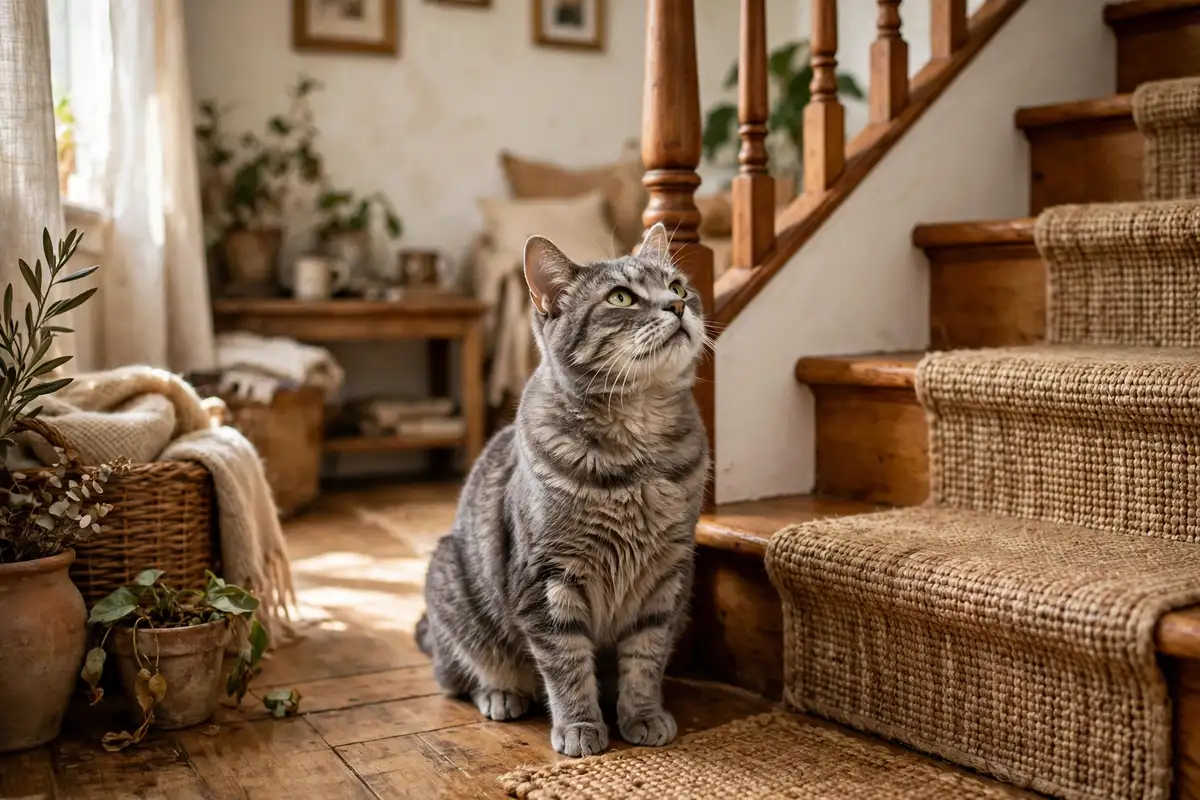
Has your cat stopped jumping onto the bed, started sleeping far more than usual, or begun hesitating before the stairs? These quiet changes are often the first signs of cat arthritis — a painful joint condition that is far more common in older cats than most owners realize. Arthritis in cats rarely looks dramatic. There is usually no obvious limp and no crying out. Instead, your cat simply starts doing less, and it is easy to mistake that slowdown for normal aging.
The good news is that arthritis pain in cats can be managed well once it is recognized. This guide walks you through the 8 most reliable signs of cat arthritis, explains why cats hide joint pain so effectively, and shows what your veterinarian can do — plus simple home changes that can make your cat's daily life noticeably more comfortable.
What Is Arthritis in Cats?
Arthritis in cats, usually called osteoarthritis or degenerative joint disease, happens when the cartilage that cushions a joint wears down over time. Without that cushioning, bones rub more closely together, causing stiffness, inflammation, and pain. The elbows, hips, spine, and knees are the joints most often affected.
Arthritis is most common in cats over 7 years old and becomes very common in senior cats over 12, but it is not limited to old age. Overweight cats carry extra load on their joints, and cats that suffered a fracture, dislocation, or joint injury earlier in life can develop arthritis in that joint years later. Certain breeds, such as Maine Coons and Scottish Folds, are also more prone to joint problems.
Because arthritis develops slowly, many owners adjust to their cat's gradual changes without realizing something is wrong. That is why knowing the specific signs matters so much — catching arthritis early means pain relief can start sooner, and your cat's quality of life improves faster.
8 Signs Your Cat May Have Arthritis
- Jumping less, or not jumping at all. This is the single most common sign of cat arthritis. A cat that used to leap onto the counter, the bed, or a high windowsill now hesitates, climbs in stages, or stops trying altogether. You may notice them pulling themselves up with their front legs, or asking to be lifted. If your cat's favorite high perch is suddenly abandoned, their joints may be the reason.
- Stiffness after rest, especially in the morning. Arthritic cats often move slowly and stiffly when they first get up from a nap, then loosen up after a few minutes of walking. This "morning stiffness" pattern is a classic arthritis clue. In cold or damp weather, the stiffness may be worse, and your cat may take longer to settle comfortably.
- Sleeping much more, and in lower spots. Cats with sore joints conserve energy and avoid effort. If your cat now sleeps most of the day, chooses ground-level spots instead of their usual high perch, or rarely leaves one room, pain may be limiting their movement. Sleeping more is easy to dismiss in an older cat, but a clear change from their normal routine deserves attention.
- Difficulty with stairs or the litter box. Climbing stairs and stepping over a high-sided litter box both demand flexible joints. An arthritic cat may avoid stairs, go up one step at a time, or start having accidents just outside the litter box because stepping over the edge hurts. If litter box accidents appear suddenly in an older cat, do not assume it is a behavior problem — check their joints first.
- Less grooming, or a dull, matted coat. Grooming requires twisting, stretching, and reaching — all painful when joints are sore. Cats with arthritis often stop grooming their back, hips, and tail base, leaving the coat dull, greasy, or matted in those areas. Some cats also over-groom a painful joint, licking one spot raw. Either change in grooming habits is worth mentioning to your vet.
- Changes in mood and temperament. Chronic pain changes personality. A normally friendly cat may become withdrawn, grumpy, or less tolerant of being picked up, stroked along the back, or brushed. Some arthritic cats hiss or flinch when touched in a sore spot. If your cat's temperament has shifted without an obvious cause, pain — not attitude — may be behind it.
- Playing less and moving less overall. A cat that once chased toys, sprinted down the hallway, or wrestled with a housemate may gradually give all of that up. Owners often say their cat "just got lazy with age," but a real loss of interest in play, especially combined with stiffness, is one of the most telling signs of arthritis pain.
- Muscle loss, especially in the back legs. When a joint hurts, a cat uses that leg less, and the muscles around it slowly waste away. You may notice thinner hind legs, a bony feel over the hips or spine, or a slightly different walk — shorter steps, a crouched posture, or a bunny-hop when running. Visible muscle loss means the problem has been present for a while and should be checked promptly.
Why Cats Hide Arthritis Pain So Well
Cats are descended from solitary hunters, and in the wild, showing pain made an animal vulnerable. That instinct survives in every house cat: they do not limp dramatically, cry out, or ask for help the way a dog might. Instead, they quietly adapt — jumping less, resting more, choosing easier routes through the house.
This is why arthritis in cats is so often missed. The signs are subtle behavioral changes rather than obvious symptoms, and they creep in over months. The best tool you have is your knowledge of your cat's normal habits. When a routine changes — a favorite perch abandoned, playtime shortened, grooming neglected — that change itself is the symptom.
How Your Vet Diagnoses and Treats Cat Arthritis
Diagnosis usually starts with your description of what has changed at home, followed by a hands-on exam where the vet gently moves each joint and watches your cat walk. X-rays can confirm joint changes such as worn cartilage, bone spurs, or narrowed joint spaces. In some cases, blood tests help rule out other causes of pain or check that your cat can safely take medication.
There is no cure for arthritis, but treatment can make a real difference. Options your vet may discuss include pain relief medication designed for cats, joint supplements containing glucosamine or omega-3 fatty acids, weight management if your cat is overweight, and, in some cases, a monthly injection that targets arthritis pain. Many owners report their cat acting years younger once proper pain relief begins — jumping, playing, and seeking affection again.
Never give your cat human painkillers. Ibuprofen, paracetamol, and aspirin are toxic to cats and can cause serious organ damage or death, even in small doses. Only use medication your veterinarian has prescribed for your cat.
Simple Home Changes That Help an Arthritic Cat
Small adjustments around the house can reduce daily strain on sore joints:
- Add steps or ramps to the bed, sofa, and favorite windowsills so your cat never has to jump.
- Use a low-sided litter box with an easy entry, placed where your cat does not need to climb stairs.
- Provide warm, soft, supportive bedding on the ground floor, away from drafts.
- Keep food, water, and litter on the same level your cat spends most time on.
- Encourage gentle play — short, slow sessions with a feather wand keep muscles active without overloading joints.
- Help with grooming by gently brushing areas your cat can no longer reach.
- Keep your cat at a healthy weight, since every extra ounce adds load to sore joints.
These changes cost little, but for a cat in pain they can transform an ordinary day from a series of small struggles into something comfortable again.
When to See the Vet
Book a vet visit if you notice any of the signs above, especially if several appear together. See your vet sooner if your cat suddenly cannot walk, cries out when moving, stops eating or drinking, or has a swollen, hot joint. Sudden severe lameness or a leg that will not bear weight at all should be treated as urgent, since it may be an injury rather than arthritis.
Arthritis is a condition to manage, not a reason to give up on your cat's comfort. With the right diagnosis, pain relief, and a few thoughtful home changes, most arthritic cats keep enjoying their favorite routines — a sunny windowsill, a lap, a slow evening play session — for years.
Frequently Asked Questions
What age do cats get arthritis?
Arthritis is most common in cats over 7 years old, and it becomes very common in cats over 12. However, younger cats can develop it too, especially after a joint injury or if they are overweight.
Can cat arthritis be cured?
There is no cure for arthritis, but it can be managed very well. Pain relief, weight control, joint supplements, and home changes can greatly improve a cat's comfort and mobility.
Can I give my cat human painkillers for arthritis?
No. Human painkillers such as ibuprofen and paracetamol are toxic to cats and can be fatal. Only use pain relief prescribed by your veterinarian.
How does a vet diagnose arthritis in cats?
Vets usually diagnose arthritis through a physical exam, a discussion of your cat's behavior at home, and X-rays of the affected joints. In some cases, blood tests help rule out other causes of pain.
Does my arthritic cat need to stay indoors?
Not necessarily. Gentle movement is good for stiff joints. Many arthritic cats still enjoy short, calm outdoor time, but they should have easy access back inside, a warm resting spot, and no need to climb fences or jump from heights.