Early Signs of Kidney Disease in Cats
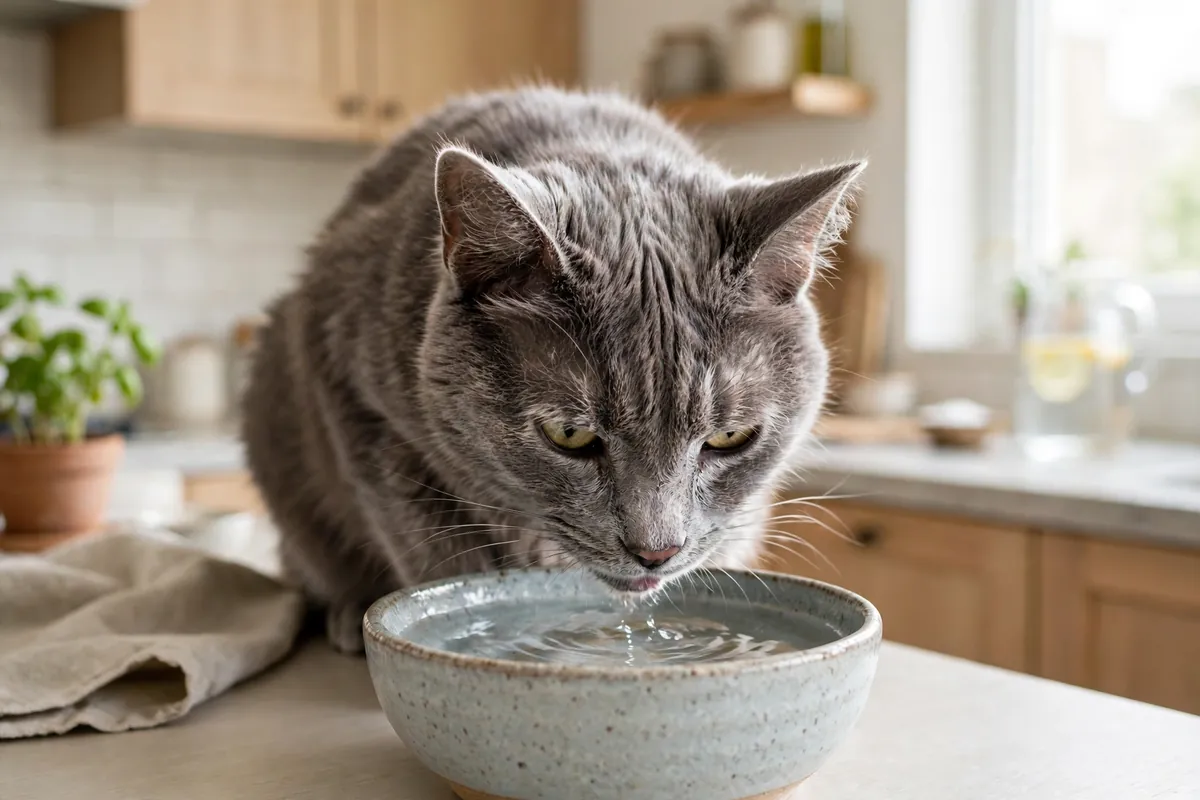
Kidney disease is one of the most common health problems in older cats — and the cruelest thing about it is how quietly it starts. The short answer to "how do I know?" is this: the earliest signs are subtle lifestyle changes — drinking more water, peeing more, eating a little less, and slowly losing weight — that are easy to dismiss as "just getting old."
Here's why early matters: cats' kidneys compensate remarkably well, so by the time obvious symptoms appear, much function may already be lost. But when kidney disease is caught early, diet changes, hydration support, and monitoring can slow progression dramatically — many cats live comfortably for years after diagnosis. Knowing what to watch for is the most powerful thing you can do for a senior cat.
What Kidney Disease Means in Cats
Kidneys do far more than make urine: they filter waste from the blood, balance hydration and electrolytes, regulate blood pressure, and produce hormones for red blood cell production. When we talk about kidney disease in cats, we usually mean chronic kidney disease (CKD) — a gradual, irreversible decline in kidney function over months or years.
CKD is overwhelmingly a disease of older cats, growing common from around age 7 and a leading cause of illness past age 10. The cause is often never identified — usually cumulative aging, sometimes following kidney infection, toxins, high blood pressure, or dental disease. Certain breeds, including Persians, can inherit polycystic kidney disease. The critical fact: kidneys can lose around two-thirds of function before blood tests show anything abnormal — so the first clues come from your observations at home, not lab work.
The Early Signs to Watch For
Kidney disease signs creep in gradually. No single one proves kidney trouble, but several together deserve a vet visit:
- Drinking more water. Often the very first sign. As kidneys lose concentrating ability, the cat urinates more dilute urine and drinks more to compensate — the bowl empties faster, or the cat discovers dripping taps.
- Urinating more — larger clumps. More water in means more urine out: bigger, heavier litter clumps or more frequent box trips.
- Gradual weight loss. The cat looks thinner over weeks even while eating okay. Run your hands along ribs and spine monthly — more prominent bones are a signal.
- Appetite changes. Eating less, getting pickier, occasionally skipping meals. Waste buildup causes nausea, and some cats develop mouth ulcers that make eating uncomfortable.
- Occasional vomiting. Not dramatic daily vomiting at first — just throwing up more often than used to be normal, as uremic toxins accumulate.
- Bad breath. An ammonia-like or unusually foul odor can occur as urea builds up in the blood. Persistent breath changes are worth mentioning to your vet.
- Lethargy. Less interest in play, sleeping more, seeming "quieter" — easy to misattribute to aging, but one of the most common early flags.
- Dull coat. Less careful grooming and a rough or greasy coat suggest the cat feels nauseous or too tired for its usual standards.
Seeing two or more of these in a cat over 7? Don't wait — book a checkup. Early kidney disease is found far more often because an owner noticed the water bowl than because the cat looked sick. More warning signs are covered on our cat health hub.
Why Early Detection Changes Everything
Kidney disease can't be cured — damaged kidney tissue doesn't regenerate. But here's the genuinely hopeful part: progression can usually be slowed substantially, and cats diagnosed early often enjoy years of good quality life.
Supporting the remaining healthy tissue works best when started early: waste load reduced through diet, hydration improved, blood pressure controlled, complications managed before they spiral. Late diagnosis often means the cat is already dehydrated, nauseous, and losing weight — a much harder starting point. That's why vets recommend bloodwork annually from age 7, every 6 months past 10 or 11: routine screening catches disease in the window where management works best, sometimes before you notice a single symptom.
How Vets Diagnose Kidney Disease
Diagnosis combines blood tests, urine tests, and sometimes imaging:
- Bloodwork — kidney values. The vet measures creatinine and BUN, waste products that rise as function declines, plus often SDMA, a newer marker that can rise months before traditional values budge. Bloodwork also reveals anemia, high phosphorus, and electrolyte imbalances.
- Urinalysis — urine concentration. Just as important as bloodwork. The vet measures urine specific gravity (USG): persistently dilute urine is a hallmark finding. It also checks for protein loss, blood, and bacteria.
- Blood pressure. Kidney disease and hypertension feed each other, and high blood pressure damages eyes, brain, and heart — so it's routinely checked in seniors.
- Imaging (sometimes). Ultrasound or X-rays can reveal small or irregular kidneys, stones, or cysts, and rule out blockages or tumors.
- Staging. Vets classify CKD into stages 1–4 with sub-stages for protein loss and blood pressure — a roadmap that determines which treatments make sense.
One round of tests rarely tells the whole story; vets often recheck in a few weeks to confirm the pattern. If your vet suggests senior screening bloodwork, say yes — it's the highest-value test in older-cat medicine. See Purrfect Paws for more senior cat health guidance.
Managing Kidney Disease: Diet, Hydration, and Monitoring
Management is a partnership between you, your vet, and your cat — nothing here replaces veterinary guidance:
- Veterinary kidney diets. Prescription renal diets are the best-studied intervention in feline CKD: controlled protein, restricted phosphorus, omega-3s, and B vitamins — shown to slow progression. Transition over 1–2 weeks; warming the food slightly helps acceptance.
- Hydration first. CKD cats lose more water in dilute urine. Help with a cat water fountain (many cats drink more from moving water), multiple bowls around the house, and wet food (75–80% water vs ~10% in dry). Some vets teach at-home subcutaneous fluids in later stages.
- Medications as prescribed. Depending on stage: phosphate binders, blood pressure drugs, anti-nausea medication, appetite stimulants, or anemia treatments. Give exactly as directed — kidney patients are sensitive to changes.
- Track weight and appetite. Weigh every 2–4 weeks and keep a log. Trends reveal more than single weighings.
- Regular rechecks. Bloodwork and blood pressure every few months, more often after treatment changes, so the plan adjusts before problems snowball.
- Comfort care. Warm resting spots, low-sided litter boxes for stiff seniors, gentle routines. A comfortable cat eats better and stresses less.
Quality of life is the true measure of success — many owners say their cat seems years younger once treatment starts. That's the payoff of catching it early.
Prevention and Monitoring for Senior Cats
- Annual vet visits from age 7, twice yearly after 10–11 — with bloodwork and urinalysis, not just a physical exam.
- Balanced diet and constant fresh water. Wet food as part of the diet supports lifetime hydration.
- Keep teeth healthy. Chronic dental disease seeds bacteria into the bloodstream that can damage kidneys — dental care is kidney care.
- No human medications (many harm kidneys); keep lilies, antifreeze, and other nephrotoxins out of the home.
- Know your cat's normals. Daily water intake, litter clump size, usual weight. When you know normal, abnormal announces itself.
Kidney disease is common, but it is not a death sentence — it's a manageable chronic condition, and early detection separates the cats who thrive from those who struggle. Watch the water bowl, weigh the cat, and keep those senior checkups on the calendar.
Frequently Asked Questions
At what age should I start worrying about kidney disease?
Risk rises from around age 7 and climbs steeply after 10. Routine kidney screening (bloodwork plus urinalysis) is most valuable starting at age 7, moving to twice-yearly checks after 10 or 11.
Can kidney disease in cats be cured?
No — damaged kidney tissue doesn't regenerate. But it can usually be managed very successfully: prescription diet, hydration support, and medications for complications slow progression, and many cats live comfortably for years after diagnosis.
How much water should my cat drink per day?
Roughly 50 ml per kilogram of body weight daily from all sources — a 4 kg cat needs about 200 ml total, much of it from food for wet-food eaters. More useful: know your cat's normal. A sustained increase in drinking warrants a vet visit.
Is dry food bad for my cat's kidneys?
Dry food doesn't cause kidney disease, but its ~10% moisture (vs 75–80% in wet food) means cats must drink more to stay hydrated — and cats are naturally poor drinkers. Including wet food is a sensible hydration strategy, especially for seniors.
My cat drinks a lot but seems perfectly fine — should I worry?
Increased thirst is the most common earliest sign of kidney disease — and "seems fine" is exactly how early disease looks. It can also signal diabetes or hyperthyroidism. A simple blood test and urinalysis will sort it out, so book a checkup rather than waiting.