Cat Asthma: 6 Signs Your Cat Can’t Breathe Well
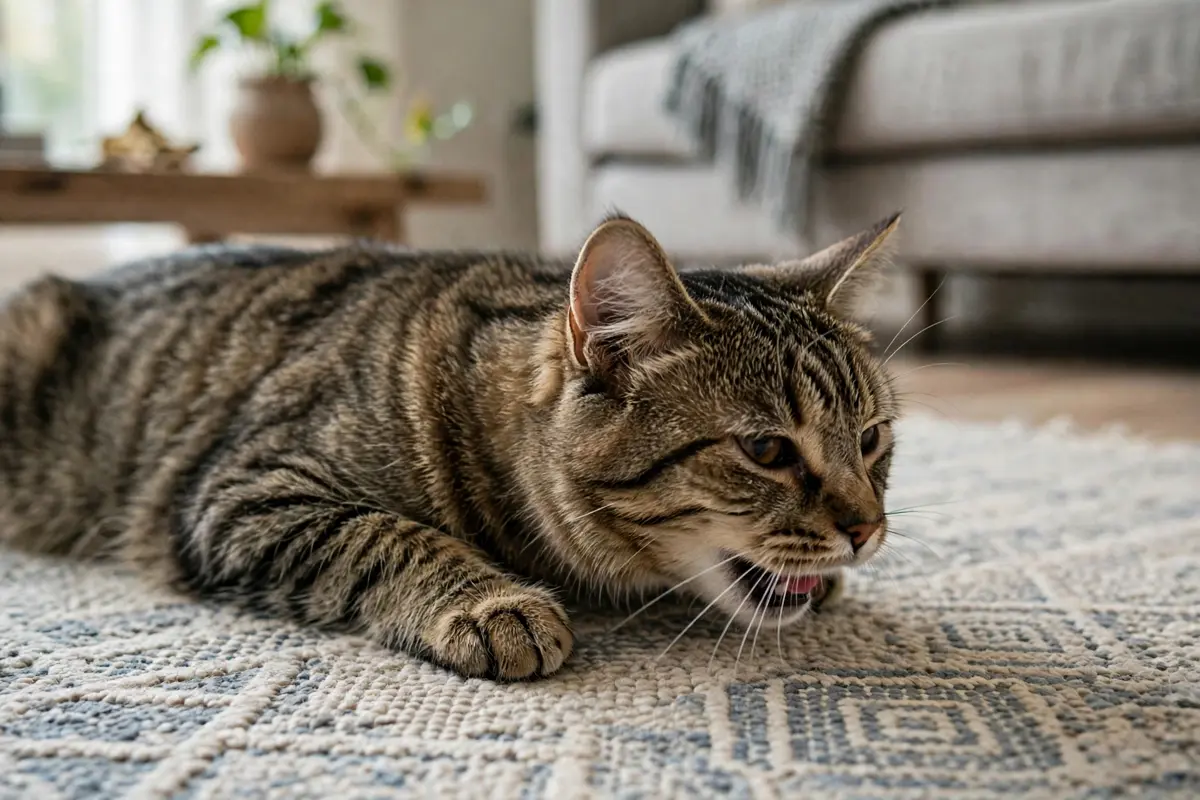
That strange honking cough in the middle of the night is one of the most unsettling sounds a cat owner can hear. Your cat crouches low, stretches her neck out, and hacks as if trying to bring up a hairball — but nothing ever comes out. If that sounds familiar, feline asthma is one of the most likely explanations, and it is far more common than most people realize.
Cat asthma is a chronic inflammation of the airways that narrows the tiny breathing tubes in the lungs. It cannot be cured, but it can be managed very successfully — most asthmatic cats live completely normal lives once their condition is diagnosed and treated. This guide walks you through the 6 tell-tale signs, the most common triggers hiding in your home, exactly what to do during an attack, and how vets keep it under control.
What Exactly Is Feline Asthma?
Feline asthma is essentially the same disease as human asthma. When a susceptible cat inhales an irritant — dust, pollen, cigarette smoke, scented litter dust — the immune system overreacts. The airways swell, produce excess mucus, and the muscles around them tighten. The result: air struggles to get in and out of the lungs.
It typically appears in young adult cats (ages 2 to 8), and Siamese cats seem more prone to it. It is not contagious — your other pets and family members cannot catch it. And while "asthma" sounds alarming, it is one of the most treatable respiratory conditions in cats when owners learn to spot it early.
6 Signs Your Cat May Have Asthma
- A honking cough that mimics a hairball. This is the hallmark sign. Your cat crouches low to the ground, extends the neck forward, and produces a dry, hacking cough — owners almost always describe it as "trying to cough up a hairball but nothing comes up." Real hairball attempts are occasional; asthma coughs tend to repeat in bouts, sometimes several times a day.
- Wheezing, especially when breathing out. Listen closely after a coughing fit. A faint whistling or wheezy sound as your cat exhales means air is squeezing through narrowed airways. You may need to hold your ear near (not on) your cat's chest to hear it. Any persistent wheeze deserves a vet visit.
- Rapid or labored breathing at rest. A healthy resting cat takes roughly 15 to 30 breaths per minute. If you notice your cat's sides heaving, the belly visibly pumping with each breath, or a resting rate consistently above 30, the lungs are working too hard. Count breaths while your cat is calmly asleep — not after play — for an accurate number.
- Open-mouth breathing or panting. Cats almost never pant the way dogs do. A cat that sits with its mouth open and tongue out, especially after only mild activity or at rest, is struggling to get enough air. This is always a red flag — during an asthma flare, treat it as an emergency.
- Neck stretched out, body hunched. Asthmatic cats often adopt a characteristic posture during or after coughing: crouched low, elbows out, neck extended straight forward. This position straightens the windpipe and makes breathing marginally easier. If your cat holds this pose repeatedly, photograph or video it for your vet — it is genuinely diagnostic.
- Lethargy and a blue or gray tint to the gums. Chronic low oxygen leaves cats tired and reluctant to play. In a severe attack, the gums or tongue can turn bluish-gray instead of healthy pink — a sign of dangerous oxygen deprivation. Pale or blue gums mean go to the emergency vet immediately, not tomorrow.
What Triggers an Asthma Attack in Cats?
Most attacks are set off by something in the cat's environment. The usual suspects include:
- Dusty or strongly scented cat litter. Clay litters that puff up clouds of dust with every dig are one of the top triggers. Scented litters add fragrance chemicals on top of the dust.
- Cigarette or vape smoke. Secondhand smoke irritates feline airways badly, and asthmatic cats are especially sensitive.
- Household sprays and scents. Air fresheners, scented candles, plug-in diffusers, strong cleaning products, and even heavy perfumes can set off an episode.
- Dust and pollen. Dusty carpets, uncleaned vents, and seasonal pollen drifting through open windows can all provoke the airways.
- Stress and excitement. A stressful event — visitors, a move, a new pet — can trigger coughing in some asthmatic cats.
- Obesity. Extra weight presses on the chest and makes every breath harder; overweight asthmatic cats tend to have more frequent, more severe attacks.
What to Do During an Asthma Attack
A mild coughing bout usually passes on its own within a minute or two. Stay calm — your cat takes emotional cues from you — and follow this simple playbook:
Do:
- Keep the room quiet and still. Let your cat stay in whatever crouched position she chose; do not pick her up or restrain her.
- Make sure the air is clear — no cooking smoke, sprays, or candles nearby.
- Note how long the episode lasts and how often it happens; this log is gold for your vet.
- If your vet has prescribed a rescue inhaler (usually albuterol with a feline spacer mask), use it exactly as demonstrated.
Don't:
- Do not blow in your cat's face or try to "help" her cough something up.
- Never give human asthma inhalers without a vet's prescription and a proper cat-sized spacer — the dosage and delivery are completely different.
- Do not assume a severe attack will pass. Open-mouth breathing, gasping, or blue gums mean emergency vet care right now.
How Vets Diagnose and Treat Cat Asthma
There is no single blood test for asthma, so diagnosis is a process of ruling things out. Expect chest X-rays (asthmatic lungs often show a characteristic pattern), and possibly tests to rule out heartworm, lungworm, or respiratory infections that mimic asthma. Video of a coughing episode is enormously helpful — bring one to the appointment.
Treatment usually has two parts. Controller medication — typically an inhaled steroid like fluticasone delivered through a feline inhaler mask (the AeroKat spacer is the standard) — keeps everyday inflammation down. Rescue medication — usually albuterol — opens the airways fast during a flare. For more background on respiratory issues, browse the rest of our Cat Health guides, and start with the Purrfect Paws homepage if you are new here.
Creating an Asthma-Friendly Home
Medication works best when triggers are reduced at the same time:
- Switch to a low-dust, unscented litter (paper, wood, or silica-based options tend to be gentlest).
- Keep the home smoke-free and retire plug-in air fresheners and scented candles.
- Vacuum with a HEPA-filter machine and wash bedding regularly to keep dust down.
- Use unscented cleaning products, and keep your cat out of the room until surfaces are dry.
- Keep your cat at a healthy weight — even a small amount of weight loss can noticeably ease breathing.
Cat asthma can feel frightening the first time you witness an attack, but it is one of the most manageable chronic conditions in feline medicine. Learn the signs, tame the triggers, and partner with your vet — and your cat can breathe easy for years to come.
Frequently Asked Questions
Can cats develop asthma at any age?
Asthma most often appears in young adult cats between 2 and 8 years old, but it can develop earlier or later. Kittens with persistent coughing should be checked for infections and parasites first, since true asthma is less common in very young cats.
Is cat asthma the same as human asthma?
The disease process is very similar — inflamed, twitchy airways triggered by inhaled irritants. The main difference is treatment delivery: cats use a special spacer mask (like the AeroKat) fitted over the muzzle instead of a human-style inhaler mouthpiece.
Is feline asthma contagious to other pets or people?
No. Asthma is an individual immune overreaction, not an infection. Your other cats, dogs, and family members cannot catch it from an asthmatic cat.
Can cat asthma be cured?
There is no cure, but it is highly manageable. With daily controller medication and trigger control, most asthmatic cats have few or no attacks and live full, active lives. It is a condition to manage, not a sentence.
My cat coughs like she has a hairball but nothing comes up — is it asthma?
That exact description — a dry, honking cough with the neck stretched low and nothing produced — is the classic presentation of feline asthma. Occasional real hairballs are normal, but repeated dry coughing bouts deserve a veterinary check.