Cat Sneezing: Causes and When to See a Vet
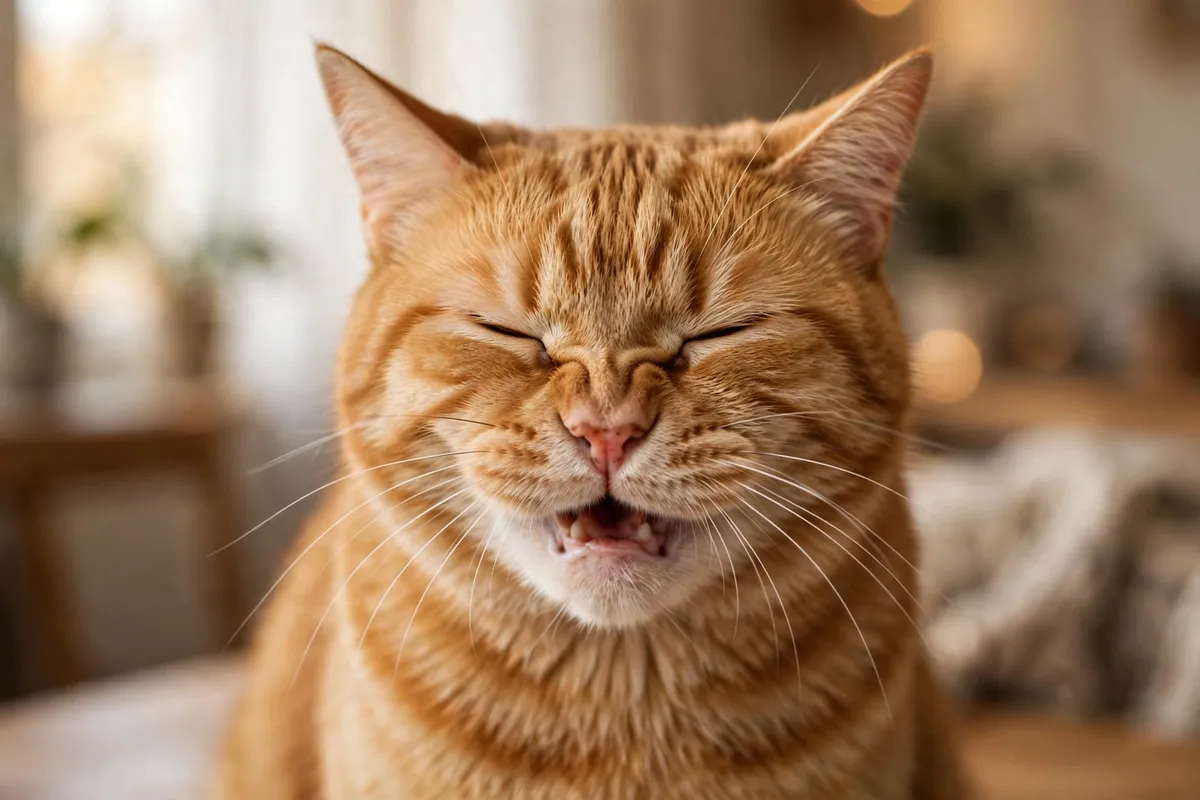
An occasional sneeze from your cat is perfectly normal — a bit of dust, a whiff of litter, or a tickle in the nose can set off anyone. But when sneezing becomes frequent, comes in fits, or shows up alongside a runny nose and watery eyes, it is usually a sign of something more specific: a cat cold (upper respiratory infection), allergies, or an irritant in your home. The good news is that most causes of cat sneezing are manageable, and many resolve with simple home care.
The key is learning to read the clues. A single dry sneeze after digging in the litter box means something very different from a week of wet, congested sneezes. This guide breaks down every common cause of sneezing in cats, how to tell harmless sneezes from worrying ones, safe home care, and exactly when to call the veterinarian.
Is Sneezing Normal in Cats?
Yes — within limits. Cats sneeze for the same reason we do: to clear an irritant from the nasal passages. A healthy cat might sneeze once or twice after sniffing something dusty, after a vigorous grooming session stirs up loose fur, or when a bit of litter dust goes up the nose. These one-off sneezes, with no discharge and no change in behavior, are nothing to worry about.
What is not normal is pattern sneezing: repeated sneezing fits, sneezing several times a day for multiple days, sneezing with any kind of nasal discharge, or sneezing combined with other symptoms like watery eyes, lethargy, or a reduced appetite. Think of it as a spectrum — one sneeze is a curiosity, a sneeze streak is a message worth decoding.
The Most Common Causes of Cat Sneezing
The causes fall into a handful of familiar categories, roughly in order of how often they show up:
- Upper respiratory infections ("cat colds"). The number one cause of persistent sneezing. Feline herpesvirus and feline calicivirus are the usual culprits — they spread between cats and cause sneezing, congestion, runny eyes, and sometimes mouth ulcers. Most cats recover in one to three weeks with supportive care, though herpesvirus can hide in the body and flare up again during stressful times.
- Allergies. Cats can be allergic to pollen, dust mites, mold, and even certain ingredients in food or treats. Allergy sneezes are typically dry, come with clear watery discharge and itchy skin or ears, and often follow a seasonal pattern or a household change (new detergent, new litter, new air freshener).
- Environmental irritants. Perfume, scented candles, essential oil diffusers, cigarette smoke, cleaning sprays, and dusty or strongly scented cat litter are all notorious sneeze triggers. If your cat's sneezing started shortly after you introduced something new to the home, you may have found your culprit.
- Foreign objects. A blade of grass, a bit of plant material, or a crumb of food lodged in a nasal passage can cause sudden, violent, one-sided sneezing. This is more common in curious cats that love sniffing everything on walks or in the garden.
- Dental problems and nasal growths. The roots of a cat's upper teeth sit very close to the nasal passages, so a tooth root abscess can cause chronic sneezing, sometimes from just one nostril. Persistent one-sided sneezing with bloody or foul-smelling discharge in a middle-aged or older cat deserves a veterinary exam to rule out dental disease or nasal polyps.
Cat Colds: Feline Herpesvirus and Calicivirus Explained
When people say their cat "has a cold," they usually mean a feline upper respiratory infection. The two main viruses behind it — feline herpesvirus (FHV-1) and feline calicivirus (FCV) — are extremely common, especially in cats that came from shelters, catteries, or multi-cat households. They spread through sneezed droplets, shared food bowls, bedding, and even on your hands and clothes.
A typical cat cold looks like this: sneezing fits, a runny or stuffy nose, watery or goopy eyes, maybe a mild fever and a dip in appetite because everything smells like nothing when the nose is blocked. Most otherwise healthy adult cats shake it off in one to three weeks with rest, fluids, and tempting food.
Two things are worth knowing. First, feline herpesvirus never truly leaves the body — it retreats into nerve cells and can reactivate during stress, causing another round of sneezing months later. Second, the core FVRCP vaccine that kittens receive protects against both of these viruses and makes any illness far milder — one more reason to keep vaccinations current.
Good news for your household: you cannot catch a cat cold, and your cat cannot catch your cold. Human cold viruses and feline respiratory viruses are species-specific.
Cat Allergies vs. Irritants: How to Tell the Difference
Allergies and irritants both make cats sneeze, but they behave differently — and the distinction matters because the fix is different.
Allergies involve the immune system overreacting to something harmless. Clues that point to allergies: sneezing that follows a seasonal pattern (worse in spring when pollen is high), sneezing plus itchy skin, ear scratching, or watery eyes, and symptoms that linger for weeks. Environmental allergies are the most common type in cats, though food sensitivities can occasionally play a role.
Irritants are simpler: something in the air is physically bothering the nose. The biggest offenders in homes are scented litters and dusty clay litters, plug-in air fresheners and scented candles, essential oil diffusers (several essential oils are genuinely dangerous to cats, not just sneeze-inducing), cigarette or vape smoke, and strong cleaning products. The tell-tale sign of an irritant is timing — sneezing that starts or worsens right after the litter box is cleaned, after you light a candle, or when someone sprays perfume nearby.
The detective work is straightforward: remove the suspect product for a week — switch to unscented, low-dust litter, ditch the plug-ins — and see if the sneezing fades. If it stops, you have your answer.
Warning Signs: When Sneezing Is Not Normal
Pay attention to what comes with the sneeze. Any of these companions turn a sneeze from "keep an eye on it" into "call the vet":
- Colored or bloody discharge. Clear, watery mucus is the least concerning. Yellow, green, thick, or foul-smelling discharge suggests bacterial infection, and any blood (beyond a single tiny speck from a hard sneeze) needs a vet's look.
- One-sided symptoms. Sneezing and discharge from only one nostril for more than a day or two can indicate a foreign object, a tooth root problem, or a nasal polyp.
- Eye involvement. Watery, squinting, or goopy eyes alongside sneezing are classic for respiratory infection — eyes crusted shut is a clear vet-visit signal.
- Appetite loss. Cats that cannot smell cannot enjoy food, and cats that stop eating can develop liver problems within a couple of days. A sneezing cat that skips meals for more than 24 hours needs to be seen.
- Lethargy, fever, or breathing changes. Hiding, unusual sleepiness, open-mouth breathing, wheezing, or rapid breathing alongside sneezing all point to something that needs professional attention.
Home Care for a Sneezing Cat
If your cat is sneezing but otherwise bright — eating, drinking, playing, grooming — supportive home care is usually all that is needed while you watch and wait:
- Humidify the air. Dry air worsens congestion. Run a cool-mist humidifier near (not pointed at) your cat's favorite resting spot, or let them sit in a steamy bathroom for 10–15 minutes while you run a hot shower. Moist air loosens mucus and makes breathing easier.
- Keep the nose and eyes clean. Gently wipe away discharge with a soft, warm, damp cloth or cotton pad. Never use tissues with lotion or fragrances, and never poke anything into the nostrils.
- Make food smell irresistible. A congested cat eats with its nose first — warm wet food slightly to release aroma and offer strong-smelling favorites like fish-based food.
- Reduce airborne irritants. Switch to unscented, low-dust litter, skip the scented candles and sprays for now, and keep the home ventilated. This helps whether the cause is infection or irritation.
- Isolate and keep things calm. If infection is suspected, give the sick cat separate bowls, litter boxes, and bedding, keep routines predictable, and avoid big changes — stress is a known trigger for herpesvirus flare-ups.
Do not give your cat human cold medicines, decongestants, or antihistamines unless your veterinarian specifically prescribes them. Many contain ingredients that are toxic to cats, and dosing designed for humans is dangerous for a small animal.
When to See the Vet About Cat Sneezing
Call your veterinarian if any of the following apply:
- Sneezing persists for more than 7–10 days without improvement.
- Discharge is yellow, green, bloody, or foul-smelling.
- Your cat has stopped eating for more than 24 hours (12 hours for kittens).
- There is labored breathing, open-mouth breathing, or wheezing.
- The patient is a kitten, a senior cat, or a cat with a chronic condition like FIV.
- Sneezing is one-sided and persistent, suggesting a foreign body or dental issue.
- Your cat is lethargic, hiding, or running a fever.
Frequently Asked Questions
Why does my cat keep sneezing but seems fine otherwise?
An occasional sneeze with no other symptoms is usually just dust, litter particles, or a mild irritant. Cats that sneeze repeatedly but still eat, drink, play, and groom normally are most often reacting to something in their environment. Track how often it happens and look for patterns, such as sneezing right after the litter box is cleaned.
Can cats catch colds from humans?
No. The viruses that cause the common cold in humans do not infect cats, and feline respiratory viruses do not infect people. However, cats can catch colds from other cats through shared bowls, bedding, or close contact, especially in multi-cat homes and shelters.
How can I tell if my cat's sneeze is from allergies or an infection?
Allergy sneezes usually come with clear, watery discharge and are linked to a trigger such as dusty litter, scented candles, or pollen season, while the cat stays active and hungry. Infection sneezes tend to produce thicker yellow or green discharge and come with lethargy, reduced appetite, watery eyes, or congestion. When in doubt, your vet can tell you which it is.
Is it normal for kittens to sneeze?
Kittens sneeze for the same reasons adult cats do, but their small airways and developing immune systems make them more vulnerable. A kitten that sneezes repeatedly, stops nursing or eating, or develops eye or nose discharge should see a vet promptly, because kittens can dehydrate and decline quickly.
Can I give my cat antihistamines or cold medicine?
Never give human cold or allergy medicines to your cat unless your veterinarian specifically prescribes them. Many human products contain decongestants or painkillers that are toxic to cats. Some vets do prescribe certain antihistamines for cats, but the drug, dose, and duration must come from your vet.