Cat Diabetes: 7 Signs
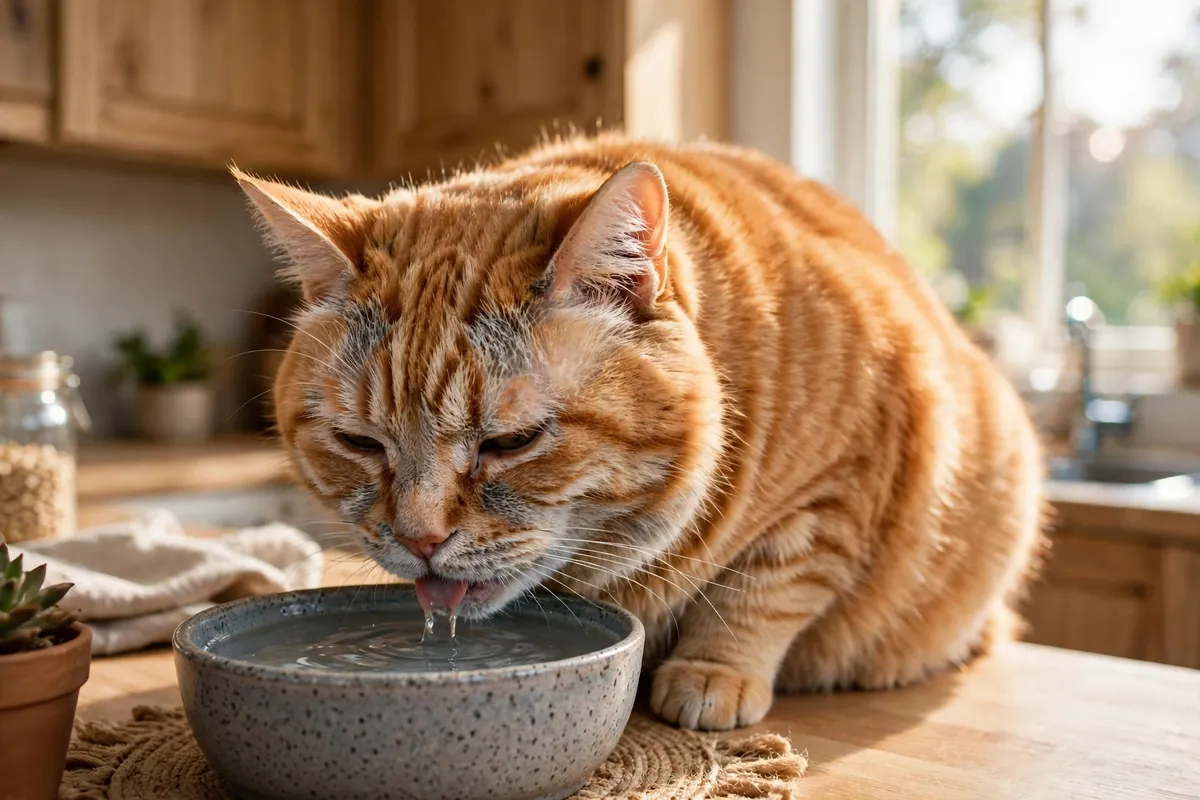
Cat diabetes symptoms often creep in quietly. Diabetes happens when a cat's body cannot make enough insulin, or cannot use insulin properly, so sugar builds up in the blood instead of fueling the body. The earliest clues usually show up at home — at the water bowl and litter box — long before a cat looks seriously ill. These 7 signs help you spot them early, when treatment tends to work best.
Cats are experts at hiding illness, so diabetes is easy to miss at first. A cat may simply seem a little thirstier, hungrier, and sleepier than usual — none of which screams emergency, which is why this condition is often diagnosed late. Knowing what to watch for gives your cat the best chance of a good outcome.
What Is Feline Diabetes?
After a cat eats, food is broken down into glucose, a sugar fueling the body's cells. Insulin, made by the pancreas, acts like a key letting glucose into those cells. In diabetes, that system breaks down: the pancreas makes too little insulin, or the cells stop responding to it. Glucose then stays in the bloodstream, damaging organs over time, while cells go short of energy.
Most cats develop a form similar to type 2 diabetes in people, driven mainly by insulin resistance. That is encouraging: the condition is often manageable — and sometimes goes into remission — with insulin, diet, and weight control under veterinary supervision.
The 4 Signs Owners Notice First at Home
These four changes are the ones cat parents usually spot first. If you notice two or more together, book a vet visit rather than waiting.
- Drinking much more water. A diabetic cat drinks to flush excess sugar through the kidneys. You may refill the water bowl far more often, or notice your cat drinking from taps or sinks previously ignored. A sudden increase in thirst is a reliable early warning.
- Urinating more often, in larger amounts. Extra drinking leads to extra urination, and diabetic cats often produce noticeably larger litter box clumps. Some start urinating outside the box because they cannot hold it — which owners sometimes mistake for a behavior problem.
- Eating more but losing weight. Because their cells are starved of glucose, diabetic cats often feel ravenous and beg constantly. Yet despite eating more, they lose weight, as the body breaks down fat and muscle for energy instead. A hungry cat getting thinner is a classic red flag.
- Sleeping more and playing less. Low energy is easy to dismiss, especially in older cats. But a cat that gradually stops playing, hides more, or seems dull about things they once loved may be short on usable energy. Judge it over a week or two, not a single sleepy day.
3 More Signs of Cat Diabetes to Watch For
- Plantigrade stance — walking flat on the hocks. This is the most distinctive sign of advanced feline diabetes. Nerve damage from prolonged high blood sugar weakens the hind legs, so instead of walking on tiptoe, the cat walks flat on the hock, the back ankle joint, in a low, wobbly gait. See a vet promptly if you notice this — the nerve damage often improves once treatment begins.
- A dull, unkempt coat. Diabetic cats often stop grooming properly; their coat may look greasy, matted, or rough, especially along the back. With weight loss and lethargy, a sudden grooming decline strongly hints at something medical, not just old age.
- Recurring infections or slow-healing wounds. High blood sugar weakens immunity and slows healing. Urinary tract infections are particularly common in diabetic cats, and a lingering wound or returning infections deserve a blood sugar check.
Causes and Risk Factors for Cat Diabetes
No single cause explains every case, but several risk factors raise the odds. Being overweight is the biggest one: excess body fat increases insulin resistance, which is why indoor, less active cats are at higher risk. Middle-aged and older cats are affected most, as are males and Burmese cats.
Other contributors include long-term steroid medications, chronic pancreas inflammation, and a high-carbohydrate diet. None guarantees diabetes, but a cat with several risk factors deserves closer attention to the early signs above. A healthy weight and daily play are the most practical preventive steps.
Diabetes vs Hyperthyroidism vs Kidney Disease
Diabetes shares symptoms with two other common conditions in older cats, so a vet visit and blood tests matter — you cannot reliably tell them apart at home:
| Feature | Diabetes | Hyperthyroidism | Kidney disease |
|---|---|---|---|
| Appetite | Increased, yet weight loss | Markedly increased, yet weight loss | Usually decreased |
| Thirst and urination | Both greatly increased | Mildly increased | Both greatly increased |
| Activity level | Low energy, sleepy | Restless, hyperactive | Low energy, sleepy |
| Distinctive clue | Plantigrade stance (flat hocks) | Fast heartbeat, agitation | Bad breath, nausea, vomiting |
| Typical age | Middle-aged and older | Older cats, usually over 10 | Older cats |
The overlap is real: thirst and urination rise in both diabetes and kidney disease, and weight loss with a big appetite in both diabetes and hyperthyroidism. That is why guessing from symptoms alone is risky — only blood and urine tests confirm the diagnosis.
How Vets Diagnose Cat Diabetes
Diagnosis starts with a physical exam and a discussion of symptoms, so bring notes about water intake, litter box changes, and appetite. Blood glucose will be high, and glucose may appear in the urine too. Because clinic stress can temporarily raise blood sugar, vets often add a fructosamine test reflecting recent average blood sugar.
Your vet may also check for concurrent problems, such as urinary tract infection or kidney disease, common alongside diabetes. Once confirmed, the vet will talk through insulin options, diet, and a monitoring schedule for your cat.
Treatment Overview: Insulin, Diet, and Monitoring
Most diabetic cats need insulin injections, usually twice a day, using a very fine needle under the skin. Most tolerate them surprisingly well once owners get into a routine. Your vet will demonstrate the technique and start conservatively, adjusting from blood sugar readings.
Diet matters too. Vets commonly recommend high-protein, low-carbohydrate food, often wet food, to stabilize blood sugar and support weight loss where needed, with feeding times coordinated with injections. Home monitoring — thirst, appetite, weight, litter habits, plus periodic vet checks — lets the vet fine-tune the dose safely. Never adjust insulin on your own: too much can cause dangerously low blood sugar.
Living With a Diabetic Cat: Home Care and Remission
Daily life with a diabetic cat settles into a manageable routine: injections at set times, consistent meals, fresh water, and a litter box you keep an eye on. Log appetite, water intake, weight, and energy — it helps your vet spot trends earlier than memory. Short play sessions help with weight control too.
Some cats achieve remission: blood sugar returns to normal and they no longer need insulin, at least for a time. Remission is most likely when diabetes is caught early and treated promptly. It is never guaranteed, and it is not a cure — a cat in remission still needs monitoring, diet, and weight control, because diabetes can return.
When to Call the Vet: Red-Flag Checklist
Contact your veterinarian the same day, or an emergency clinic after hours, if you notice any of the following:
- Your cat has stopped eating for over 24 hours (12 hours for a kitten).
- Vomiting, diarrhea, or complete refusal of water.
- Walking flat on the hocks, weakness, or collapse.
- Rapid, labored, or open-mouthed breathing while resting.
- Extreme lethargy, hiding, unresponsiveness.
- Low blood sugar in a cat on insulin: trembling, disorientation, wobbliness, or seizures — an emergency.
- A sweet or fruity breath smell, which can signal a dangerous complication called ketoacidosis.
When in doubt, call — vets would far rather check a cat early than treat a crisis.
Frequently Asked Questions
Can cat diabetes be cured?
Some cats go into remission, no longer needing insulin for a time, especially when diabetes is caught early. Remission is never guaranteed, and a cat in remission still needs monitoring because diabetes can return.
What is the most common first sign of diabetes in cats?
Increased thirst and larger, more frequent urination are usually the first signs owners notice — more refills and much bigger litter box clumps.
Is diabetes in cats painful?
Diabetes itself does not usually cause obvious pain, but hind-leg nerve damage can make walking uncomfortable, and untreated diabetes can make a cat feel very unwell. Prompt treatment usually improves comfort quickly.
Can an overweight cat avoid diabetes by losing weight?
Weight loss reduces risk and can improve blood sugar control, but it does not guarantee prevention or cure. Any weight-loss plan must be gradual and vet-supervised, because rapid weight loss can trigger serious liver disease.
How is cat diabetes diagnosed?
Vets use blood and urine tests together, often including a fructosamine test reflecting average blood sugar over recent weeks. One high reading alone is not enough — clinic stress can temporarily raise blood sugar.