Why Is My Cat Losing Weight? 8 Causes
If your cat's ribs have become easy to feel or their collar hangs looser than it used to, you are right to pay attention. Unexplained weight loss in cats is one of the most common early warning signs of illness — and one of the easiest to miss, because it usually happens gradually over weeks or months. A healthy adult cat's weight should stay fairly stable; noticeable, unintentional loss almost always deserves a veterinary checkup. The causes range from the easily fixable, like intestinal parasites or dental pain, to chronic conditions such as hyperthyroidism, diabetes, and kidney disease that need ongoing management. Below are the 8 most common reasons cats lose weight, how to spot them, and what to do next. For more feline health topics, see our Cat Health guides, or browse everything from the Purrfect Paws homepage.
Before worrying, it helps to know what normal looks like. Most indoor cats weigh between 8 and 12 pounds depending on breed and frame — a petite Siamese and a big Maine Coon simply have different healthy weights. A fluctuation of a few ounces across seasons is normal, especially in cats that get outdoor time. The red flag is a steady downward trend, or a loss of roughly 10 percent or more of body weight without any deliberate diet change. Because cats hide illness well, the scale often catches problems before your eyes do.
8 Common Causes of Weight Loss in Cats
1. Hyperthyroidism
The number-one cause of weight loss in middle-aged and senior cats. An overactive thyroid gland — usually from a benign growth on the gland — cranks the metabolism into overdrive. The classic picture is a cat that eats ravenously yet keeps getting thinner, often paired with restlessness, a racing heart, vomiting, and an unkempt coat. It is very common in cats over 10 and is diagnosed with a simple blood test. Treatment options include daily medication, prescription diet, or radioiodine therapy, and most cats do well once treated.
2. Chronic Kidney Disease
Kidney disease is extremely common in older cats and often announces itself through weight loss. As the kidneys lose filtering ability, toxins build up and cats feel nauseous, eat less, drink much more water, and urinate more frequently. You may also notice bad breath with an ammonia-like smell and a dull coat. It cannot be cured, but early diagnosis allows diets, fluids, and medications that can slow its progress and keep cats comfortable for a long time.
3. Diabetes Mellitus
Diabetic cats cannot use sugar properly, so despite eating, their bodies effectively starve — and they lose weight. It is most common in overweight, middle-aged male cats. Watch for the trio of excessive thirst, excessive urination, and weight loss, sometimes with weakness in the back legs or unusually sweet-smelling breath. Many cats are managed successfully with insulin injections and diet changes, and some even go into remission.
4. Gastrointestinal Disease
Inflammatory bowel disease (IBD), food intolerances, and other gut disorders prevent cats from absorbing nutrients properly. These cats may vomit regularly, have chronic soft stools or diarrhea, and slowly waste away despite a decent appetite. IBD is diagnosed by ruling out other causes and sometimes requires intestinal biopsies. Treatment usually involves diet trials and anti-inflammatory medication, guided by your vet.
5. Intestinal Parasites
Worms are a classic cause of weight loss, especially in kittens, outdoor cats, and rescues. Roundworms, hookworms, and tapeworms steal nutrients from the gut — a heavily infested cat can eat plenty yet stay thin, sometimes with a potbelly, dull coat, or visible worm segments near the tail. The fix is straightforward: a fecal test followed by the right dewormer. Keep up with preventive deworming, especially if your cat hunts or goes outside.
6. Dental Disease
A sore mouth is a surprisingly common reason cats quietly stop eating enough. Gingivitis, resorbing tooth lesions, and infected teeth make chewing painful, so the cat eats less, drops kibble, favors one side, or switches to licking only soft food. Bad breath is often the giveaway. Dental disease is diagnosed under examination (sometimes under anesthesia) and treated with cleaning or extraction of damaged teeth — and cats usually bounce back to the food bowl quickly afterward.
7. Stress and Anxiety
Cats are creatures of habit, and disruption can genuinely suppress their appetite. A move, a new baby, a new pet, construction noise, or even a changed feeding schedule can cause enough stress to produce real weight loss over weeks. Stressed cats may also hide, over-groom, or avoid the litter box. Rule out medical causes first, then focus on routine, safe hiding spots, and gradual introductions to whatever changed.
8. Cancer
Various cancers can cause weight loss in cats, particularly seniors. Warning signs include lumps that grow or change, wounds that will not heal, persistent lethargy, and loss of appetite alongside the thinning. Lymphoma and intestinal cancers are among the more common feline cancers. Early detection matters enormously, so any lump or unexplained decline in an older cat deserves prompt veterinary attention — many feline cancers respond to treatment when caught early.
How to Tell If Your Cat Is Losing Weight
Because the change is gradual, trust your hands and a scale more than your eyes. Run your hands along your cat's ribs: you should feel them under a thin layer of fat, not see them prominently or struggle to find them. Look from above for a visible waist behind the ribs. The most reliable method is weighing your cat monthly on a kitchen or baby scale (weigh yourself holding the cat, then subtract your own weight if you only have a bathroom scale). Jot the numbers down — a written record turns a vague feeling into data your vet can actually use.
What to Expect at the Vet Visit
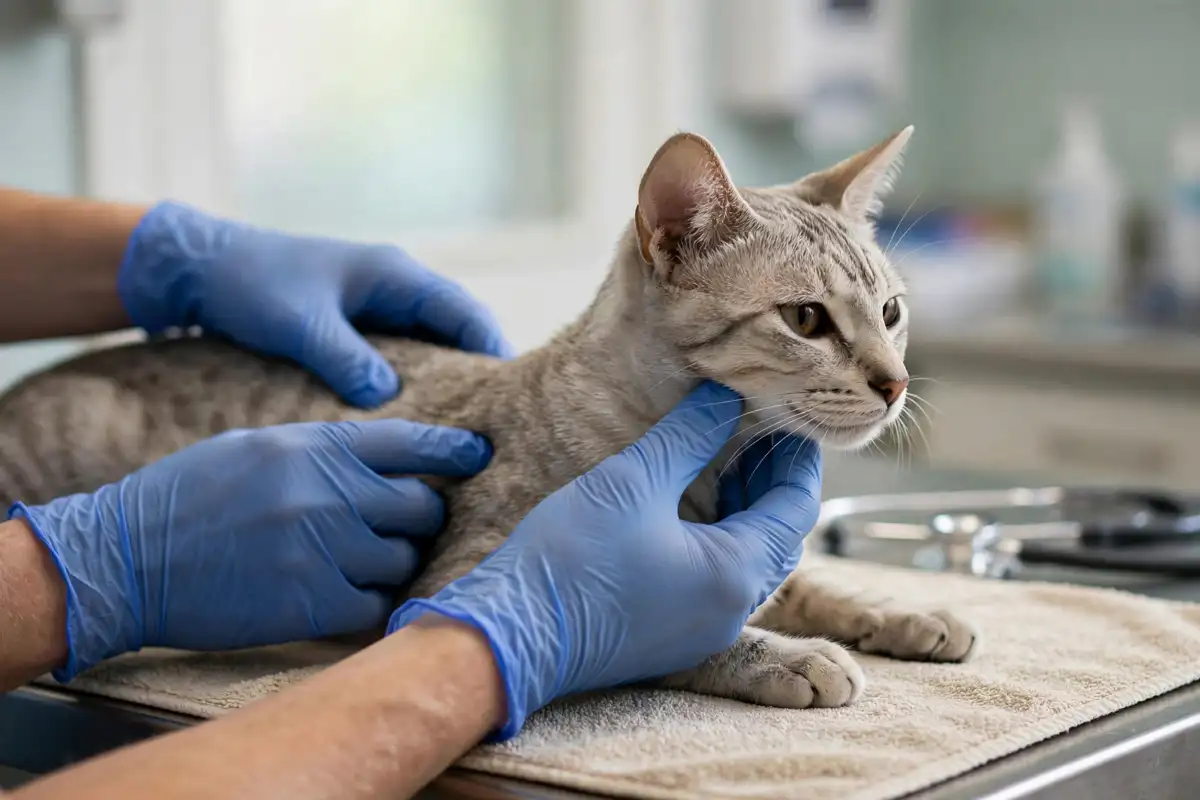
Come prepared with your cat's weight history, diet details, and any symptoms you have noticed (thirst, vomiting, litter box changes, behavior shifts). The vet will do a full physical exam, then typically run bloodwork checking thyroid levels, kidney values, and blood sugar, plus a urinalysis and possibly a fecal test. Depending on findings, imaging like ultrasound or X-rays may follow. This workup sounds like a lot, but it is the fastest route to an answer — and most causes of feline weight loss are treatable or manageable once identified.
When to Call Your Vet
Book a visit if your cat has lost roughly 10 percent or more of their body weight, if the loss is rapid rather than gradual, or if it comes with vomiting, diarrhea, lethargy, excessive thirst, or appetite changes. Kittens losing weight and senior cats losing weight should be seen sooner rather than later. When in doubt, call — weight loss is one of those symptoms where earlier is genuinely better.
Frequently Asked Questions
How much weight loss is concerning in cats?
A gradual loss of about 10 percent of body weight or more is generally considered significant and deserves a vet visit. Rapid weight loss of any amount, or weight loss combined with vomiting, diarrhea, or lethargy, should be checked promptly.
My cat is eating normally but losing weight — what does that mean?
Weight loss despite a normal or increased appetite often points to a metabolic or absorption problem — hyperthyroidism, diabetes, and intestinal parasites are the classic examples. The body is burning or losing more than it takes in, so a vet workup is the right next step.
Can stress cause weight loss in cats?
Yes. Cats are creatures of habit, and moves, new pets, new family members, or changed routines can suppress appetite enough to cause real weight loss. Stress-related loss usually improves once the cat settles, but rule out medical causes first.
Should I just feed my cat more to fix weight loss?
Extra food rarely fixes the problem and can mask it. If a disease is causing the loss, more food will not address the root cause and may delay diagnosis. Get a vet check first, then adjust the diet based on their advice.
Is weight loss normal in senior cats?
Some muscle loss with advanced age is common, but significant or ongoing weight loss is not a normal part of aging. In older cats it is often the first visible sign of hyperthyroidism or kidney disease, so senior weight loss should always be investigated.