Cat Eye Infection: 6 Signs to Watch For
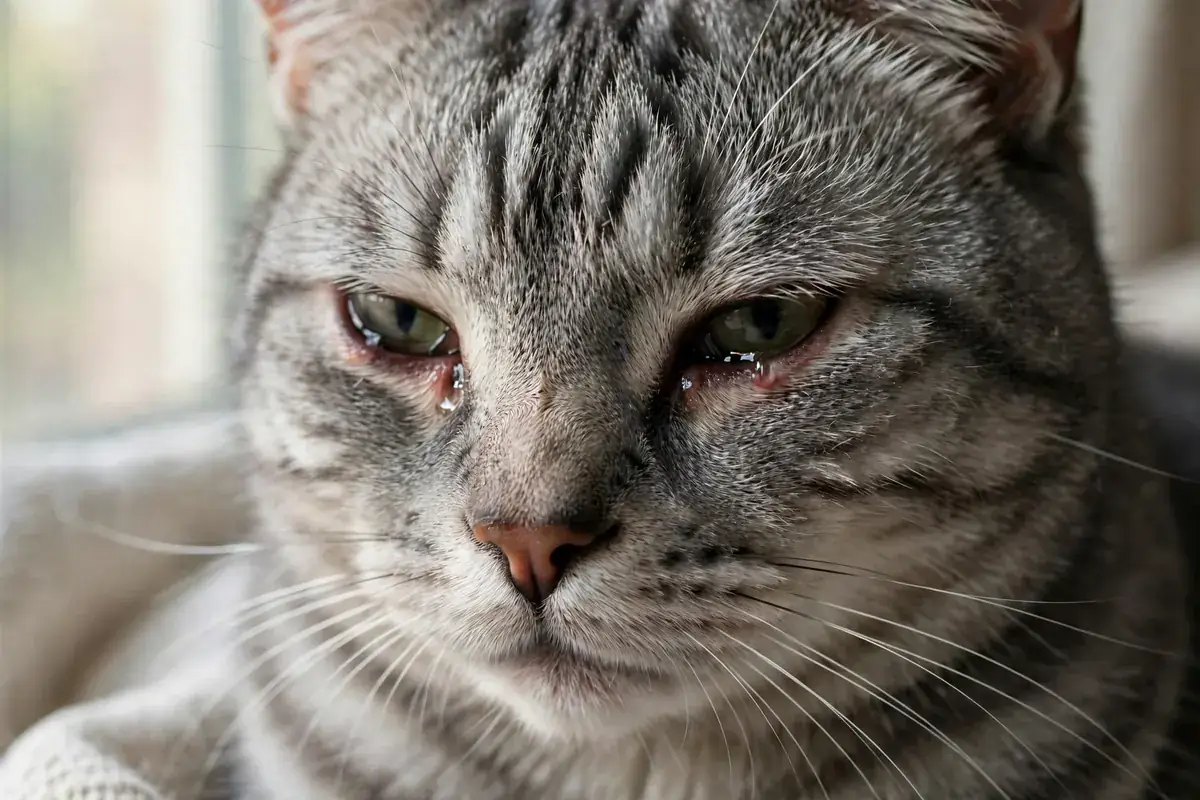
If your cat's eyes are suddenly watery, goopy, or half-shut, you are right to be concerned. Eye infections are one of the most common health complaints in cats — especially kittens — and while many cases are mild and treatable, some can damage vision if ignored. The short answer: any thick yellow or green discharge, swelling, persistent squinting, or cloudiness in the eye warrants a veterinary visit, ideally within a day or two. Mild clear tearing that clears up quickly is often just dust or a minor irritant.
This guide covers the six clearest signs of a cat eye infection, the most common causes (including conjunctivitis and feline herpesvirus), what you can safely do at home while you monitor, and the red flags that mean "stop waiting and call the vet now."
What Do Healthy Cat Eyes Look Like?
A quick baseline helps you spot trouble early. Healthy cat eyes are bright, clear, and wide open, with pupils that respond evenly to light. The white of the eye (sclera) should look white — not pink, red, or yellow — and there should be no persistent discharge. A tiny bit of clear tear dampness or a small dark crust in the inner corner after a nap is normal for most cats.
Flat-faced breeds like Persians tear more because of their shallow eye sockets, so a little more daily crust is their normal. If your cat's "normal" suddenly changes — more tearing, different color discharge, or one eye looking different from the other — that change is the signal to pay attention.
6 Signs of Cat Eye Infection to Watch For
- Yellow, green, or thick white discharge. This is the number one sign of infection. Clear, watery tears can come from irritation or allergies, but colored or thick discharge means pus — the classic sign of bacterial or viral conjunctivitis. Crusty buildup that glues the eyelids shut overnight is another version of the same problem.
- Squinting or holding one eye closed. A cat that keeps one eye half-shut or fully closed is telling you that eye hurts. Pain causes squinting through the reflex called blepharospasm, and eye pain in cats is often linked to a corneal scratch or ulcer — both of which need prompt veterinary assessment.
- Red, swollen conjunctiva (pink eye). The thin membrane lining the eyelids and covering the front of the eye becomes inflamed and puffy in conjunctivitis. You may see pink tissue swelling around the eye or the pale third eyelid sliding up across the corner — both indicate significant irritation or infection.
- Pawing or rubbing at the eye. Cats that paw at their face, rub one side of their head on furniture, or drag an eye along the carpet are trying to relieve itch or pain. Watch for this behavior escalating, since repeated rubbing can scratch the cornea and turn a simple infection into something more serious.
- Cloudiness or a color change in the eye. A healthy cornea is crystal clear. A bluish haze, a visible white or gray spot, or a pupil that looks dull instead of sharp suggests corneal inflammation, swelling, or an ulcer. This is always a prompt-vet sign — never a wait-and-see one.
- Sensitivity to light and tearing. Watery eyes that keep streaming, combined with flinching in bright light, point to active eye irritation or inflammation. If both eyes are affected at once, a viral cause (like feline herpesvirus) or allergies are more likely than a one-sided injury.
Common Causes of Eye Infections in Cats
Understanding the cause helps you understand the treatment. The most common culprits include:
- Conjunctivitis ("pink eye"). Inflammation of the conjunctiva, usually driven by infection or irritation. It is the most frequently diagnosed eye condition in cats and typically causes redness plus discharge.
- Feline herpesvirus (FHV-1). The leading infectious cause of eye problems in cats. Most cats are exposed as kittens; the virus then lies dormant and can flare during stress, causing recurring watery or goopy eyes, sneezing, and sometimes corneal ulcers.
- Bacterial infections. Often secondary to a viral infection or a scratch — bacteria like Chlamydia felis commonly cause conjunctivitis in young cats and multi-cat households.
- Allergies. Environmental allergens (dust, pollen, scented litter) typically cause clear, watery discharge in both eyes, sometimes with sneezing — no thick colored discharge.
- Foreign bodies and scratches. A grass seed, dust, or a claw nick during rough play can scratch the cornea. These one-sided, painful episodes often start with sudden squinting.
- Blocked tear ducts. If tears cannot drain properly, the eye stays wet and is more prone to secondary infection. Flat-faced breeds are most affected.
Because several causes look identical from the outside, the discharge color and whether one or both eyes are affected are the most useful clues you can bring to your vet.
Safe Home Care for Irritated Cat Eyes
If your cat has mild clear tearing with no swelling, squinting, or colored discharge, gentle home care while you monitor for 24 hours is reasonable:
- Wipe discharge gently. Soak a clean cotton pad in warm water, wring it out, and wipe from the inner corner outward. Use a fresh pad for each eye so you do not spread anything between them.
- Use a warm compress. A warm (not hot), damp cloth held gently over the eye for a few minutes can soften crusts and soothe irritation. Do this two or three times a day.
- Keep the face clean and dry. Moisture trapped in the fur around the eyes encourages bacterial growth — pat the area dry after cleaning.
- Reduce irritants. Switch to a low-dust, unscented litter temporarily and avoid air fresheners or scented sprays near your cat.
What NOT to do: never use human eye drops, contact lens solution, or leftover eye medication on your cat. Human drops frequently contain decongestants, steroids, or preservatives that can seriously damage a cat's eye — and steroid drops in particular can make a corneal ulcer far worse. Do not flush the eye with homemade saline recipes, hydrogen peroxide, or any "natural remedy" you found online. And do not try to pry open a swollen or glued-shut eye — let your vet handle that.
When to See the Vet About Your Cat's Eyes
Eyes are one of the body parts where waiting can genuinely cost vision. Call your veterinarian promptly — same day or next — if you notice:
- Thick yellow or green discharge, or eyelids glued shut.
- Squinting or holding one eye closed for more than a few hours.
- Any cloudiness, white spots, or color change on the surface of the eye.
- Swelling that is worsening, or the eye looks like it is bulging.
- A kitten with eye discharge — kittens can develop severe infections fast, and a closed-shut eye in a young kitten needs urgent care.
- No improvement after 24 hours of gentle home care, or any worsening at any point.
True emergencies — get to an emergency vet the same day — include a visible wound to the eye, the eyeball appearing displaced or ruptured, sudden blindness, or a foreign object you can see stuck on or in the eye. Do not attempt to remove it yourself.
How Vets Diagnose and Treat Cat Eye Infections
Knowing what to expect can make the visit less stressful for both of you. A typical eye exam includes a close look with a bright light, a fluorescein stain test (a harmless orange dye that glows green under blue light wherever the cornea is scratched or ulcerated), and sometimes a gentle tear production test or pressure check for glaucoma.
Treatment depends on the cause: bacterial conjunctivitis usually gets antibiotic eye drops or ointment for one to two weeks; herpesvirus flares may get antiviral medication plus supportive care; allergies get managed with environmental changes and sometimes antihistamines under vet guidance; corneal ulcers need careful monitoring and protective treatment because they can deepen quickly.
The most important part is the follow-up. Eye conditions can change fast, so vets usually want to recheck within a few days to a week. Finish the full course of any prescribed medication even if the eye looks better — stopping early is a common reason infections come back. With prompt treatment, most routine cat eye infections clear up fully and leave no lasting damage.
Frequently Asked Questions
Can I use human eye drops on my cat?
No. Human eye drops often contain decongestants, steroids, or preservatives that can damage a cat's eyes. Never use your own eye drops, contact lens solution, or leftover pet medication — only use products your veterinarian has specifically prescribed for your cat.
Will a cat eye infection go away on its own?
Mild irritation from dust or a brief watery episode sometimes clears in a day. But true infection with yellow or green discharge, swelling, squinting, or a cloudy cornea almost always needs veterinary treatment — and delaying can allow a corneal ulcer to deepen.
Why does my cat have brown crust in the corner of the eye?
A small amount of dark reddish-brown crust in the inner corner is usually dried normal tear pigment (porphyrins) and is harmless — flat-faced breeds get it more. Wipe it gently with a damp cotton pad. Thick, yellow-green crust or swelling around it is not normal and should be checked.
Are cat eye infections contagious to other cats or people?
Viral and bacterial causes like feline herpesvirus are very contagious between cats, especially kittens in shelters or multi-cat homes. They are not contagious to humans, but wash your hands after handling a cat with eye discharge and keep the sick cat's bedding and bowls separate.
How can I prevent eye infections in my cat?
Keep core vaccinations current (the FVRCP vaccine covers herpesvirus and calicivirus), minimize stress in multi-cat homes, keep litter dust low, gently wipe tear staining before it builds up, and schedule regular vet checkups so early eye changes get caught quickly.