Cat Food Recalls: How to Check If Your Cat's Food Is Safe
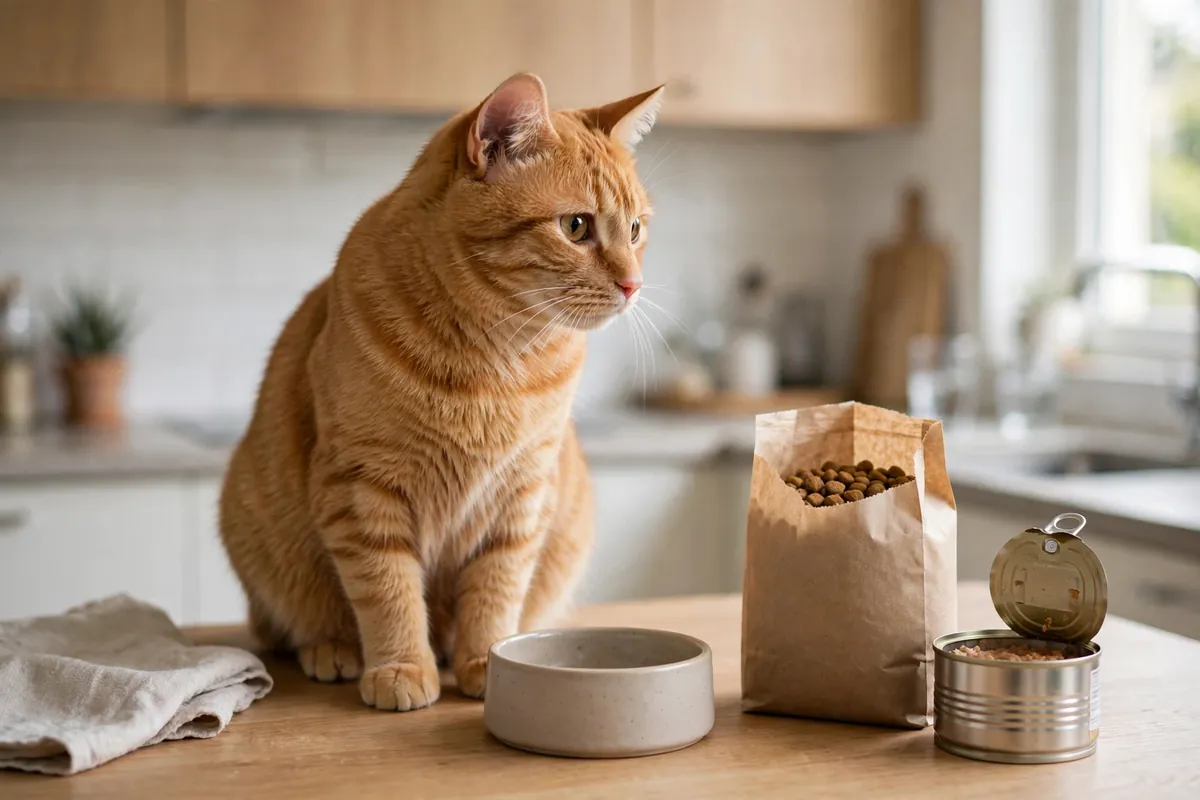
Is my cat food recalled? It is a worrying question, and the good news is that you can answer it in about five minutes. A cat food recall check comes down to five steps: find the lot code and best-by date on your bag or can, check the exact product name and size against the recall notice, verify it on the U.S. Food and Drug Administration (FDA) recall list or the manufacturer's website, confirm it with the retailer or manufacturer if anything is unclear, and act on the result. If your lot code does not match the notice, your bag is not part of that recall — even if the brand name matches. This guide walks you through each step so you can check any brand with confidence.
Recalls sound alarming, but they are a normal part of food safety. Companies and regulators recall pet food when a specific batch may be contaminated, mislabeled, or nutritionally incomplete.
What a Cat Food Recall Actually Means
A recall is a request — sometimes voluntary from the company, sometimes urged by regulators — to pull a specific product off shelves and out of homes. In the United States, pet food recalls are listed by the FDA, and many are also announced by the manufacturer on its own website and social channels. Recalls happen for reasons like possible salmonella contamination, elevated levels of a vitamin, a missing ingredient on the label, or pieces of foreign material in the food.
What matters most is scope. A recall almost always names a particular recipe, a particular bag or can size, and a set of lot codes or best-by dates. That combination is the fingerprint of the affected batch. Two bags of the same brand sitting side by side in a store can have different lot codes, and only one of them may be recalled. This is why "brand X recalled its cat food" headlines are misleading on their own — the brand is only the starting point of the check, never the whole answer.
Your 5-Step Cat Food Recall Check for Any Brand
This is the core of the process. Work through the steps in order, and keep your bag or can nearby until you finish.
- Step 1 — Find your lot code and best-by date. On a dry food bag, the lot code is usually printed near the bottom or along the back seam, often right next to the best-by or expiration date. On cans, it is typically stamped on the bottom. Take a clear photo of both before you throw any packaging away. This photo is your proof if you later need a refund, and it saves you from digging through the trash when a recall notice appears weeks later.
- Step 2 — Match the exact product, not just the brand. Write down the full product name, flavor, and bag or can size exactly as printed — for example, "chicken and rice, 15 lb bag" rather than just the brand name. Recall notices list products this precisely. If your flavor or size is not listed, your food is not included, even if another flavor from the same brand is.
- Step 3 — Compare your lot code against the notice. This is the decisive step. Check whether your lot code, and your best-by date if the notice lists dates, falls inside the recalled range. A partial match is not a match: if the notice lists lot codes starting with certain characters and yours differs, you are clear. If your code matches exactly, treat the food as recalled, even if your cat has eaten some of it without obvious problems.
- Step 4 — Verify on an official source. Cross-check the notice on the FDA's animal and veterinary recalls page or the manufacturer's official recall announcement. Avoid relying on a single social media post or screenshot, which can be outdated, edited, or about a different country. Official notices also include return and refund instructions, which secondhand posts often leave out.
- Step 5 — Confirm and act. If your food matches, stop feeding it and follow the notice's instructions — usually returning it to the store or contacting the manufacturer for a refund. If it does not match, you can keep feeding it as normal. If anything is ambiguous — a smudged code, a code format you cannot decode — call or email the manufacturer with your photo. They can confirm in minutes, and that call is free.
Where to Check: The Cat Food Recall List and Official Sources
When people search for a "cat food recall list FDA," they usually want one page that settles the question. The FDA's recalls and withdrawals page for animal food is the most authoritative starting point in the United States, and it is searchable by product and company. The manufacturer's own website is the second essential check, because companies often post fuller detail — including lot code ranges and photos of the packaging — than a summary page can hold.
Your retailer can also help. Many pet stores and online sellers can look up your order history and tell you whether the batch they shipped you was affected. If you buy in store, keep the receipt with your lot code photo; if you buy online, your order page usually shows the product and purchase date, which narrows the batch window.
A Recall Does Not Mean the Whole Brand Is Bad
This is the point most owners miss, and it matters for how you react. A recall usually covers one recipe, one plant, or one production run. A company that makes twenty recipes may recall one of them while the other nineteen are untouched. Judging the entire brand by a single recalled lot is like refusing every item from a grocery store because one product was pulled from one shelf.
In fact, a recall can be a reassuring sign in one respect: it means a problem was detected, disclosed, and acted on. The more worrying scenario is a problem nobody catches. That does not mean you should ignore recalls or keep buying a product with repeated, unrelated problems — patterns do matter, and a brand with frequent recalls deserves a harder look. But a single, narrow, well-handled recall is not by itself a reason to abandon a food your cat does well on. Judge the pattern, not the headline.
What to Do If Your Cat's Food Is Recalled
First, stop feeding it immediately, even if your cat seems perfectly fine. Some contamination causes no visible symptoms at first, and continuing to feed a recalled batch while you "wait and see" only increases exposure. Seal the bag or can and store it away from your cat's other food so nobody feeds it by mistake.
Second, follow the notice's instructions for a refund or return. Most notices direct you to return the product to the place of purchase or to contact the manufacturer directly, and you will usually need the lot code photo you took in step one. Do not throw the packaging away until the refund is settled.
Third, watch your cat and note anything unusual — vomiting, diarrhea, loss of appetite, lethargy, or increased thirst — and contact your veterinarian if symptoms appear. Tell the vet which product and lot your cat ate and when; that detail helps them assess the situation far faster than a vague "I think the food was recalled." If your cat ate recalled food but shows no symptoms, a quick call to your vet's office for advice is still worthwhile.
Finally, replace the food with a safe alternative rather than skipping meals. Cats should not go without food for long, and a short fast while you shop is fine, but aim to have a replacement the same day. If your cat is a picky eater, a familiar flavor from a different, unaffected product line is usually an easier transition than a completely new recipe.
How to Stay Ahead of Future Recalls
A small routine removes most of the worry. Photograph the lot code of every new bag or can the day you open it, and keep those photos in one album on your phone. Sign up for FDA recall email alerts or your brand's product updates, so notices come to you instead of you having to hunt for them. And re-check whenever you hear recall news about your brand — even if you checked last month, a new lot you bought since then could be different.
Recalls are unsettling, but they are manageable. With the lot code in your phone and the five steps above, you can move from a scary headline to a clear answer in minutes — and that certainty is worth far more than the worry it replaces.
Frequently Asked Questions
How do I check if my cat food is recalled?
Find the lot code and best-by date on your bag or can, then compare them against the recall notice on the FDA recalls page or the manufacturer's website. Only the exact product, size, lot codes, and dates listed in the notice are affected — a matching brand name alone does not mean your bag is recalled.
Where is the lot code on cat food?
On dry food bags it is usually printed near the bottom or on the back seam, often beside the best-by date. On cans it is typically stamped on the bottom of the can. Take a photo of it before you throw the packaging away, so you can check it later.
Does a recall mean the whole brand is bad?
No. Most recalls cover specific products, lot codes, and production dates — not everything a company makes. A brand can have one recalled recipe while its other foods are unaffected, and a recall can actually be a sign that the company's safety checks caught a problem.
What should I do if my cat's food is recalled?
Stop feeding it right away, keep the bag or can with its lot code, and follow the return or refund instructions in the recall notice. If your cat has eaten it and seems unwell — vomiting, diarrhea, or refusing food — contact your veterinarian and mention the recall.
How often should I check for cat food recalls?
A quick check every month or two is plenty for most owners, plus a check any time you hear recall news or switch brands. Signing up for FDA recall alerts or your brand's email updates means you hear about it without having to remember.