Cat Paw Infection: 7 Signs of Swollen or Infected Paws
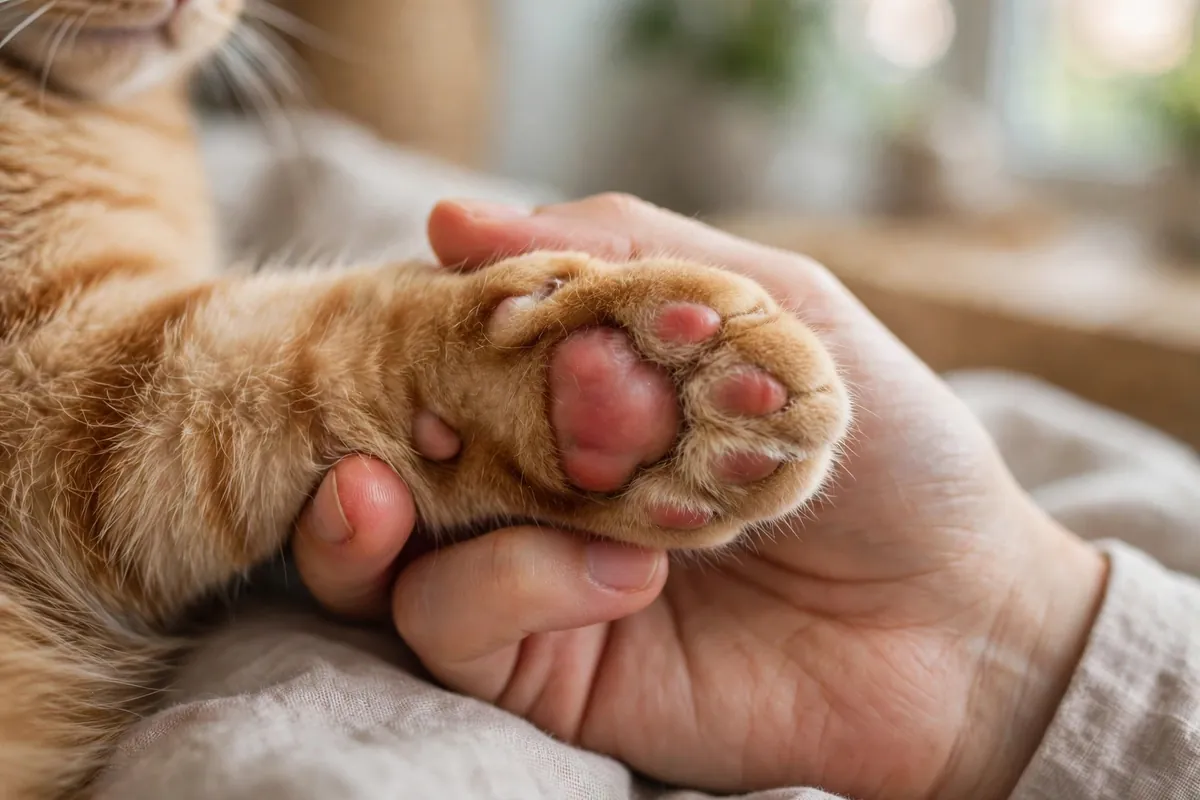
If your cat is suddenly limping, holding one paw off the ground, or licking a single paw obsessively, a paw infection could be the cause. Cats walk on their paws all day, so even a small cut, thorn, or bite can let bacteria in — and because cats are so good at hiding pain, the problem is often well underway before you notice it. The good news is that most paw infections are very treatable when they are caught early. The key is knowing what to look for.
In this guide, you will learn the 7 most reliable signs of a cat paw infection, the common causes behind them, what you can safely do at home, and when it is time to stop waiting and call your veterinarian.
What Is a Cat Paw Infection?
A paw infection happens when bacteria, and sometimes fungi, get into the tissues of a cat's paw — the pads, the skin between the toes, or the nail bed — and the body's immune system responds with inflammation. The infected area becomes red, warm, swollen, and painful, and it may produce discharge or a bad smell.
Paw infections are common in both indoor and outdoor cats, but for different reasons. Outdoor cats are more likely to pick up bite wounds, thorns, and cuts from rough ground. Indoor cats are more prone to infections from ingrown or broken nails, litter stuck between the toes, and skin irritation caused by allergies. Cats with diabetes or weakened immune systems are at higher risk, and their infections can spread faster, so early attention matters even more for them.
7 Signs Your Cat Has a Paw Infection
- Limping or holding the paw up. This is often the very first clue. If your cat suddenly avoids putting weight on one paw, walks with a limp, or sits with the paw tucked up, something is hurting. A limp that appears suddenly and does not improve within a day deserves a closer look.
- Swelling in the paw or toes. Compare the sore paw with the others. An infected paw often looks puffy, and individual toes may be swollen or spread apart. Swelling that grows over hours rather than fading is a strong sign of infection rather than a simple bruise.
- Redness and warmth. Part the fur gently between the toes and look at the pads. Infected skin is often pinker or redder than usual and feels warmer to the touch than the other paws. Redness that spreads up the leg is a warning sign that the infection is advancing and needs prompt veterinary care.
- Constant licking or chewing of one paw. Cats lick to soothe pain and clean wounds, so a cat that suddenly focuses all its grooming on one paw is telling you something is wrong there. Watch for wet, matted fur around the paw, or a paw that looks raw from over-licking — the licking itself can make an infection worse.
- Discharge or a bad smell. Any pus, cloudy fluid, or crusty buildup between the toes or around a nail is a clear sign of infection. A wound that smells unpleasant, even if it looks small, should be examined by a vet. Do not try to squeeze or drain it yourself.
- A visible cut, wound, or foreign object. Check between the toes and under the pads for thorns, splinters, glass, a torn nail, or a bite wound. Outdoor cats frequently come home with small puncture wounds from fights that seal over on the surface while infection brews underneath — a classic cause of paw abscesses.
- Behavior changes: hiding, eating less, or a fever. A cat in pain may hide, sleep more, skip meals, or seem grumpy when touched. A warm body, dull eyes, or loss of appetite alongside a sore paw suggests the infection is affecting the whole body, not just the paw, and veterinary care should not wait.
Common Causes of Paw Infections in Cats
- Bite wounds and scratches. Cat bites inject bacteria deep into tissue. Even a tiny puncture from another cat can seal over and form an abscess within a day or two.
- Cuts from sharp objects. Broken glass, sharp stones, thorns, and rough surfaces can cut pads or slice between toes, opening the door to bacteria.
- Ingrown or broken nails. Overgrown nails can curl into the paw pad, and a nail torn during play or climbing can expose the sensitive quick to infection.
- Foreign objects. Grass seeds, burrs, and litter granules lodged between the toes irritate the skin and can work their way deeper over time.
- Allergies and skin conditions. Cats with food or environmental allergies may chew their paws raw, breaking the skin barrier and inviting secondary bacterial or yeast infections.
- Burns. Hot pavement in summer, radiators, and stovetops can burn paw pads. Burned pads crack and blister, and damaged skin is easily infected.
What to Do at Home: Safe First Steps
If the paw looks mildly irritated but your cat is still eating, drinking, and moving around fairly normally, you can take a few gentle steps while you monitor:
- Look closely. With good light and a calm cat, check between the toes, under the pads, and around each nail for wounds, swelling, or foreign objects. Remove a visible thorn or burr gently with clean tweezers if it comes out easily.
- Clean gently. Rinse the paw with lukewarm water or a dilute antiseptic solution recommended for pets. Pat it dry — do not scrub, and never use hydrogen peroxide, rubbing alcohol, or human antibiotic ointments unless your vet tells you to.
- Keep it clean and dry. Fresh litter, clean bedding, and a dry indoor environment give a minor irritation the best chance to settle. Watch the paw at least twice a day for changes.
- Prevent licking. If your cat will not leave the paw alone, a soft cone (Elizabethan collar) for a short period can help. Constant licking keeps the area wet and introduces mouth bacteria, which slows healing.
Home care is only a holding measure. If there is swelling, discharge, a wound that will not close, or any sign your cat is in pain, book a vet visit — do not wait for it to "get better on its own."
How Vets Diagnose and Treat Paw Infections
At the clinic, your vet will examine the paw, and may take a swab of any discharge, check for foreign objects with careful probing, or take an X-ray if a deep foreign body or bone involvement is suspected. Treatment depends on the cause and severity, but commonly includes antibiotics for bacterial infections, draining and flushing of an abscess, pain relief, and sometimes a short course of anti-inflammatory medication. A bandage may be applied for a few days, with instructions to keep it clean and dry and to return for a recheck. Most cats improve noticeably within a few days of starting treatment, though a full course of antibiotics should always be finished even if the paw looks better.
When to See the Vet Right Away
- Swelling that is spreading, worsening, or moving up the leg.
- Pus, bleeding that will not stop, or a foul smell from the paw.
- Your cat cannot bear weight on the paw at all, or cries when it is touched.
- Fever, lethargy, loss of appetite, or hiding alongside the paw problem.
- A bite wound, deep cut, or suspected broken nail.
- The cat is a kitten, a senior, or has diabetes or another chronic illness.
- No improvement after 24–48 hours of gentle home care.
Preventing Paw Infections
A weekly paw check takes less than a minute and catches most problems early: look between the toes, check the pads for cracks or cuts, and keep nails trimmed so they cannot curl into the pad. Keep litter boxes clean, vacuum up sharp debris, and check outdoor cats' paws when they come inside — especially after fights or long roaming sessions. In hot weather, test pavement with your own hand before letting your cat walk on it, and keep cats away from stovetops and heaters. For cats with allergies, work with your vet on the underlying cause rather than just treating each flare-up, since repeated paw chewing is often the real problem behind recurring infections.
Frequently Asked Questions
Can I treat my cat's paw infection at home?
Minor surface irritation can be gently cleaned and monitored at home, but a true infection — with swelling, discharge, or pain — usually needs veterinary care. Cats often need prescription antibiotics, and delaying treatment can let the infection spread deeper into the paw.
Should I bandage my cat's infected paw?
A light, loose cover can protect a paw briefly, but a tight or long-term bandage can cut off circulation and trap moisture, making infection worse. If you bandage at all, keep it loose, check it often, and ask your vet for guidance.
Why is my cat licking one paw constantly?
Constant licking of a single paw usually means pain, itching, or irritation in that paw — from a cut, a foreign object, an allergy, or an infection. If the licking is new, persistent, or the paw looks red or swollen, have it checked by your veterinarian.
Can a cat paw infection heal on its own?
Very mild irritation sometimes settles on its own, but a real infection rarely does. Without treatment, bacteria can spread to deeper tissues or joints, and a simple abscess can become a serious problem. When in doubt, call your vet.
How do I stop my cat from getting paw infections?
Check paws weekly, keep nails trimmed, clean litter boxes daily, keep indoor cats away from sharp objects, and check outdoor cats' paws after they come inside. Cats with diabetes or immune conditions need extra attention, as they are more prone to infections.