European Shorthair: Complete Breed Guide
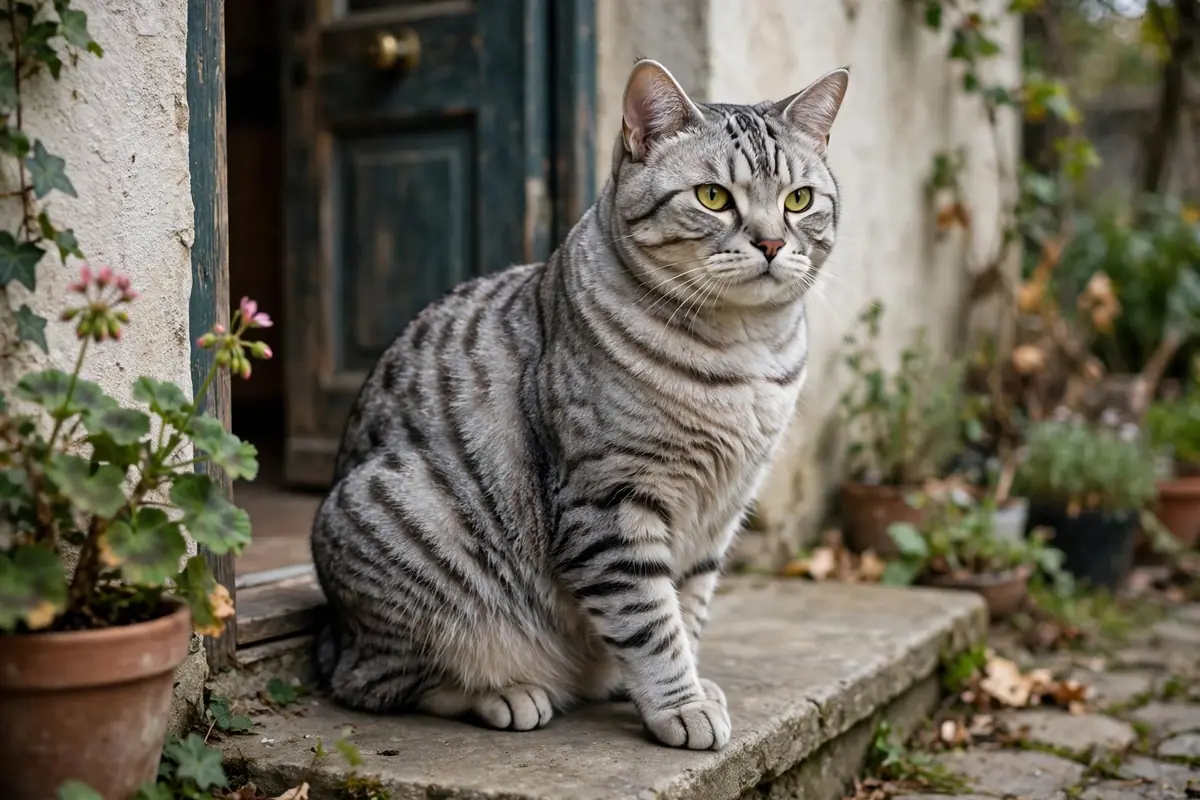
The European Shorthair is the cat that Europe has lived with for centuries, finally given a name and a standard of its own. It is not a designer breed and it was not created in a laboratory: it is the everyday, hardy, adaptable cat of farms, villages, and city apartments, recognised as a breed in its own right. If you want a healthy, low-maintenance, good-natured cat without the fuss of a rare breed, the European Shorthair is hard to beat.
This guide covers the breed's origins, appearance, temperament, grooming needs, health, and whether it fits your home.
European Shorthair at a Glance
The European Shorthair is a medium to large cat with a sturdy, muscular body, a short, dense coat, and a calm, confident presence. The coat comes in almost every colour and pattern, from solid black and white to silver tabby, tortoiseshell, and bicolour, which is part of the breed's charm: no two European Shorthairs look quite alike. The eyes are large and round, usually green, orange, or amber.
Adult European Shorthairs usually weigh between 4 and 7 kilograms, with males a little heavier than females. They are well-proportioned cats with no extreme features, and they move with an easy, natural grace. Most live around 15 to 20 years with good care, making them one of the longest-lived breeds, and they are generally very healthy cats.
Origin and History: Europe's Own Cat
The European Shorthair descends from the cats that the Romans brought across Europe two thousand years ago, and from the farm and village cats that lived alongside people ever since. For centuries, these cats were simply the local cats: hardy, adaptable mousers that earned their keep and asked for little in return. They were not bred for looks, they were shaped by the everyday demands of life in Europe's farms, towns, and cities.
In the 20th century, breeders in Scandinavia and elsewhere began to standardise the type, and the breed was recognised by the Federation Internationale Feline in 1982. The goal was to preserve the natural, healthy cat that had served European homes for centuries, rather than to create something new. The result is a breed that is, in many ways, the most honest cat you can own: no extremes, no exaggeration, just a good cat.
Appearance: Strong, Natural, and Varied
The European Shorthair has a medium-length, dense coat that lies close to the body and comes in a huge range of colours and patterns. The silver tabby is one of the most popular, but solid colours, tortoiseshell, and bicolour are all common. The coat is practical rather than decorative: dense enough to keep the cat warm, short enough to be easy to care for.
The head is medium-sized and slightly longer than it is wide, with a straight nose, medium ears, and large, round eyes. The body is muscular and well-proportioned, with strong legs and a medium-length tail. There is nothing extreme about the European Shorthair, and that is the point: every feature is built for a long, healthy, comfortable life, not for a show ring.
Personality and Temperament: Calm and Adaptable
European Shorthairs are calm, intelligent, and adaptable cats that fit easily into almost any household. They are affectionate without being clingy, playful without being hyperactive, and independent enough to cope with being left alone during the working day. They enjoy company and will sit beside you in the evening, but they do not demand constant attention.
They are usually good with children and with other pets, and they cope well with changes in routine, which makes them a great choice for busy families. They are capable hunters and enjoy outdoor time, but they are equally content as indoor cats with a window perch and daily play. They are not typically loud cats, and they communicate with soft meows and chirps. For owners who want a straightforward, good-natured companion, the European Shorthair is an excellent match.
Grooming and Everyday Care
Grooming a European Shorthair is very easy: a weekly brush removes loose hair and keeps the short, dense coat in good condition. Shedding is moderate, with a little extra during seasonal changes. Baths are rarely needed unless the cat gets into something messy. Keep nails trimmed, check the ears, and brush the teeth regularly.
Give your cat a scratching post, a few toys, and a window perch, and play with it for ten to fifteen minutes a day. Feed a good-quality complete food in measured portions, keep fresh water available, and keep up the routine care: vaccinations, parasite control, and regular vet check-ups. The European Shorthair asks very little, and a little care goes a long way with this breed.
European Shorthair Health and Lifespan
European Shorthairs are among the healthiest of all cat breeds, with a lifespan of around 15 to 20 years. Because the breed was shaped by natural selection rather than intensive breeding for extreme features, it has a wide genetic base and very few inherited health problems. Responsible breeders still screen for common feline health issues, but there is no single serious disease that defines the breed.
Like all cats, European Shorthairs can develop the usual health problems of old age, including kidney disease, dental disease, and thyroid problems. The most common everyday risk is weight gain, particularly for indoor cats, so measured meals and daily play are important. Regular vet check-ups are the best way to catch problems early and keep your cat healthy into its late teens.
Is the European Shorthair Right for You?
The European Shorthair suits almost any owner: first-time cat owners, families with children, busy professionals, and multi-pet households. It is a great choice for anyone who wants a healthy, low-maintenance, good-natured cat without the cost and waiting list of a rare breed. It does well in apartments and houses alike, indoors or with safe outdoor access.
It is less suited to someone looking for a very distinctive or exotic-looking cat, or for an owner who wants a highly interactive, talkative breed that follows them everywhere. If you want a calm, hardy, long-lived companion that fits easily into everyday life, the European Shorthair is one of the best choices you can make.
Frequently Asked Questions
Do European Shorthair cats shed a lot?
Shedding is moderate. The dense, short coat loses some hair year-round, with a little more during seasonal changes. A weekly brush keeps it under control, and the breed's grooming needs are among the lowest of any shorthair breed.
Are European Shorthair cats good with children?
Yes, they are usually excellent with children. European Shorthairs are patient, adaptable, and playful, and they cope well with the noise and activity of a busy family home. As with any cat, teach children to handle the cat gently.
Are European Shorthair cats good with other pets?
Yes, they usually get along well with other cats and with cat-friendly dogs, especially when introduced gradually. Their easy-going, adaptable nature makes them one of the best breeds for multi-pet households.
Can European Shorthair cats live indoors or outdoors?
They can live happily indoors with a window perch, scratching post, and daily play, and they can also enjoy a secure garden or a safe outdoor space. They are adaptable, but they should always have a safe way back inside and be protected from traffic and other dangers.
How long do European Shorthair cats live?
With good care, European Shorthairs typically live around 15 to 20 years, making them one of the longest-lived breeds. Regular vet check-ups, a measured diet, dental care, and a safe lifestyle all help them reach a healthy old age.