Heartworm in Cats: Why Indoor Cats Are at Risk
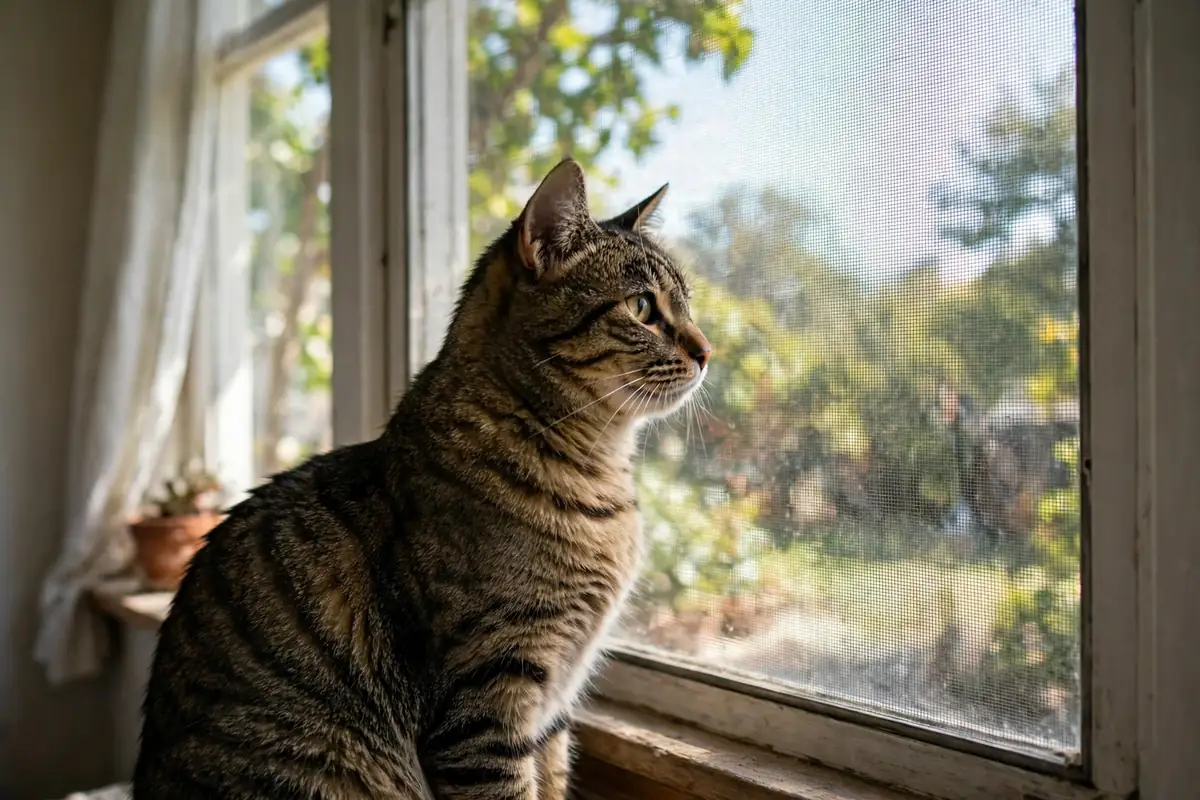
Yes, indoor cats can get heartworm — and that is the surprise most cat parents need to hear. Heartworm in cats is spread by a single bite from an infected mosquito, and mosquitoes regularly slip indoors through open doors, torn window screens, and vents. Living inside lowers your cat's exposure compared with roaming outdoors, but it does not make the risk zero.
Heartworm disease is also different for cats than for dogs: there is no approved treatment that kills adult heartworms in cats. Vets can only support the cat while its body deals with the worms. That is why prevention matters even more for cats. This guide explains how cats get heartworm, the signs to watch for, how vets test for it, and the steps that protect an indoor cat.
What Is Heartworm Disease in Cats?
Heartworm disease is caused by a parasitic worm called Dirofilaria immitis. Adult worms live mainly in the heart and the large blood vessels leading to the lungs, where they damage the lungs and strain the heart. In dogs, infections often involve many worms. In cats, the picture is different: cats are not the worm's natural host, so infections usually involve only one or a few worms, and sometimes the worms never reach full adulthood.
That smaller worm count does not mean a milder illness. Even one or two worms — or worms that die while still immature — can trigger strong inflammation in a cat's lungs and airways, a condition often called heartworm-associated respiratory disease. It can cause coughing and breathing difficulty that looks a lot like asthma. Because cats hide illness well, some infected cats show few signs until the disease is advanced.
How Do Indoor Cats Get Heartworm?
The chain starts with a mosquito. When a mosquito bites an infected animal, it picks up microscopic heartworm larvae. Inside the mosquito, those larvae mature into an infective stage over roughly two weeks. When that mosquito then bites your cat, it deposits the larvae into the bite wound, and the larvae begin migrating through the cat's tissues toward the heart and lungs over several months.
Your cat cannot catch heartworm directly from another cat or dog, and you cannot catch it from your cat — a mosquito bite is the only route. That is also why "indoor only" is not a shield. Mosquitoes follow people through doors, slip through torn window screens, and breed in standing water on balconies and in plant saucers. A cat napping by a window or door is exactly where a hungry mosquito will find them.
Why Heartworm Is Harder to Treat in Cats Than in Dogs
This is the fact that changes how cat parents should think about heartworm. In dogs, vets can use an approved adulticide drug to kill adult worms, given under close supervision. In cats, no such approved treatment exists. The drugs used in dogs are not safe or effective for cats, and killing worms inside a small cat can itself be dangerous: dying worms can break apart and block blood vessels in the lungs, causing sudden, life-threatening complications.
Instead, treatment for cats focuses on supportive care — medicines to ease coughing and lung inflammation, oxygen or hospital care during flare-ups, and careful monitoring. Some cats stabilize for years; others deteriorate suddenly. There is no cure to promise, and no home remedy can remove the worms. That is exactly why vets recommend prevention for cats in mosquito areas, including cats that never go outside.
Signs of Heartworm in Cats
Many infected cats show no signs at all. When signs appear, they tend to involve the lungs and breathing, and they can come and go. Watch for:
- Persistent coughing or gagging — often mistaken for hairballs or asthma.
- Vomiting — frequent or unexplained vomiting is a surprisingly common sign in cats with heartworm.
- Breathing difficulty — faster breathing at rest, wheezing, or open-mouth breathing.
- Loss of appetite and weight loss — eating less or gradually thinning out.
- Tiredness and hiding — playing less, sleeping more, or withdrawing from family life.
- Sudden collapse or fainting — rare, but possible when worms block blood flow or die suddenly.
Because coughing and vomiting have many causes, do not try to diagnose heartworm at home. If these signs persist beyond a day or two, or breathing ever looks labored, book a vet visit and mention heartworm risk.
How Vets Diagnose Heartworm in Cats
Diagnosing heartworm in cats is trickier than in dogs, and your vet will usually combine several tests rather than relying on one. A blood test for heartworm antigen detects proteins from adult female worms, but with only one or two worms — or only male worms — it can come back negative even when infection is present. An antibody test shows whether the cat's immune system has encountered heartworm larvae.
Chest X-rays often show inflamed lungs or enlarged blood vessels, and an ultrasound can sometimes reveal the worms themselves. No test is perfect alone, so your vet weighs them together with your cat's signs and mosquito exposure. If you are starting prevention, your vet may recommend testing first.
Heartworm Prevention for Indoor Cats
Prevention is simple, safe when used as directed, and far easier than managing disease. Most cat heartworm preventives are monthly treatments — a spot-on applied to the skin or a small tablet — that kill larvae before they can mature. Many also protect against fleas, intestinal worms, or ear mites.
A few rules matter. First, use only a product made for cats, at the dose your vet prescribes for your cat's weight — never share a dog's preventive, and never guess the dose. Second, give it on schedule, year-round if your vet advises it; a missed month leaves a gap. Third, set a phone reminder for the same date each month. If you miss a dose, call your vet rather than doubling up.
Reducing Mosquitoes Inside Your Home
Prevention medicine is the main defense, but cutting down mosquitoes at home lowers the bites your cat faces. Repair torn window screens and check door seals, since even a small gap is an entry point. Empty standing water from plant saucers, buckets, and outdoor pet bowls, and clean gutters so water does not pool.
Keep your cat indoors during peak mosquito hours at dawn and dusk when possible, and use fans in rooms where your cat rests — mosquitoes are weak fliers and struggle in moving air. Avoid insect repellents or sprays around cats unless your vet confirms they are cat-safe; some common household insecticides are toxic to cats.
When to Call the Vet: Red-Flag Checklist
Call your veterinarian promptly — or an emergency clinic after hours — if you notice any of these:
- Breathing difficulty, wheezing, or open-mouth breathing at rest.
- Sudden collapse, fainting, or extreme weakness.
- Coughing or vomiting that persists beyond a day or keeps returning.
- Refusal of food for more than 24 hours, or rapid weight loss.
- Blue-tinged gums, or a cat that cannot settle and seems distressed.
- You have missed several preventive doses and your cat shows any respiratory sign.
When in doubt, call. Breathing problems in cats can worsen quickly, and an early vet visit gives your cat the best chance of stabilizing.
Frequently Asked Questions
Can indoor cats really get heartworm?
Yes. Mosquitoes slip indoors through open doors, torn window screens, and vents, and a single bite from an infected mosquito can transmit heartworm larvae. Indoor living lowers the risk, but it does not remove it.
Is there a cure for heartworm in cats?
No, there is no approved adulticide treatment that kills adult heartworms in cats, unlike in dogs. Cats receive supportive care for their symptoms while their body deals with the infection, which is why prevention is far more important for cats than for dogs.
Can I give my cat a dog's heartworm preventive?
Never. Dog preventives can be dosed very differently, and some dog products are toxic to cats. Only use a heartworm preventive made for cats, at the dose your veterinarian prescribes for your cat's weight.
How does a vet test a cat for heartworm?
Vets usually combine blood tests for heartworm antigen and antibodies with chest X-rays and sometimes an ultrasound of the heart. No single test is perfect in cats, so your vet may use several results together.
How often should my cat get heartworm prevention?
Most cat preventives are given monthly, year-round, but the right product and schedule depend on your area and your cat. Ask your veterinarian to recommend a plan and keep it going without gaps.