How to Calm a Stressed Cat: 12 Proven Ways
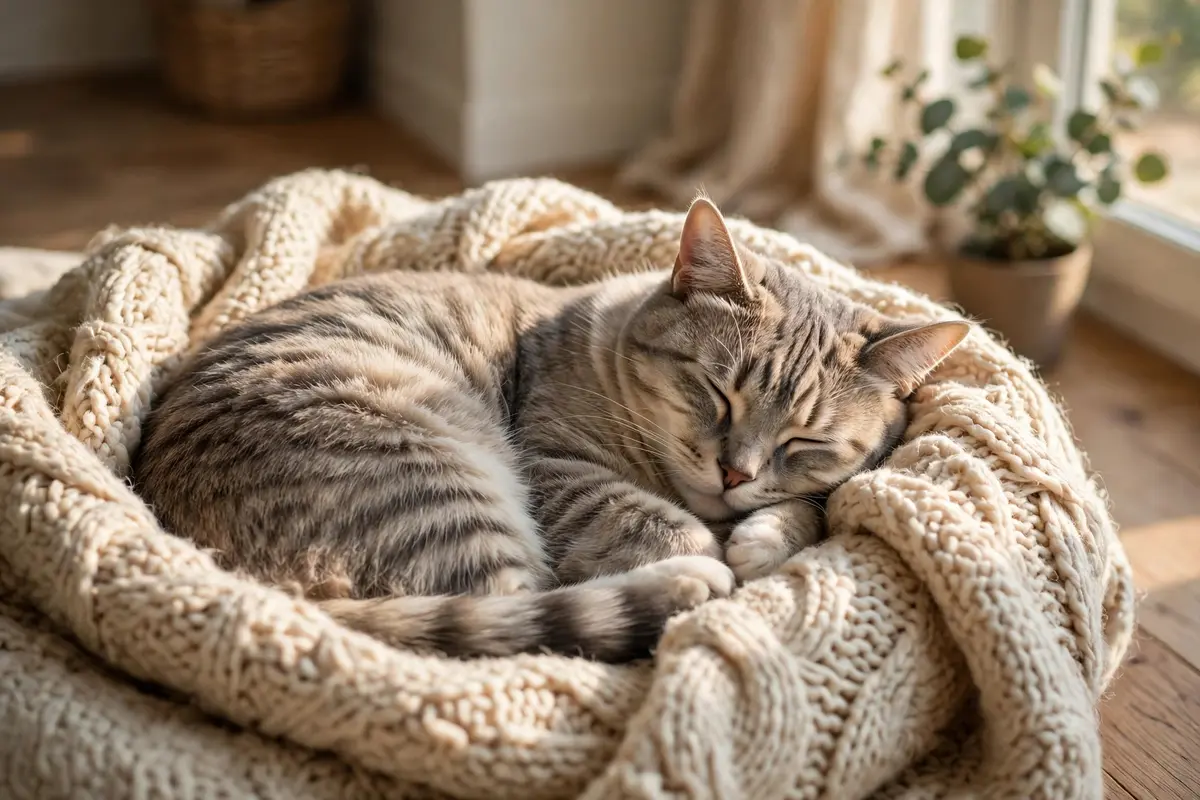
When your cat suddenly starts hiding under the bed, skipping meals, or licking their belly raw, it is hard not to worry. The good news is that most cat stress is temporary, and small changes at home can make a big difference fast. The fastest way to calm a stressed cat is to give them a quiet safe space, keep their routine predictable, and let them choose when to interact — then add gentle play, vertical space, and calming cues to help them feel secure again.
Cats are creatures of habit and territory. Unlike dogs, they do not usually bounce back from a scare by seeking comfort from people. A stressed cat often needs distance first and affection second. This guide walks you through 12 practical ways to help your cat relax, what signs to watch for, and when stress is a signal to call your vet.
1. Give Your Cat a Safe Space of Their Own
Every cat needs a place where they can retreat without being followed. A spare room, a quiet corner with a covered bed, or even a cardboard box with a blanket can work. Put food, water, and a litter box nearby so your cat does not have to cross busy parts of the house to reach the basics. If you have just moved, introduced a new pet, or had visitors, a dedicated safe room is the single most helpful thing you can offer. Keep the door open once your cat starts exploring on their own terms, but never drag them out of hiding — that breaks trust and raises stress further.
2. Keep Their Routine Steady
Cats relax when life is predictable. Feed them at the same times each day, keep the litter box in the same spot, and avoid rearranging furniture during a stressful period. If a change is unavoidable, like a house move, introduce it gradually where possible: leave boxes out for a few days before packing, and keep one room unchanged for as long as you can. A steady routine tells your cat that their world is still safe, even when one part of it has changed.
3. Let Your Cat Come to You
It is tempting to scoop up a frightened cat and cuddle them, but most stressed cats experience being held as a loss of control. Instead, sit quietly nearby, speak softly, and let your cat decide. A slow blink — closing your eyes gently and opening them again — is a friendly cat signal that many cats return. When your cat rubs against you or headbutts your hand, that is their invitation for affection. Follow their lead, keep petting sessions short, and stop the moment they flick their tail or walk away.
4. Use Play to Burn Off Nervous Energy
Short, gentle play sessions are one of the best stress relievers for cats. A feather wand or a small toy mouse lets your cat stalk, chase, and "catch" prey, which releases tension in a natural way. Aim for two or three sessions of five to ten minutes a day, especially before meals, since play-then-eat mirrors a cat's natural hunt-and-feed cycle. Avoid rough hand play or laser-only games with no toy to catch at the end, as both can leave a cat more frustrated than relaxed.
5. Add Vertical Space and Hiding Spots
Cats feel safer when they can look down on their surroundings. A tall cat tree, a shelf by a window, or a cleared top of a wardrobe gives your cat an escape route and a lookout post. In multi-cat homes, vertical space is even more important: it lets cats share a room without sharing the floor. Add a few hiding options too — an open box, a tunnel, or a covered bed — so your cat always has a choice between watching the world and disappearing from it.
6. Try Calming Pheromone Products
Pheromone diffusers and sprays mimic the facial pheromone cats deposit when they rub their cheeks on furniture, which is their way of marking a place as safe. Plug a diffuser into the room where your cat spends the most time, especially before known stress events like a vet visit or a move. They do not work for every cat, and they are not a substitute for a safe space and routine, but many owners notice their cat settles faster with one in use. Avoid scented candles, plug-in air fresheners, and strong cleaning products, which can irritate a cat's sensitive nose and add to their stress.
7. Lower the Noise and Chaos
Loud music, shouting, slamming doors, and constant foot traffic can keep a nervous cat on edge all day. During a stressful period, keep the TV volume moderate, close the door to the noisiest room, and give your cat a quiet zone away from children and visitors. If you are expecting builders or a party, set up the safe room in advance and consider soft background music or white noise, which some cats find soothing. Even small reductions in household noise can help a sensitive cat unwind.
8. Stick to Familiar Scents
A cat's world is built on scent. Washing all their bedding at once, switching to a strongly scented litter, or bringing home a new perfume can unsettle them. When you wash bedding, leave one unwashed item in place so a familiar smell remains. If you move house, bring your cat's own bed, blanket, and scratching post rather than buying new ones — familiar scents are an anchor in an unfamiliar room. The same rule applies after a vet visit: rub a soft cloth on your cat's cheeks at home and then on the carrier, so the carrier starts to smell like safety.
9. Feed, Water, and Litter: Keep the Basics Easy
Stress often shows up first in eating and litter habits, so make the basics as easy as possible. Keep food and water bowls away from the litter box and away from noisy appliances like washing machines. In multi-cat homes, provide one litter box per cat plus one extra, in different locations, so no cat has to queue or cross another cat's path. Offer fresh water daily and try a shallow, wide bowl if your cat seems reluctant to drink — some cats dislike their whiskers touching the sides of a deep dish.
10. Introduce Changes Gradually
Whether it is a new baby, a new pet, or a new piece of furniture, slow introductions prevent most stress. For a new cat, use scent swapping first — exchange blankets between rooms — then feed on opposite sides of a closed door before any face-to-face meeting. For a new baby, let your cat investigate the nursery and its sounds before the baby arrives. Rushing introductions is the most common cause of long-lasting stress behaviors, and a few extra days of patience now can save months of problems later. Our guide on how to introduce two cats walks through the steps in detail.
11. Try Gentle Enrichment and Window Time
A bored cat is a stressed cat. Rotate toys so there is always something new to investigate, offer a puzzle feeder for part of their daily food, and give them a window perch with a view of birds or passing people. Even a paper bag on the floor or a box with holes cut in it can provide a day of entertainment. Short, positive experiences build confidence, and a confident cat copes with surprises far better than one whose days are empty.
12. Know When to Ask Your Vet for Help
Most stress fades within days once the trigger passes, but some cats need professional support. Contact your vet if your cat stops eating for more than a day, hides constantly, stops using the litter box, grooms to the point of bald patches, or shows any physical symptoms such as vomiting, diarrhea, or difficulty urinating. Your vet can rule out pain or illness — which often looks exactly like stress — and, when needed, discuss short-term calming medication or a behavior referral. There is no shame in asking for help; some cats are simply wired to be more anxious, and they deserve the same support any anxious animal would get.
Frequently Asked Questions
How do I know if my cat is stressed?
Common signs include hiding, reduced appetite, over-grooming, changes in litter box habits, increased aggression or clinginess, and unusual vocalizing. Sudden behavior changes in a normally confident cat are the clearest clue.
How long does it take a stressed cat to calm down?
It depends on the cause. A cat startled by a loud noise may recover within hours, while a cat adjusting to a new home or a new pet may need several weeks. Patience and a consistent routine usually make the biggest difference.
Should I pick up my stressed cat to comfort it?
Usually not. A stressed cat that wants space may panic if grabbed, and that can lead to scratches or bites. Let the cat come to you, offer a calm voice and a slow blink, and only pet them if they lean in or headbutt you.
Do calming diffusers and pheromone sprays work for cats?
Pheromone products that mimic the facial pheromone cats leave when they rub against objects can help some cats feel safer, especially during moves or vet visits. Results vary from cat to cat, so treat them as one tool alongside a safe space and routine, not a magic fix.
When should I take a stressed cat to the vet?
See a vet if stress signs last more than a few days, if your cat stops eating or drinking, hides constantly, stops using the litter box, or shows any physical symptoms like vomiting or diarrhea. Sudden behavior change can also signal pain or illness.
For more help settling a new arrival, read our new kitten checklist and our care guides, or browse the full library on the Purrfect Paws homepage.