Vet Visit Prep: 8 Ways to Calm Your Cat
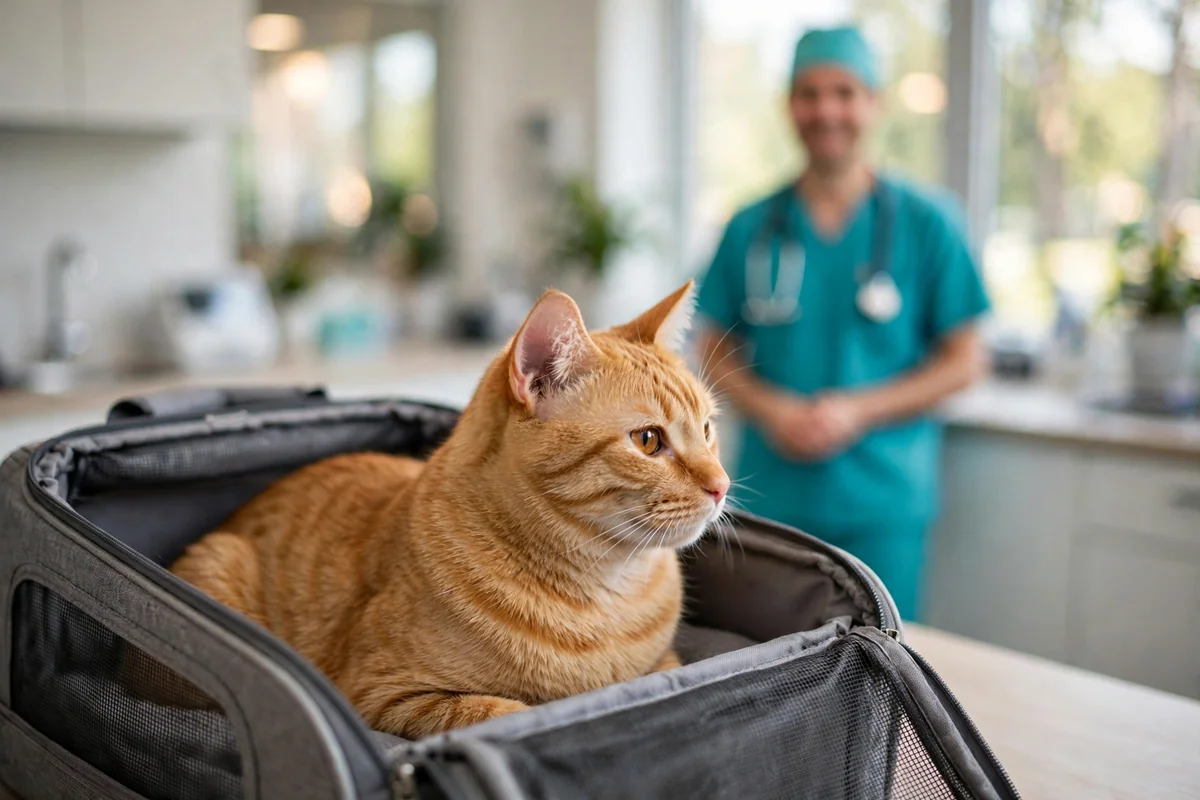
The fastest way to calm your cat for a vet visit is to prepare in advance: leave the carrier out for several days so it feels safe, burn off nervous energy with play before the trip, spray a calming pheromone inside the carrier, and keep the whole outing quiet and unhurried. Cats that arrive calm are easier to examine, which means a quicker, less stressful visit for everyone.
Most cats are not just "being difficult" at the vet — they are genuinely frightened. Unfamiliar smells, strange animals, slippery tables, and hands poking at them add up to a perfect storm of stress. The good news: a little preparation can change the whole experience. These 8 vet visit prep tips will help your cat walk in calmer, cope better with the exam, and bounce back faster afterward.
Why Vet Visits Stress Cats Out So Much
Cats are creatures of routine and territory, and a vet clinic disrupts all of it: the car ride, the smell of dogs in the waiting room, a cold slippery table, and a stranger handling their body. Stress hormones spike, raising heart rate and blood pressure — which can even skew test results. A frightened cat is harder to examine safely, so a few days of preparation genuinely leads to better care.
1. Turn the Carrier Into a Safe Spot — Days in Advance
The single most effective thing you can do is to stop treating the carrier as a once-a-year torture box. Set it out in the living room at least 3–5 days before the appointment, door open, with a soft familiar-smelling blanket inside. Toss treats in over a couple of days. Many cats will start napping in the carrier voluntarily — and a cat that walks in on its own is already halfway to calm.
If your carrier has a removable top, even better: at the clinic, the vet can lift the top off and examine your cat while they stay nestled in the familiar bottom half. For a step-by-step on early vet experiences, see our guide on your kitten's first vet visit.
2. Schedule Smart: Pick Low-Stress Appointment Times
Early-morning or early-afternoon weekday slots tend to be quieter than Saturday rushes. Ask the clinic when they are least busy — a calmer waiting room means less time near barking dogs. If your cat has a predictable rhythm, avoid booking during their deep-nap hours.
Arrive 10–15 minutes early — rushing through traffic guarantees you both arrive tense. Buffer time makes the whole morning feel unhurried.
3. Use a Calming Pheromone Spray in the Carrier
Feline facial pheromone sprays (the most widely known is Feliway) mimic the scent cats leave when they rub their cheeks on furniture — a "this is safe" signal. Spritz the inside of the carrier and the blanket 15–30 minutes before loading your cat, then let it dry so the alcohol carrier evaporates. Many vets use these sprays on exam tables and their own scrubs, and plenty of owners report visibly calmer cats.
They won't sedate a terrified cat, but combined with a familiar carrier they take the edge off.
4. Burn Off Nervous Energy With Play Before the Trip
A cat that has just had a good play session is looser, happier, and less reactive than one that has been napping all day and is suddenly ambushed. About 30–45 minutes before you need to leave, get out a wand toy and play until your cat is pleasantly tired — not exhausted, just satisfied. Follow the play with a small treat to complete the hunt–eat–groom–sleep cycle.
Leave a short rest between play and loading so you head out with a mellow cat, not a wired one.
5. Keep the Car Ride Calm and Quiet
The car ride is where many vet visits go wrong. Secure the carrier with the seatbelt or wedge it on the floor so it does not slide, and drape a light towel over the front to cut down on scary visual motion — leave one side open for airflow. Keep the radio low, drive smoothly, and talk in a low steady voice if your cat seems to like it (some prefer silence — read your cat).
Never open the carrier in the car, even if your cat meows pitifully. A panicked cat loose in a moving car is a danger to everyone. If the appointment involves longer journeys, the same carrier-calm principles apply (our travel with your cat guide covers bigger trips).
6. Guard the Waiting Room Like a Safe Zone
Once inside, keep the carrier on your lap or a bench — never on the floor where dog noses can investigate. Cover two or three sides of the carrier with a towel so your cat has a dark den with one peek-hole, and ask the receptionist if there is a cat-only waiting area (many clinics now have one). Sit away from the dog side if you can.
Resist lifting your cat out "to reassure them" — in the waiting room, the carrier is the safe spot. If your cat likes treats, offering one through the door can build a small positive moment into the wait.
7. Let the Vet Take the Lead During the Exam
At the exam, tell the vet what usually scares your cat, then stay calm and quiet yourself — cats read your tension remarkably well. Avoid hovering, loud soothing ("IT'S OKAY BABY, IT'S OKAY!"), and grabbing at your cat mid-exam, which usually escalates panic.
Many cat-friendly clinics examine cats in the carrier bottom and take breaks when a cat hits its limit. Ask questions now — write them down in advance so stress does not make you forget. Bring along any medications your cat takes, since dose changes sometimes follow the exam (our guide to giving your cat a pill can help if new medication comes home with you).
8. Plan a Peaceful Landing Back Home
The visit does not end at the clinic door. When you get home, set the carrier down in a quiet room, open the door, and let your cat come out on their own terms — do not tip or shake them out. Offer water, a familiar meal, and access to their favorite hiding spot. Some cats need a few hours of alone time; that is normal decompression, not a grudge.
If you have other pets, give the returning cat a little space first — they smell like the clinic, and housemates may hiss.
Mistakes That Make Vet Visits Worse
- Ambushing the cat. Chasing your cat around the house with the carrier minutes before leaving creates a fear memory that lasts. Start carrier time days ahead instead.
- Skipping food/water fasting instructions. If the clinic asks for fasting before bloodwork, follow it exactly — and if no fasting was requested, do not starve your cat "just in case."
- Using the wrong carrier. A flimsy or tiny carrier is unsafe and scary. A sturdy carrier with a top that opens is the gold standard for stress-free exams.
- Punishing fear behavior. Hissing, growling, and swatting at the clinic are fear, not disobedience. Scolding a frightened cat only raises their panic.
- Skipping visits to "spare them the stress." Avoiding the vet backfires: small problems become big, painful ones. Calmer visits make regular checkups sustainable.
Frequently Asked Questions
How do I calm my cat down before a vet visit?
Leave the carrier out days in advance with treats inside so your cat likes it. Play before the trip to burn off nervous energy, use a pheromone spray in the carrier, and keep the car ride calm. Arrive a little early so your cat can settle in the waiting room.
Can I give my cat a sedative for a vet visit?
Only with your veterinarian's approval. Some vets prescribe a mild anti-anxiety medication for cats that panic at the clinic, dosed for your cat's weight. Never use human sleep aids or leftover medication — they can be dangerous for cats.
Should I take my cat out of the carrier in the waiting room?
No. The waiting room is full of unfamiliar smells, sounds, and other animals. Keep the carrier on your lap or a bench (never the floor), cover part of it with a towel, and wait quietly.
Why does my cat hate the carrier so much?
Most cats only see the carrier on vet days, so they connect it with scary experiences. Leaving it out as normal furniture, with treats and naps inside, breaks that association.
What should I bring to my cat's vet appointment?
Bring the carrier with a familiar blanket, your cat's medications, vaccination records, a list of questions or symptoms, and high-value treats. For a first visit, bring any records from the breeder, shelter, or previous vet.