How to Groom a Long-Haired Cat: 9 Tips
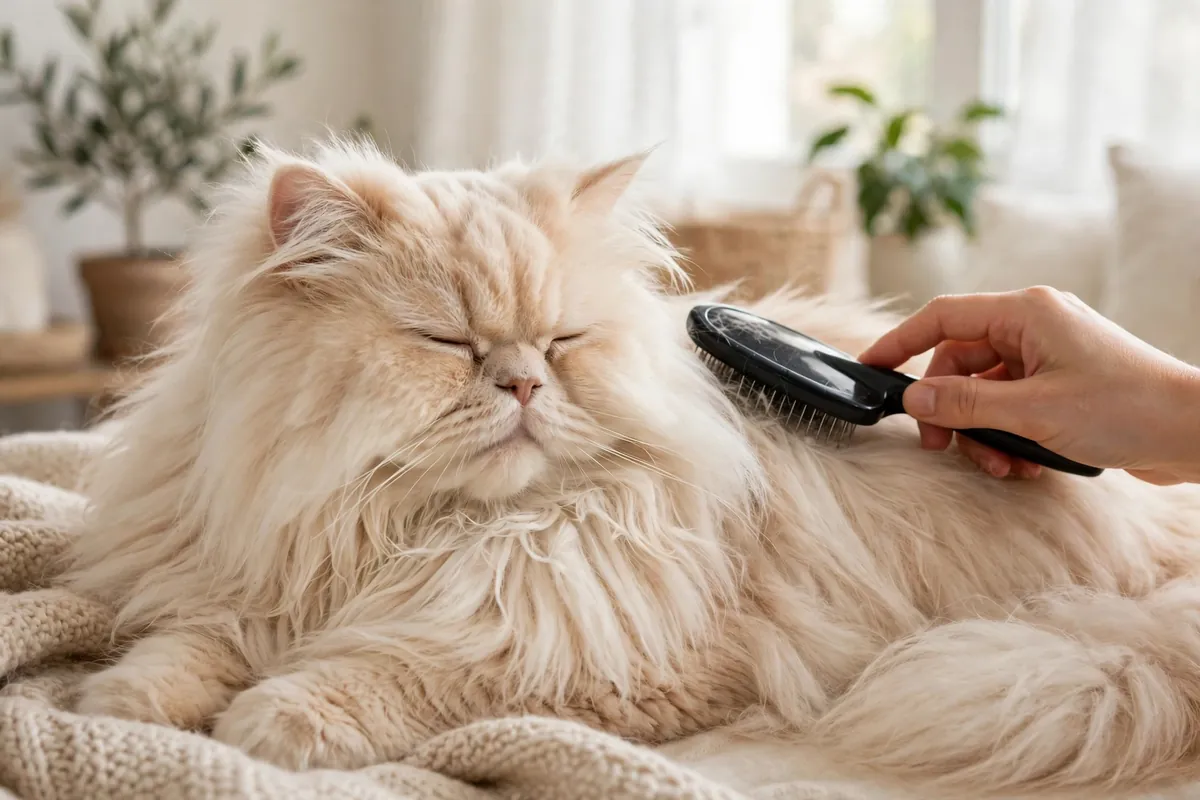
If you share your home with a long-haired cat — a Persian, a Maine Coon, a Ragdoll, or a gloriously fluffy rescue with mystery ancestry — you know that magnificent coat is both the glory and the job. All that fur doesn't stay silky on its own, and without regular attention it can drift from fabulous to felted faster than most new owners expect.
So how do you groom a long-haired cat properly? Brush them for a few minutes every day with a slicker brush followed by a steel comb, always working from the tips of the fur toward the skin; tease tangles apart gently instead of yanking, give extra attention to the belly and armpits where mats love to hide, bathe only when the coat truly needs it, and finish every session with treats so your cat starts looking forward to grooming time. Below, all nine tips are broken down step by step.
Why Long-Haired Cats Need More Grooming Than You'd Expect
Cats are famously self-sufficient groomers, and it's true that your cat spends a good part of each day washing that coat. But a long-haired cat's own tongue — for all its dedication — simply can't keep up with the sheer volume of fur. Loose hairs shed every day and, if they're not removed, they tangle with the living coat and slowly weave themselves into mats.
Mats aren't just a cosmetic problem. A mat pulls constantly on the skin underneath, which is uncomfortable at best and painful at worst. Tight mats trap moisture against the skin and block airflow, creating the perfect conditions for irritation and sores. And because long fur hides so much, problems like flaky skin, flea dirt, or small lumps can go unnoticed for weeks without a regular hands-on grooming routine.
The good news: a few minutes of daily brushing prevents almost all of this. Think of grooming as part of your cat's basic care, right alongside fresh water and a clean litter box — not a beauty treatment, but maintenance that keeps your cat comfortable and healthy. You'll find more everyday cat care advice across our Care Guides and the Purrfect Paws homepage.
Tip 1: Brush Daily — Short Sessions Beat Marathon Ones
The single most important habit is frequency. A quick daily brush of just a few minutes keeps loose fur from tangling, while an occasional long session mostly means wrestling with a week's worth of knots. Daily grooming is gentler on your cat, gentler on you, and far more effective at preventing mats.
Pick a calm moment — many cats are most receptive after a meal or a nap, when they're sleepy and relaxed — and keep it short, especially at first. A few relaxed minutes is plenty. If your cat gets restless, end on a good note with a treat rather than pushing for "one more stroke." You can always pick up the remaining section tomorrow.
Consistency also turns grooming into routine. Cats are creatures of habit, and a cat who gets brushed in the same sunny spot every evening quickly learns that the brush means pleasant attention, not a wrestling match.
Tip 2: Choose the Right Brushes — Slicker, Steel Comb, Detangling Tool
Not all brushes do the same job, and long-haired cats do best with a small toolkit rather than one miracle brush:
- Slicker brush. This is your daily workhorse. Its fine, bent wire bristles reach into the coat and sweep out loose fur and light tangles. Use gentle strokes in the direction of hair growth, and don't press hard — the tips shouldn't scratch the skin.
- Wide-tooth steel comb. After the slicker, run a steel comb through the coat. A comb finds the tangles a brush glides over, especially in the dense undercoat. Many groomers consider the comb the real test: if the comb slides through smoothly, the section is truly tangle-free.
- Detangling comb or dematting tool. For stubborn tangles, a detangling comb with rotating teeth or a blunt-edged dematting tool helps work knots apart with less pulling. Keep one on hand even if you rarely need it.
Avoid cheap brushes with sharp, rigid pins — they scratch skin and make cats hate grooming. And resist the temptation to attack the coat with an aggressive shedding blade; used too firmly, harsh deshedding tools can break the topcoat and damage the very fur you're trying to protect.
Tip 3: Always Work From the Ends of the Fur Inward
This one technique changes everything. When you meet a tangle, don't start at the skin and drag downward — that tightens the knot and pulls painfully. Instead, hold the base of the fur near the skin with one hand (so there's no pulling), and work the tangle from the outer ends inward with the other hand, a little at a time.
Work in small sections rather than tackling the whole cat at once. Lift a section of coat, brush or comb it through, then move on. For very long fur, parting the coat into layers and grooming one layer at a time — starting with the lowest layer near the skin — gives the most thorough result.
Watch your cat's body language as you go. A relaxed cat may purr or lean into the brush. A flicking tail, flattened ears, or skin twitching under your hand means you're pulling or pressing too hard — ease up, slow down, or move to a less sensitive area.
Tip 4: Detangle Mats Gently — and Never Cut Close to the Skin
Even with daily brushing, mats happen — especially during shedding season or if a few sessions get skipped. The key is patience: most small mats can be teased apart with your fingers or a wide-tooth comb, working from the outer edges of the mat toward the center, a few strands at a time. Misting the mat with a little water or a cat-safe detangling spray can help the fibers slide apart.
For a mat that won't tease out, a dematting tool with blunt, widely spaced teeth can split the mat lengthwise into thinner strips that are easier to comb through. Work slowly and keep checking your cat's comfort — if they flinch or cry out, stop.
What not to do: never slide scissors under a mat and cut close to the skin. Cat skin is paper-thin and loose, and it tents up into the mat — owners accidentally cut their cat's skin this way far more often than you'd think. If you must cut a mat, only snip the outer half well away from the skin, with a comb slid flat between the mat and the skin as a guard. If a mat sits tight against the skin, don't cut at all — let your vet or a professional groomer remove it safely.
Tip 5: Don't Skip the Trouble Spots — Belly, Armpits, and Behind the Ears
Mats don't form randomly; they form where fur rubs. The armpits (where the front legs meet the body), the belly, the britches at the back of the hind legs, and behind the ears are the classic trouble zones. The belly and armpits are the worst offenders because the fur there is fine, dense, and constantly in motion.
These areas need deliberate attention because most cats won't volunteer them. Many cats are touchy about their bellies, so go slowly: start with a few gentle comb strokes while your cat is relaxed, paired with treats, and build up over days. For armpits, gently lift the leg to expose the area and use short, careful strokes with the comb.
Behind the ears and around the collar area mat easily from rubbing, so check these spots every session. And don't forget the sanitary area — long fur around the rear can trap litter and waste. If that's a recurring issue, ask your groomer about a sanitary trim; it's a quick, routine service that makes life cleaner for everyone.
Tip 6: Bathe Only When the Coat Truly Needs It
Here's a relief for water-shy households: most long-haired cats do not need regular baths. Their own grooming handles everyday cleanliness, and over-bathing strips the natural oils that keep the coat soft and mat-resistant.
Bathe when there's a real reason — the coat feels greasy or sticky, your cat got into something messy, there's flaky buildup that brushing won't remove, or your vet recommends it for a skin condition. When bath day comes, use lukewarm water and a shampoo made specifically for cats, work the shampoo gently through the coat without scrubbing tangles tighter, and rinse thoroughly; leftover shampoo residue irritates skin and attracts dirt.
The most important part comes after: dry the coat completely. A damp undercoat is a mat factory. Towel-dry by pressing (never rubbing), then keep your cat in a warm, draft-free room until fully dry. For a full step-by-step walkthrough, see our guide on how to bathe a cat without getting scratched.
Tip 7: Step Up Grooming During Shedding Season
Twice a year — typically spring and autumn — cats shed their undercoat more heavily as they adjust to changing daylight and temperatures. Indoor cats may shed noticeably year-round, but the seasonal peaks are real, and this is when most mats are born.
During heavy shedding, add an extra short session to your day or make your regular session a little longer, focusing on the dense undercoat along the sides, belly, and rear. Removing that loose undercoat before it felts into the topcoat is the whole game. You'll also notice more fur on furniture and possibly more hairballs; regular brushing genuinely reduces both, since the fur ends up in the brush instead of on the sofa or in your cat's stomach. If hairballs become frequent or your cat seems to be struggling with them, mention it to your vet.
Tip 8: Know When to Call a Professional Groomer
There's no shame in calling in a professional — that's what they're for. Book a groomer (or ask your vet) when mats have tightened flat against the skin, when your cat won't tolerate home grooming no matter how patient you are, or when the coat has gotten beyond what home tools can fix. Professionals have the right tools and, just as importantly, the handling experience to work quickly and safely around sensitive skin.
Groomers are also the right call for specialty cuts. Some owners of very dense-coated cats opt for a shorter trim in hot weather or when the coat has matted badly — this should always be done by a professional with proper clippers, never with household scissors. Senior cats and arthritic cats also benefit from professional help, since they may be too sore to sit through home sessions and their skin is more fragile.
A good rhythm for many long-haired cats is daily home brushing plus a professional groom every couple of months — think of the groomer as your backup, not your replacement.
Tip 9: Keep Every Session Positive — Treats, Timing, and Reading Your Cat
The best grooming routine is the one your cat actually tolerates, and that comes down to association. Pair every session with good things: a favorite treat at the start and end, calm praise in a soft voice, and grooming in a comfortable spot your cat already likes. Over time, most cats learn that the brush predicts treats and attention, and some even start asking for it.
Timing matters as much as treats. Don't start a session when your cat is in full zoomie mode or staring intensely out the window at a bird. A sleepy, post-nap cat is your ideal grooming partner. And learn to quit while you're ahead: ending a session a minute before your cat gets annoyed teaches them that grooming always ends nicely.
Never punish a cat for squirming or swatting during grooming — that only confirms their suspicion that the brush is the enemy. If a session goes badly, just stop calmly and try again tomorrow. Starting these habits young makes everything easier; if you've just welcomed a kitten, our new kitten checklist covers gentle handling from day one.
Frequently Asked Questions
How often should I brush my long-haired cat?
Ideally every day, even if it is just for a few minutes. Daily brushing removes loose fur before it can tangle into mats. If daily is not possible, aim for at least several times a week — but know that skipping days is when most mats form, especially around the armpits and belly.
Can I cut mats out of my cat's fur myself?
Only with extreme caution, and only if you can slide a comb flat between the mat and the skin to protect it — then cut above the comb, never below it. Cat skin is very thin and pulls up into mats, so it is easy to cut accidentally. If the mat sits tight against the skin or your cat is in pain, let a groomer or vet remove it.
What is the best brush for a long-haired cat?
A combination works best: a slicker brush for daily loose-fur removal, followed by a wide-tooth steel comb to catch tangles in the undercoat. Keep a detangling comb on hand for stubborn knots. Avoid harsh brushes with sharp pins that scratch the skin.
Should I shave my long-haired cat in summer?
Usually not. A well-maintained coat actually insulates against heat as well as cold, and shaving can damage the coat's regrowth and leave skin vulnerable to sunburn. If the coat is badly matted or your cat struggles in heat, talk to a professional groomer or your vet about a safe trim instead of shaving at home.
My cat hates being brushed — what should I do?
Start with very short sessions of just a few strokes, paired with treats, and stop before your cat gets annoyed. Try grooming when your cat is sleepy, experiment with a gentler brush, and keep sessions calm and predictable. If your cat truly will not tolerate it, a professional groomer can keep the coat maintained without the stress.