Kitten Vaccination Schedule: What Shots and When
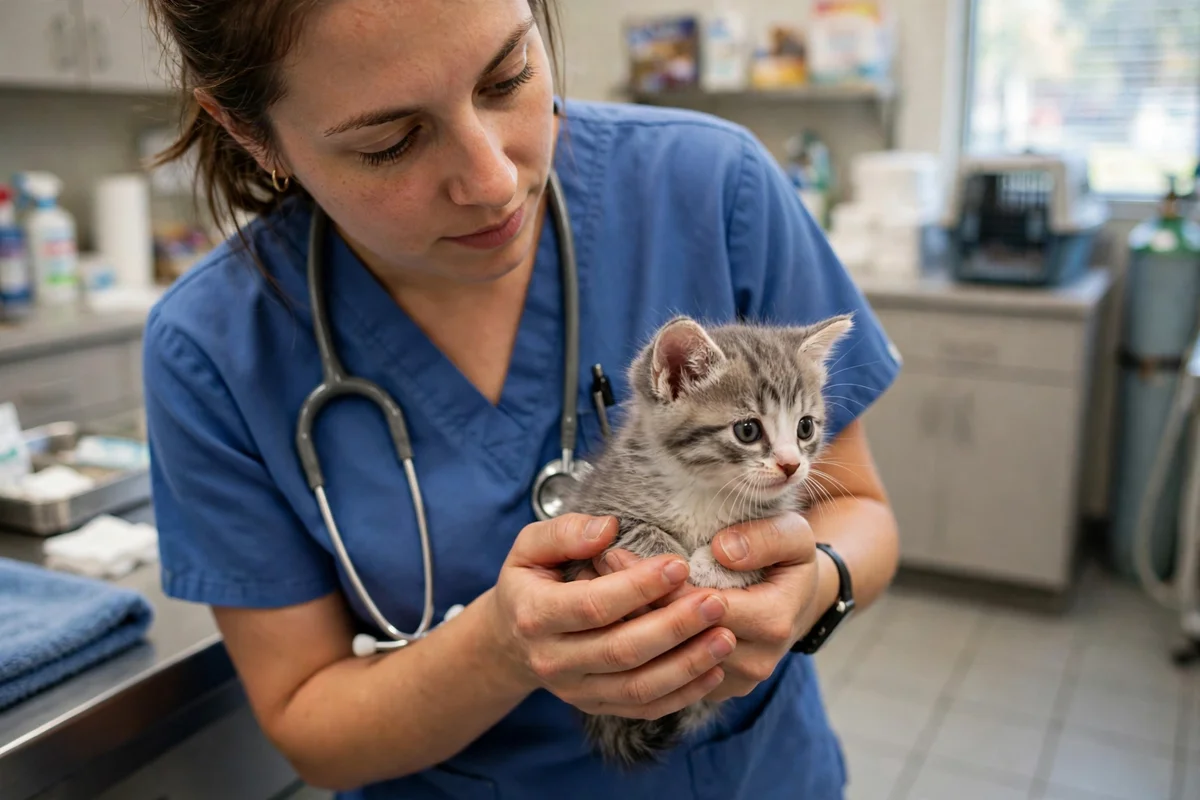
Bringing a new kitten home is exciting — and the first vet visits can feel confusing when the vet mentions a string of vaccine names and dates. The typical kitten vaccination schedule starts at around 6 to 8 weeks of age, with core vaccine boosters every 3 to 4 weeks until about 16 weeks, followed by a rabies shot and a booster at around one year of age. Your own vet's schedule is the one to follow, since it is tailored to your kitten's age, health, and local disease risk, but this guide explains what to expect at each stage.
Vaccines matter so much for kittens because their immune systems are still developing. Early in life, kittens are protected by antibodies passed on from their mother, but that protection fades over the first few months — exactly when they are most vulnerable to serious infections. The repeated booster shots are not a mistake or an upsell: each dose strengthens the kitten's own immune response as the mother's protection wears off.
What Are Core Kitten Vaccines?
Veterinarians divide vaccines into "core" and "non-core." Core vaccines are recommended for essentially every kitten, because they protect against diseases that are widespread, serious, or both. The core kitten vaccines are:
- Feline panleukopenia (FPV) — also called feline distemper, this virus attacks the immune system and gut and is especially dangerous for kittens.
- Feline herpesvirus (FHV-1) — a leading cause of upper respiratory infections, sneezing, eye problems, and mouth ulcers in cats.
- Feline calicivirus (FCV) — another common respiratory virus that can also cause mouth sores and, in rare strains, more severe illness.
These three are usually combined into a single injection often called the FVRCP vaccine, so your kitten gets one shot that covers all three diseases. Rabies vaccination is also considered core in most regions and is often required by law, though the age at which it is given can vary. Your vet will explain the rules that apply in your area.
The Typical Kitten Vaccination Timeline
Below is the schedule most vets follow. Think of it as a general guide — your vet may adjust the timing by a week or two depending on when your kitten was weaned, whether they came from a shelter, and local disease patterns.
- 6 to 8 weeks old — first visit and first FVRCP dose. This visit usually includes a full health check, a weight check, deworming if needed, and the first core vaccine. It is also a good time to ask about flea prevention and feeding.
- 10 to 12 weeks old — second FVRCP booster. The second dose builds on the first. Your vet may also check a stool sample for intestinal parasites at this visit.
- 14 to 16 weeks old — third FVRCP booster. This final kitten dose is important because it is the one most likely to "take" fully once maternal antibodies have faded.
- Around 12 to 16 weeks old — rabies vaccine. Many vets give the rabies shot at one of the later kitten visits, once the kitten is at least 12 weeks old. Local law may require it, so ask your vet about the timing.
- 12 to 16 months old — first adult booster. About a year after the kitten series, your cat returns for a booster of the core vaccines and, depending on local rules, a rabies booster. After this, most adult cats move to boosters every one to three years, as your vet recommends.
If you adopt a kitten older than 16 weeks with no vaccine history, your vet will usually start a two-dose series a few weeks apart instead of the full kitten course. The key point is the same either way: do not assume one shot is enough.
Non-Core Vaccines: What Your Vet Might Recommend
Non-core vaccines are given based on a cat's lifestyle and risk, not automatically. The most common is the feline leukemia virus (FeLV) vaccine, often recommended for kittens who will go outdoors or live with other cats whose FeLV status is unknown. Other vaccines, such as those for feline immunodeficiency virus (FIV), Bordetella, or Chlamydia, are used only in specific situations, such as multi-cat households or boarding environments. Your vet will weigh the benefits against your kitten's actual exposure risk, so do not be surprised if some of these are not offered — that usually means your kitten does not need them.
What to Expect After a Vaccination
Most kittens bounce back quickly, but mild side effects are normal for a day or two. You might notice:
- Sleepiness or wanting to rest more than usual
- A slightly reduced appetite for one meal
- Mild tenderness or a small lump where the injection was given
- A low-grade, short-lived temperature rise
These signs usually pass on their own within 24 to 48 hours. Keep your kitten comfortable, offer water and a quiet resting spot, and avoid scheduling vaccinations right before a stressful event like a move. Contact your vet promptly if you notice facial swelling, vomiting, repeated diarrhea, difficulty breathing, or a kitten that seems very weak or unresponsive — serious allergic reactions are rare, but they need immediate attention.
Keeping Your Kitten Safe Before the Series Is Finished
Until the kitten vaccination series is complete, usually around 16 weeks, it is safest to keep your kitten indoors and away from cats whose health and vaccine status you do not know. That includes avoiding dog parks, pet stores with roaming animals, and visits from unfamiliar cats. This is not about being overprotective — it is about timing. Once the series is done, your kitten has the immune protection they need to explore the world more safely, and your vet can confirm when it is fine to start supervised outdoor time or introductions to other pets.
Preparing for Each Vet Visit
A little preparation makes vaccination visits easier for both of you. Leave the carrier out at home for a few days beforehand so it smells familiar, and place a soft blanket inside. Book appointments at quieter times of day if your clinic offers them, and bring a list of questions: which vaccines are planned today, when the next visit is due, and what side effects to watch for. Bring any paperwork from the breeder or shelter, including prior vaccine records and deworming dates. After the visit, note the date and the vaccines given in a notebook or phone app — you will need that record for boarding, grooming, and future vet visits. For tips on making the trip itself less stressful, see our guide on preparing your cat for a vet visit.
What Vaccinations Cost — and Why They Are Worth It
Costs vary widely by clinic and region, and many vets offer a kitten package that bundles the whole first-year series with exams and deworming. While the total can feel like a lot at once, it is far less than treating the diseases these vaccines prevent: panleukopenia, for example, often requires days of hospitalization, and rabies is fatal once symptoms appear. If cost is a concern, ask your vet about payment plans, or look for low-cost vaccination clinics run by shelters and animal welfare groups in your area. Skipping vaccines to save money is a false economy, and your vet would rather help you find an affordable option than see an unprotected kitten.
Frequently Asked Questions
When should kittens get their first vaccinations?
Most vets start core kitten vaccinations at around 6 to 8 weeks of age, with booster doses every 3 to 4 weeks until the kitten is about 16 weeks old. Your vet will set the exact schedule based on your kitten's age, health, and local disease risk.
What vaccines do kittens need?
Core vaccines for kittens usually cover feline panleukopenia, feline herpesvirus, and feline calicivirus, often given as one combined shot. Rabies vaccination is also required in many regions. Your vet may recommend additional vaccines based on your kitten's lifestyle and risk.
Are kitten vaccinations safe?
Vaccines are generally very safe. Mild side effects like sleepiness, reduced appetite, or a small tender spot where the shot was given are possible for a day or two. Serious reactions are rare, but contact your vet right away if your kitten shows swelling of the face, vomiting, or difficulty breathing.
Can my kitten go outside before vaccinations are finished?
It is best to keep an unvaccinated kitten indoors and away from unknown cats until the vaccination series is complete, usually around 16 weeks. Until then, their immune system is still building protection, and outdoor exposure raises the risk of serious infections.
What if I adopted an older kitten and do not know its vaccine history?
Tell your vet what you do and do not know. In most cases, the vet will start a fresh vaccination series to be safe, since there is no reliable way to confirm past shots. Bring any paperwork from the shelter or breeder to the first visit.
New kitten owner? Start with our new kitten checklist and our first vet visit guide, or explore more care guides on the Purrfect Paws homepage.