10 Most Expensive Cat Breeds in the World
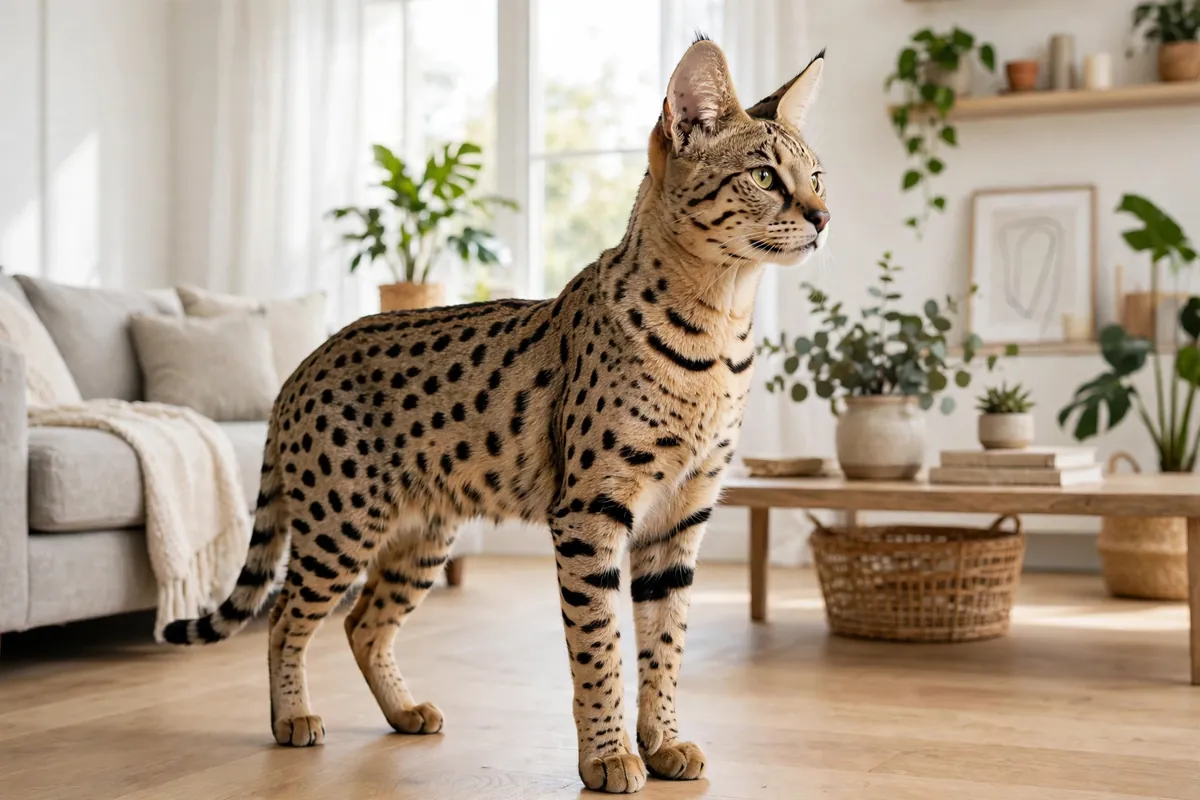
The most expensive cat breed in the world is the Savannah — first-generation kittens from a serval cross can cost $10,000 to $25,000, with exceptional examples going higher still. Those staggering prices come from rarity, breeding difficulty, and head-turning wild looks — not from better health or a better temperament than the rescue cat down the street.
While most of us adopt for a modest fee, a small market of rare and exotic breeds commands sums that rival a used car. What makes one kitten worth twenty thousand dollars and another priceless but free? Usually a cocktail of scarcity, difficult breeding, striking appearance, and sheer demand. Below, we count down the 10 most expensive cat breeds and the honest truth about whether a big price tag buys a better cat. Prices are approximate ranges — treat them as a guide, not a quote. If you are still deciding what kind of cat fits your life, start with our cat breed guides here at Purrfect Paws.
Why Do Some Cats Cost as Much as a Car?
Four forces drive extreme cat prices. Rarity comes first: breeds with tiny gene pools or few breeders worldwide simply have more buyers than kittens. Breeding difficulty follows — hybrid crosses like the Savannah involve a wild serval parent, small litters, and high veterinary costs. Demand does the rest: a breed that goes viral for its looks can see prices double in a few years. And show lineage adds a premium, since champion bloodlines and rare colors (lilac, cinnamon, odd-eyed whites) are prized by collectors.
What price does not buy is a guarantee of health or happiness. Some of the priciest breeds carry well-documented genetic issues, and a healthy $200 shelter cat can outlive a $10,000 kitten with a heart condition. Price is a market signal, not a quality certificate.
The 10 Most Expensive Cat Breeds
1. Savannah — $10,000–$25,000 (F1)
The undisputed heavyweight. The Savannah is a cross between a domestic cat and a serval, a medium-sized African wild cat — and first-generation (F1) kittens, with a serval as a direct parent, are the ones commanding five figures. They are tall, leggy, and spotted like miniature cheetahs, famously dog-like in loyalty: they follow owners room to room, learn to walk on leashes, and play fetch. Later generations (F2, F3 and beyond) cost far less. One important caveat: Savannahs are restricted or banned in some states and countries, so check your local laws before falling in love.
2. Khao Manee — $7,000–$11,000
Thailand's "white gem" is an ancient, all-white breed with a silken coat and famously odd-colored eyes — one blue, one gold or green. Revered in Thai culture for centuries as a bringer of good luck, the Khao Manee remained almost unknown outside Thailand until recently, and the breeding population is still small. That scarcity, plus their striking jewel eyes, keeps prices firmly in luxury territory.
3. Bengal — $3,000–$10,000+
With their rosetted, leopard-like coats, Bengals look like they wandered out of the jungle — fitting, since the breed began as a cross with the Asian leopard cat. Pet-quality Bengals are far more affordable, but top-tier show cats and early-generation kittens climb into five figures. They are athletes: energetic, vocal, fascinated by water, and happiest in homes that match their intensity. Read our full Bengal breed guide before committing — this is not a couch-potato cat.
4. Toyger — $3,000–$5,000
The Toyger ("toy tiger") was deliberately bred to resemble a miniature tiger, complete with bold vertical striping and a glittered coat. The breed is still relatively new and the number of dedicated breeders is small, which keeps prices high. Personality-wise, Toygers are a delight: playful, trainable, and unusually laid-back for such an exotic-looking cat.
5. Persian — $1,500–$5,000
The Persian has been a status symbol for over a century, and show-quality cats from champion lines still fetch serious money. Their glamorous long coat and famously calm temperament made them one of the world's most registered breeds for decades. The trade-off: that coat demands daily grooming, and the flat face brings well-known breathing and eye-care needs.
6. British Shorthair — $1,500–$3,500
With their teddy-bear roundness, plush dense coat, and copper eyes, British Shorthairs are pure charm — calm, dignified, and undemanding. Standard blue (gray) kittens sit at the lower end of the range, while rare colors like lilac and cinnamon from proven lines push toward the top. They are one of the steadiest, most easygoing breeds you can bring home.
7. Scottish Fold — $1,500–$3,500
Those folded ears — caused by a cartilage quirk — made the Scottish Fold an internet darling, and demand keeps prices high. But buyers should know the honest science: the same gene affects cartilage throughout the body and is linked to a painful joint condition (osteochondrodysplasia). Ethical breeders screen carefully and never breed fold-to-fold. If your heart is set on one, choose a breeder who is transparent about health testing, or consider a fold-eared rescue.
8. Sphynx — $1,800–$3,500
The hairless wonder looks like an alien and acts like a dog in a cat's body — clingy, warm-seeking, and endlessly social. Without fur to absorb skin oils, Sphynx cats need regular baths and frequent ear cleaning. What you get in return is one of the most affectionate, entertaining companions in the cat world.
9. Russian Blue — $1,500–$3,000
Silvery-blue double coat, emerald eyes, and a gentle, almost shy dignity — the Russian Blue is elegance in feline form. They bond deeply with their families while remaining politely reserved with strangers, and they are famously tidy, quiet cats. A limited breeder base and consistent demand keep well-bred kittens in the low thousands.
10. Maine Coon — $1,000–$2,500
The gentle giant rounds out the list as the most accessible luxury breed. Maine Coons are enormous, tufted, chirping softies — sociable, good with kids and dogs, and far less demanding than their price suggests. Their relative affordability (for this list) reflects a large, healthy breeding population rather than any lack of quality. For many families, the Maine Coon is the sweet spot: a spectacular cat without a spectacular invoice.
A note on the "Ashera": you may see this name on "most expensive" lists with prices above $20,000. The Ashera was marketed years ago as a new luxury breed, but the cats sold under that name turned out to be Savannahs — it is not a recognized breed, just a cautionary tale about marketing.
Beyond the Price Tag: The Real Cost of a Luxury Cat
The purchase price is only the entry fee. Rare breeds often bring higher ongoing costs: specialized diets, professional grooming for Persians, pet insurance (wise with five figures invested in an animal), and possible legal permits for hybrids like the Savannah. Budget honestly for 12–18 years of care — the sticker price should be the least of your financial planning, not the most.
Should You Buy One?
If you are set on a specific breed, do it right: visit the breeder in person, meet the kitten's mother, ask for health screening records, and run from anyone who will not answer questions or pressures you to pay fast. Never buy from pet stores or online sellers who ship kittens sight unseen. And remember the alternative: breed-specific rescues exist for Bengals, Persians, Maine Coons, Sphynx, and nearly every breed on this list — plus shelters are full of stunning cats, including purebreds, waiting for homes. The most expensive cat in the world is the one that is loved well, whatever it cost.
Frequently Asked Questions
What is the most expensive cat breed in the world?
The Savannah holds the crown — first-generation (F1) kittens from a serval cross can cost $10,000 to $25,000, with exceptional examples going even higher. Later generations cost considerably less.
Why are Savannah cats so expensive?
Breeding a domestic cat with a wild serval is difficult, with small litters and high breeder costs. Add intense demand for their striking wild appearance and dog-like personality, and prices climb steeply.
Are expensive cat breeds healthier than cheaper ones?
No — price reflects rarity, breeding difficulty, and demand, not health. Some expensive breeds carry well-known genetic issues, so health screening from a responsible breeder matters far more than the price tag.
Is the Ashera a real cat breed?
No. The Ashera was marketed years ago at astronomical prices as a new luxury breed, but the cats sold under that name were essentially Savannah cats. It is not a recognized breed.
Can I adopt an expensive breed instead of buying from a breeder?
Often, yes. Breed-specific rescues exist for Bengals, Persians, Maine Coons, Sphynx, and others, and shelters regularly take in purebred cats. Adoption fees are a fraction of breeder prices.