10 Most Affectionate Cat Breeds
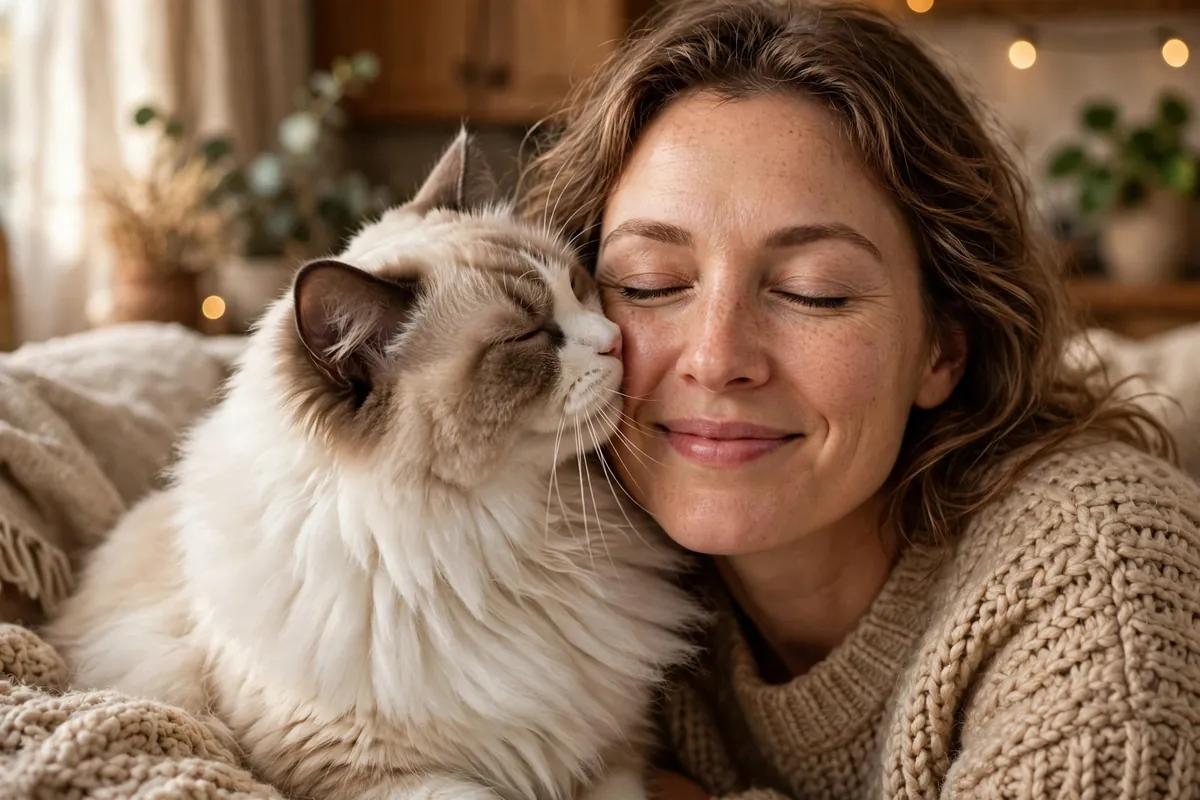
Looking for a cat who greets you at the door, sleeps on your chest, and follows you from room to room? The most affectionate cat breeds include the Ragdoll, Maine Coon, Siamese, Scottish Fold, Persian, Burmese, Tonkinese, Devon Rex, Abyssinian, and British Shorthair. These breeds are famous for seeking out human company, enjoying lap time, and showing love with headbutts, slow blinks, kneading, and full-body purring.
That said, "affectionate" looks different from cat to cat. Some breeds express love by draping across your keyboard all afternoon; others show it by quietly shadowing you around the house. This guide profiles each of the ten breeds with honest personality notes, grooming and care demands, and what daily life with them really feels like — so you can find a cuddle style that fits yours.
What Makes a Cat Breed "Affectionate"?
Affection in cats is about how strongly a breed tends to bond with people: how much it seeks physical contact, whether it follows family members around, and how it responds to strangers. Breeds developed as companion animals, rather than as independent working mousers, usually rank highest on these traits.
Two caveats matter. First, breed tendencies are averages, not promises — early handling and the individual cat's first weeks shape personality as much as genetics. Second, affection is a two-way relationship: a cat who feels safe, played with, and respected is far more likely to become a lap cat. Use this list as a starting point, then judge the individual cat in front of you.
The 10 Most Affectionate Cat Breeds
Here they are, from the biggest cuddle champions to calmer, steadier companions.
1. Ragdoll — The Ultimate Lap Cat
The Ragdoll earned its name from its habit of going completely limp when picked up. Famously dog-like in devotion, Ragdolls greet owners at the door, flop into laps, and often sleep stretched across their person's chest. These large, blue-eyed cats suit calm households and families. The trade-off is grooming: that silky semi-long coat needs regular brushing, and Ragdolls are strictly indoor cats. If maximum cuddliness is your goal, start here.
2. Maine Coon — The Gentle Giant
Maine Coons are among the largest domestic cats, yet they are famous for soft, sweet temperaments. They tend to be loyal "shadow" cats — following their favorite humans around without demanding constant holding. Expect chirps, trills, and a cat who wants to be near you rather than on you. They mature slowly and keep a playful streak into adulthood. Their size means bigger food bills, bigger litter boxes, and sturdier cat trees.
3. Siamese — The Talkative Companion
If you want a cat who acts like a tiny, opinionated roommate, the Siamese delivers. These blue-eyed cats bond intensely — often to one particular person — and will loudly tell you how they feel about everything. Siamese love being held, sitting on laps, and sleeping under the covers. They also dislike being left alone for long stretches and can get vocal or bored when lonely. Best for someone who is home often and wants a constant, chatty companion.
4. Scottish Fold — The Sweet Owl
With their folded ears and round faces, Scottish Folds look perpetually sweet — and their temperament usually matches. They are calm, gentle cats that bond closely with their families and famously sit upright like little humans. Folds love lap time but are not needy. Prospective owners should know the breed carries a genetic cartilage condition linked to those folded ears, so choose a breeder who health-tests and keep your Fold at a healthy weight.
5. Persian — The Calm Lap Sitter
Persians are the definition of serene devotion — not the type to race around the house, but the type to arrange themselves on your lap and stay there for hours. Quiet, gentle, and undemanding, they suit peaceful homes and owners who want a calm, predictable companion. The catch is maintenance: that long coat requires daily brushing, and their flat faces need regular eye cleaning. Once you are "their person," you have a devoted, fluffy shadow.
6. Burmese — The People Magnet
Burmese cats are famously people-oriented, often described as dog-like in their attachment. They crave attention, love being held and petted, and happily curl up in any available lap. They stay playful well into adulthood and enjoy interactive games and puzzle toys. Their short, satiny coat is low-maintenance. One caution: a Burmese left alone all day can get anxious, so they suit owners with flexible schedules or a second cat for company.
7. Tonkinese — The Social Butterfly
The Tonkinese is a cross between the Siamese and the Burmese, inheriting the best social traits of both: chatty, playful, and deeply attached to its family. Tonkinese follow their people around, greet guests at the door, and insist on participating in everything. They are energetic cuddlers — happy racing after a feather wand, then crashing on your chest afterward. Because they are so social, they thrive in households with people, kids, or other pets.
8. Devon Rex — The Clingy Little Elf
The Devon Rex looks like a mischievous pixie — huge ears, big eyes, wavy coat — and acts like your warmest blanket's biggest fan. Devons love heat and humans in equal measure: they perch on shoulders, burrow under duvets, and press against any warm body. Playful and acrobatic, they stay kitten-like for years. Their short coat sheds minimally, though the skin can get oily and need occasional wiping. If you want a cat who treats you like a space heater and best friend in one, look here.
9. Abyssinian — The Devoted Companion
Abyssinians show affection differently from the lap-sitters on this list: they express love by being involved in everything you do. This athletic, curious breed supervises cooking, "helps" with the laptop, and patrols every room with you. They form deep, loyal bonds and often choose one favorite person. Their short ticked coat is wash-and-wear easy. Think of them as affectionate in motion — ideal for active owners who want an engaged partner rather than a decorative lap cat.
10. British Shorthair — The Dignified Sweetheart
British Shorthairs are the calm, teddy-bear type: chunky, plush-coated, and quietly devoted. They show affection in an understated way — sitting beside you rather than on you, greeting you with slow blinks, and enjoying gentle chin scratches. Famously undemanding, they handle alone time better than most breeds on this list. Their dense coat needs weekly brushing, and they can gain weight easily, so portion control matters.
How to Choose the Right Cuddly Cat for Your Home
Start by matching energy levels. If you want a cat draped across your lap all evening, lean toward Ragdolls, Persians, or British Shorthairs. If you want an interactive companion who plays and chatters, look at Siamese, Tonkinese, Burmese, or Abyssinians. Be honest about your schedule, too: the most people-dependent breeds — Siamese, Burmese, Tonkinese — genuinely struggle with long solitary days, while British Shorthairs and Persians cope better.
Factor in grooming too. Longhaired lap cats like Ragdolls and Persians are wonderful, but their coats are a real weekly commitment. And wherever you look, prioritize the individual: spend time with the actual cat, ask breeders or shelters about personality, and remember that a well-socialized mixed-breed rescue can be every bit as affectionate as a pedigree.
Frequently Asked Questions
What is the most affectionate cat breed?
The Ragdoll is most often named the most affectionate cat breed. Ragdolls famously go limp like a rag doll when picked up, follow their people from room to room, and seek out lap time constantly. Individual personality still varies, but Ragdolls are the breed most reliably associated with cuddle-seeking behavior.
Are male or female cats more affectionate?
Individual personality and socialization matter far more than sex. That said, many owners describe neutered males as slightly more lap-oriented and females as slightly more selective with affection — but there are countless exceptions. Spend time with the individual cat before deciding.
Can a rescue or shelter cat be affectionate?
Absolutely. Affection depends mostly on socialization, trust, and past experiences — not pedigree. Many shelter cats are deeply loving, and shelters can often tell you which cats are the biggest cuddlers. Ask staff about personality, not just looks.
Why isn't my "affectionate breed" cat cuddly?
Breed tendencies are averages, not guarantees. Stress, health issues, a recent move, or a lack of early socialization can all make a cat more reserved. Build trust slowly with gentle play and treats on their terms, and have a vet rule out pain if the change is sudden.
Do affectionate cats need more attention?
Generally yes. People-oriented breeds can become bored or lonely when left alone for long hours. Plan for daily interactive play, window perches for entertainment, and consider a feline companion if you work long days — affectionate breeds often do well in pairs.