Singapura: Complete Breed Guide
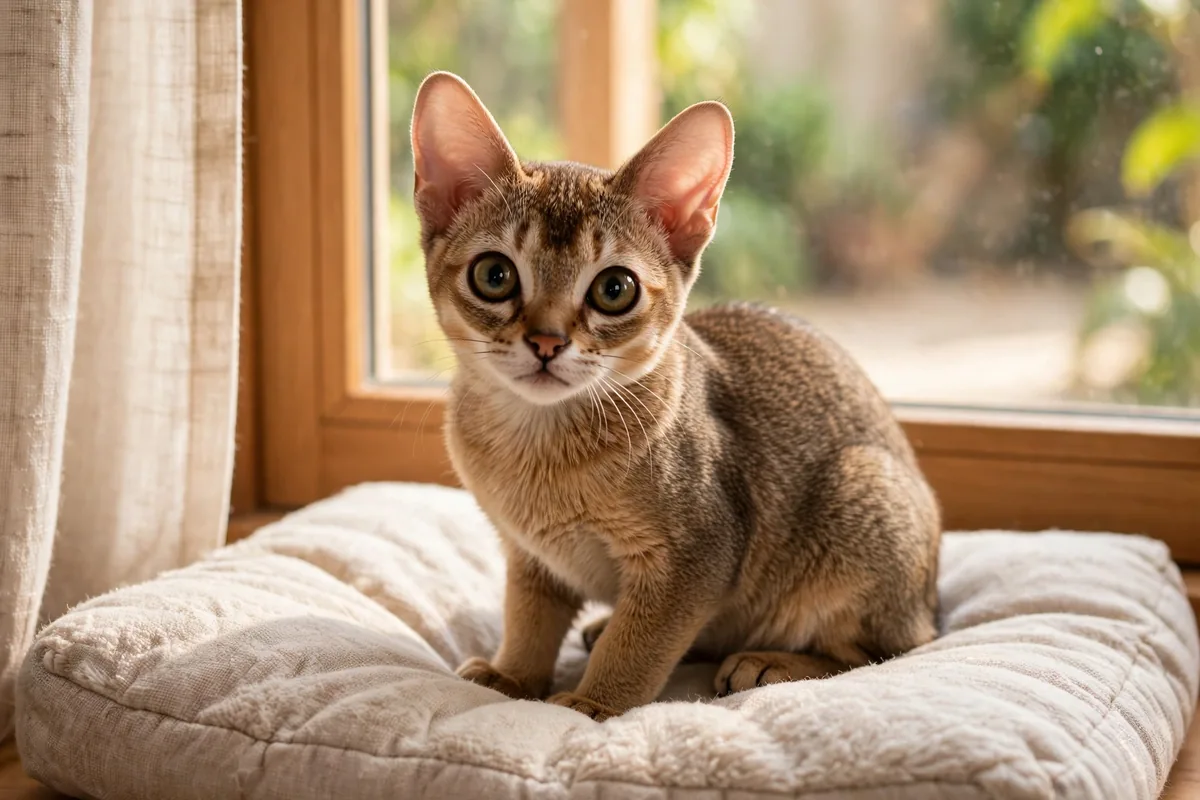
The Singapura is the smallest of all domestic cat breeds, a pocket-sized cat with enormous eyes, a delicate frame, and a personality far bigger than its body. Weighing barely more than a bag of sugar, it is a fearless extrovert that climbs to the highest shelf in the house, greets visitors at the door, and insists on being at the center of everything. It is hard to believe something so small can be so confident.
The breed comes from the streets of Singapore, where it lived as a free-roaming street cat before being brought to the United States in the 1970s. Today it is a beloved, if uncommon, companion breed. This guide covers the Singapura's origins, appearance, temperament, grooming, health, and whether this tiny extrovert fits your home.
Singapura at a Glance
The Singapura is a tiny cat, usually weighing between 2 and 3 kilograms, with females often smaller than males. Its coat is a warm sepia-brown with a ticked pattern, each hair banded with darker and lighter shades, giving a soft, shimmering effect. The eyes are huge, almond-shaped, and usually hazel, green, or yellow, dominating a small, rounded face with large, upright ears.
Singapuras are playful, curious, and remarkably fearless. They love heights, they love people, and they stay kitten-like well into adulthood. They typically live 12 to 15 years, and they thrive in homes where they get plenty of attention and play.
Origin and History: From Singapore's Streets
The Singapura's story begins on the streets of Singapore, where small ticked cats lived as free-roaming street cats, sheltering in drains and markets. In the 1970s, American breeders Tommy and Hal Meadow brought three of these cats to the United States and began a breeding program, giving the breed its name, Singapura being the Malay name for Singapore.
The breed was recognized by cat associations in the 1980s, and Singapore later adopted the Singapura as a national mascot, celebrating it as a symbol of the city. There has been debate about whether the founding cats were truly street cats or Burmese-Abyssinian crosses, but the breed's distinctive look and temperament are now well established.
Appearance: Small Body, Huge Eyes
Everything about the Singapura is small except its eyes. The body is tiny and muscular, with a short, fine coat in a single pattern: sepia agouti, a warm brown ticked coat that is darker along the spine and lighter on the belly. The tail is slender and usually has a dark tip, and the nose leather and paw pads are a warm salmon-brown.
The eyes are the breed's most striking feature: huge, almond-shaped, and outlined in dark liner, giving the cat a permanently surprised, endearing expression. The ears are large and slightly pointed, set wide apart. Despite the delicate look, the Singapura is a sturdy, well-muscled little cat, built for climbing and jumping.
Personality and Temperament: A Fearless Extrovert
Singapuras are extroverts. They greet visitors, follow their owners around, ride on shoulders, and climb to the highest perch in the room to survey their kingdom. They are playful and curious, and they stay interested in toys and games long after other breeds have settled down. Many owners say their Singapura behaves more like a kitten than an adult cat, even at ten years old.
They are also deeply people-oriented and do not like being left alone for long. A Singapura left alone all day can become lonely and anxious, so they do best in homes where someone is around, or where a second cat provides company. They are gentle with children and usually get along well with other pets.
Grooming a Short Ticked Coat
Grooming a Singapura is very easy. The short, fine coat needs only a weekly brush with a soft brush or grooming glove to remove loose hair and keep the shine. They shed lightly, and most owners find that one quick session a week is enough.
Because Singapuras are small, it is worth handling them gently during grooming and nail trims, and getting them used to the routine from kittenhood. Keep the ears checked, the claws trimmed, and the teeth brushed when you can, and the rest of the routine is the same as for any cat.
Singapura Health and Lifespan
Singapuras typically live 12 to 15 years. The breed is generally healthy, but its small gene pool means a few conditions appear more often than in other breeds. The most notable is pyruvate kinase deficiency, a blood condition that can cause anemia, and responsible breeders test for it before breeding.
Some Singapuras can also be prone to uterine inertia, a difficulty giving birth, which is one reason breeders plan deliveries carefully. Choose a breeder who health-tests for pyruvate kinase deficiency, keep up with vaccinations and annual vet visits, and your Singapura has a good chance of a long, healthy life.
Is the Singapura Right for You?
The Singapura is right for you if you want a tiny, fearless, endlessly entertaining cat that acts like a kitten for years. You will get a devoted companion that rides on your shoulder, greets your guests, and climbs to the top of the bookshelf to watch the world. It suits flats and smaller homes well, because it does not need a huge amount of space, just heights to climb and people to love.
It is not right for you if you are away all day, or if you want a calm, independent cat. Singapuras need attention and company, and a lonely Singapura is an unhappy one. But if you can give this little extrovert the company it craves, it will repay you with years of affection and entertainment.
Frequently Asked Questions
Is the Singapura really the smallest cat breed?
Yes, the Singapura is generally considered the smallest domestic cat breed, with most adults weighing between 2 and 3 kilograms. Females are usually smaller than males. Despite the tiny size, they are sturdy, muscular cats, not fragile, and they are excellent climbers and jumpers.
Are Singapuras hypoallergenic?
No cat breed is truly hypoallergenic, but Singapuras shed very little and have a short, fine coat, which some allergy sufferers find easier to live with. They still produce the Fel d 1 protein that triggers allergies, so spend time with the breed before committing if allergies are a concern.
Do Singapuras get along with other pets?
Yes, Singapuras are social and usually enjoy the company of other cats and cat-friendly dogs. Their confident, extroverted nature helps them adapt, though slow, supervised introductions are still best. They are also gentle and patient with children.
How much does a Singapura kitten cost?
From a reputable breeder, a Singapura kitten usually costs between $1,200 and $2,500, depending on pedigree and location. The breed is uncommon, so waiting lists are normal. Always verify that the breeder tests for pyruvate kinase deficiency before paying a deposit.
Do Singapuras like to be held?
Most Singapuras love being close to their people, and many enjoy riding on shoulders or curling up in a lap. They are affectionate rather than aloof, though each cat has its own preferences. Let your Singapura choose when to be held, and it will seek you out often.