Munchkin Cat: Complete Breed Guide
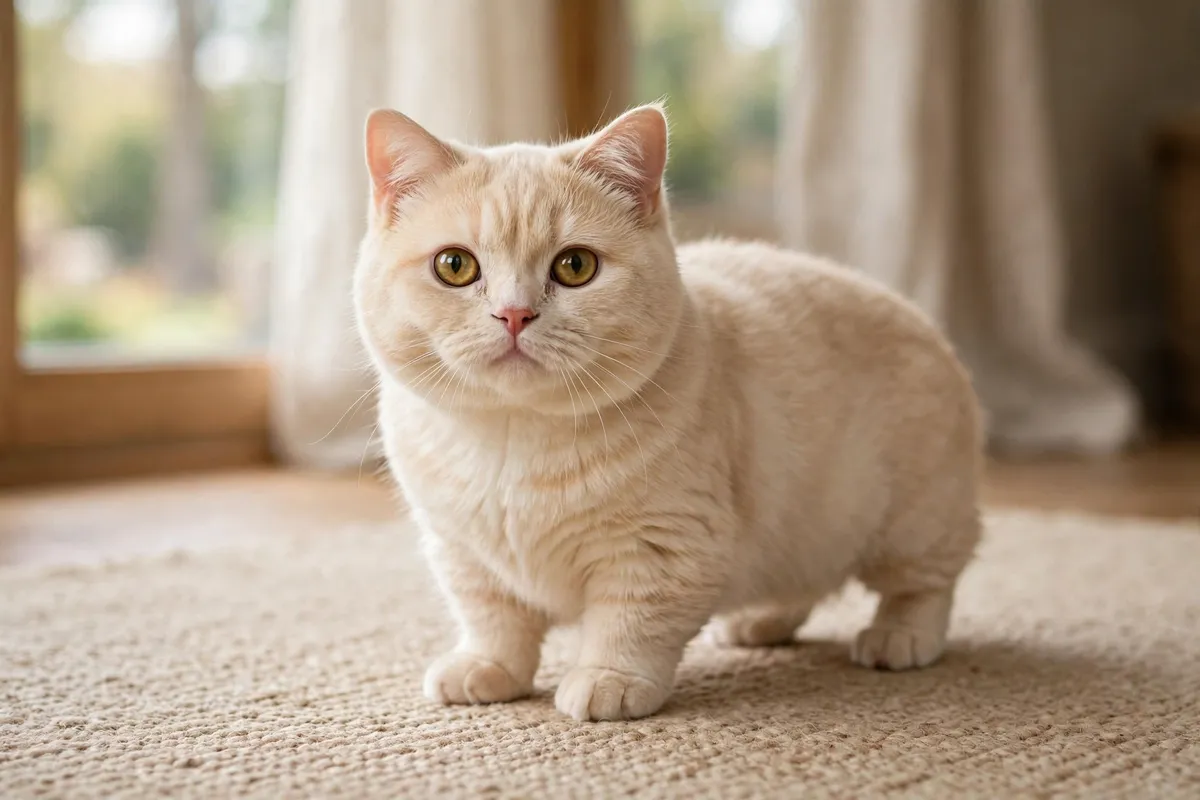
If you have ever seen a cat that looks like a dachshund in feline form, you have met a Munchkin. With legs roughly half the length of an average cat's, the Munchkin is one of the most instantly recognizable — and most misunderstood — breeds in the cat world. It is a small to medium-sized cat defined by a naturally occurring mutation that shortens its legs. Despite their build, Munchkins run, play, and climb like any other cat, and their playful, people-loving personality has earned them the nickname the "ferret of the cat world."
So is a Munchkin right for you? For many households, yes — they are social, adaptable, and endlessly entertaining, and usually get along beautifully with children and other pets. But they are an active breed with real care needs, and the breed remains debated in some cat fancy circles. This guide covers the origin story, personality, care, honest health notes, and how to find a responsible breeder — or a Munchkin mix through adoption.
The Munchkin Origin Story: From Street Cat to Recognized Breed
Short-legged cats are not a modern invention. A British veterinary journal described a short-legged cat back in 1944, and similar cats were reported in Russia and the United States over the decades — though wartime upheaval meant those early lines never developed into a breed. The Munchkins we know today trace back to a single stray in Louisiana.
In 1983, Louisiana music teacher Sandra Hochenedel took in a pregnant short-legged stray she named Blackberry. About half of Blackberry's kittens inherited her short legs — including a male named Toulouse, who went to a friend's home. Those two cats became the foundation of the modern Munchkin breed.
The International Cat Association (TICA) accepted the Munchkin in the mid-1990s and granted it championship status in 2003. Not every registry followed suit — some have declined recognition over welfare concerns, a debate worth understanding before you bring one home.
Why Are Munchkin Cats' Legs So Short?
The Munchkin's signature look comes from a naturally occurring genetic mutation — not human engineering. The gene is dominant, so a kitten needs only one copy to develop short legs. Because two copies are not viable, responsible breeders always pair a Munchkin with a non-carrier — which is why litters contain a mix of short-legged ("standard") and normal-legged ("non-standard") kittens.
Non-standard Munchkins are full members of the breed with the same personality — they simply have regular legs. The mutation affects only the long bones of the legs; a Munchkin's spine and body plan are like any other cat's, which is why most move, stretch, and groom normally — just closer to the ground.
Munchkin Cat Personality: The Ferret of the Cat World
Munchkin owners almost always cite the personality first. These cats stay kitten-like well into adulthood: playful, curious, and always ready for a game. Their bouncy movement and habit of collecting small objects — bottle caps, hair ties, crinkly toys — and stashing them in hiding spots have earned comparisons to ferrets and the nickname "magpies."
Munchkins are also famously social. They bond closely with their people, follow their owners from room to room, and greet visitors at the door rather than hiding under the bed. One of the breed's most endearing quirks is the "prairie dog" pose: Munchkins frequently sit upright on their haunches, balancing with their tail, to get a better look at something interesting — a pose that never fails to make people laugh.
Munchkins are also smart: they learn their names quickly, can be taught to fetch, and enjoy food puzzles. Their outgoing nature helps them integrate well into multi-pet homes, and they are frequently recommended as family cats — provided children handle all cats gently.
Size, Weight, and Appearance
The Munchkin is a small to medium-sized cat. Males generally weigh 6 to 9 pounds; females 5 to 7. Their bodies are otherwise normally proportioned — medium in length with a slight rise from shoulders to hips, since the hind legs are a touch longer than the front legs.
The breed comes in short and long coats and virtually every color and pattern, from solid black to tabby to pointed — no two Munchkins look exactly alike, which is part of their charm. If you are still comparing breeds, browse our full set of cat breed guides.
Munchkin Cat Care Guide
Caring for a Munchkin is much like caring for any active, social cat — with a few adjustments for those short legs.
Play and exercise
Munchkins need daily interactive play — wand toys, crinkle balls, and puzzle feeders are big hits. Do not be fooled by the short legs: these cats run surprisingly fast. Two or three short sessions a day keep most Munchkins content.
A leg-friendly home
Munchkins jump lower than long-legged cats, so low cat trees, pet steps, and ramps help them reach windowsills and favorite perches without straining.
Grooming
Short-coated Munchkins need only a weekly brushing to remove loose hair. Long-coated Munchkins do better with brushing two or three times a week to prevent tangles. Like all cats, they also need regular nail trims, dental care, and ear checks.
Weight management
Extra weight stresses a Munchkin's short legs and spine, so measured meals, limited treats, and daily play matter — ask your vet about your cat's ideal weight. Like all cats, Munchkins should live indoors; find more indoor-care ideas on Purrfect Paws.
Munchkin Health: An Honest Look
Munchkins are generally healthy cats, typically living 12 to 15 years. Because of their build, some vets watch for spinal curvature (lordosis, where the spine dips inward) and joint strain over time — though research on how common these issues are is still developing, and many Munchkins live long, active, pain-free lives.
The broader debate concerns the ethics of breeding for very short legs. Critics worry it could limit natural movement; supporters counter that Munchkins run, play, and groom normally. Practical takeaways: choose a health-testing breeder, keep your Munchkin lean and active, schedule regular checkups, and report any change in mobility — stiffness or reluctance to play — to your vet promptly.
Is a Munchkin Cat Right for Your Home?
Munchkins thrive where they get attention and play: families with children, multi-pet households, and owners home enough to enjoy an interactive companion. They adapt well to apartments — they need an engaged human and good toys, not a mansion. They suit calm-cat seekers less well, and poorly fit households empty for very long hours; a lonely Munchkin grows bored and mischievous. This breed truly shines with involved owners.
Finding a Responsible Munchkin Breeder (and Adoption Options)
A good breeder health-tests their breeding cats, provides veterinary records, shows you where kittens are raised, and keeps kittens with their mother until at least 12 weeks. Avoid "teacup" marketing, hidden living conditions, or suspiciously low prices. Also consider adoption: Munchkin mixes appear in shelters and breed-specific rescues, often surrendered by owners who underestimated the breed's energy. Check local shelters and rescue groups before you buy.
Frequently Asked Questions
Do Munchkin cats have health problems because of their short legs?
Munchkins are generally healthy, but owners should stay alert: some vets watch for spinal curvature (lordosis) and joint strain, and a healthy weight is especially important. Regular checkups and a health-testing breeder are the best safeguards.
Can Munchkin cats jump and climb like normal cats?
Munchkins run surprisingly fast and play hard, but they cannot jump as high as long-legged cats. They do best with low cat trees, pet steps, or ramps that let them reach favorite perches without straining.
Are Munchkin cats good with kids and dogs?
Yes — Munchkins are social, tolerant, and playful, suiting families with children and homes with cat-friendly dogs. As always, supervise young children and introduce new pets gradually.
How long do Munchkin cats live?
Indoor Munchkins typically live 12 to 15 years. A healthy diet and weight, regular veterinary care, and an indoor lifestyle all support a long life.
Why are Munchkin cats controversial?
Critics argue breeding for very short legs could compromise welfare; supporters point to healthy, active Munchkins living full lives. The breed is recognized by TICA but not every registry, so the debate continues.