Why Does My Cat Have a Runny Nose? Causes & When to See a Vet
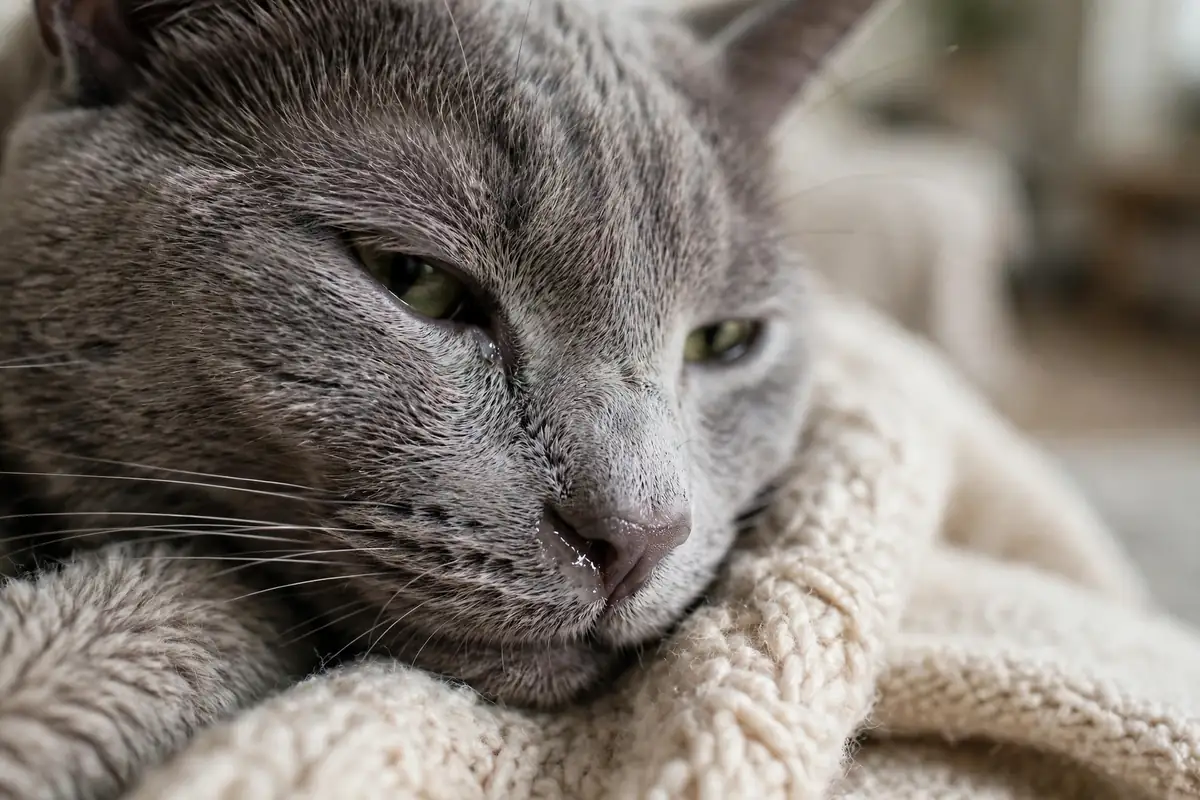
A runny nose in a cat is not always a reason to panic, but it is always worth understanding. A healthy cat's nose is usually cool and slightly damp, so a little moisture is normal. What matters is how much discharge there is, what it looks like, and whether your cat has other symptoms. A clear, watery drip for a day or two after a dusty afternoon is very different from thick, coloured discharge that lasts a week and comes with a loss of appetite.
The most common causes of a runny nose in cats are upper respiratory infections — the feline version of a cold — and allergies or irritants in the home. Dental problems, foreign objects, and, rarely, growths in the nose can also cause discharge, especially when it comes from only one nostril. This guide walks through each cause, explains what the discharge is telling you, and shows you exactly when home care is enough and when your cat needs a vet.
What a Healthy Cat Nose Looks Like
Before worrying about a runny nose, it helps to know the baseline. A healthy cat's nose leather is usually moist and cool, though it can dry out after sleep, sunbathing, or time near a heater without meaning anything is wrong. Cats also lick their noses frequently to keep them moist, because a damp nose helps them smell better. A single clear drop after a sneeze, or a slightly wet nose on a warm day, is not a runny nose in the medical sense.
A true runny nose — called nasal discharge by vets — is discharge you can actually see: wetness around the nostrils that keeps returning, drips onto the fur, or crusts as it dries. Pay attention to whether it comes from one nostril or both, whether it is clear or coloured, and whether your cat is sneezing, pawing at his face, or breathing noisily. Those details are exactly what your vet will ask about, so noticing them now saves time later.
Common Causes of a Runny Nose in Cats
Upper respiratory infections are the leading cause, particularly in kittens, unvaccinated cats, and cats from shelters or multi-cat homes. Feline herpesvirus and calicivirus are the usual culprits, and they spread easily between cats through sneezes, shared bowls, and grooming. Alongside a runny nose, infected cats often sneeze, develop watery or goopy eyes, eat less because they cannot smell their food, and seem quieter than usual. Most mild cases improve within one to two weeks with supportive care, but secondary bacterial infections sometimes need veterinary treatment.
Allergies and irritants are the second major group. Cats can react to pollen, house dust, mould, cigarette smoke, scented litter, cleaning sprays, and air fresheners. Allergic discharge is usually clear and watery and comes from both nostrils, often with sneezing and itchy, watery eyes, but without fever or loss of appetite. Dental disease is a sneakier cause: the roots of the upper teeth sit just below the nasal passages, so an infected tooth or abscess can produce discharge, often from one side, along with bad breath, drooling, or difficulty eating on that side.
Less common causes deserve mention because they change the urgency. A blade of grass, a seed, or another small object stuck in a nostril typically causes sudden, one-sided discharge and frantic sneezing or pawing at the face. Nasal polyps — benign growths — can cause chronic one-sided discharge and noisy breathing, especially in younger cats. Tumours are rare and usually affect older cats, with discharge that may contain blood and progress over weeks. One-sided discharge, in particular, should always be checked rather than watched at home.
What the Colour of the Discharge Means
Clear and watery discharge usually points to allergies, mild irritation, or the early stage of a viral infection. It is the least worrying type on its own, but it still matters if it persists beyond a few days or comes with other symptoms. White or slightly cloudy discharge can appear as a mild infection develops, while thick yellow or green discharge usually suggests a bacterial infection that may need veterinary treatment — the colour comes from white blood cells fighting the infection, not from the infection being automatically severe.
Bloody discharge, even a small amount, should always prompt a vet call, especially if it is one-sided or keeps recurring. It can follow a vigorous sneezing fit or a minor nose injury, but it can also signal a foreign object, a polyp, or a more serious nasal problem. Do not try to look deep inside your cat's nose yourself — you are likely to cause distress and may push an object further in. Note the colour, the side, and when it started, and let your vet decide how urgently your cat needs to be seen.
Home Care for a Mild Runny Nose
For a bright, eating cat with mild, clear discharge, home care focuses on comfort and monitoring. Gently wipe discharge from around the nostrils with a soft, damp cloth — never use cotton buds inside the nose. A steamy bathroom can help: run a hot shower with the door closed for ten minutes and sit with your cat in the steam, which loosens congestion. Offer warmed, strong-smelling wet food, since a stuffy cat who cannot smell food may stop eating, and keep fresh water in several places.
Reduce irritants while your cat recovers. Switch to unscented, low-dust litter, avoid air fresheners, scented candles, and harsh cleaning sprays near your cat, and vacuum and dust regularly. Keep other cats' bowls separate if one cat is ill, and wash your hands between handling cats in a multi-cat home. Never give human decongestants, cold medicines, or leftover antibiotics — many are toxic to cats, and the wrong medicine can mask symptoms while the real problem worsens.
When to See the Vet
Call your vet if discharge lasts more than a few days, turns thick yellow, green, or bloody, comes from only one nostril, or comes with loss of appetite, difficulty breathing, mouth breathing, lethargy, or eye discharge that glues the eyes shut. Kittens, senior cats, and cats with chronic illnesses should be seen sooner, as they dehydrate and deteriorate faster. A cat who stops eating for more than 24 hours needs prompt attention regardless of the nose, because cats can develop serious liver problems after even short periods without food.
Your vet will examine the nose, mouth, and teeth, check for fever and dehydration, and may test for respiratory viruses or take a sample of the discharge. Treatment depends on the cause: supportive care and fluids for viral infections, antibiotics for bacterial ones, dental treatment for a bad tooth, or removal of a foreign object or polyp under sedation. Most runny noses turn out to be minor, but the vet visit is what separates the minor ones from the ones that need real treatment.
Frequently Asked Questions
Is a slightly wet cat nose normal?
Yes. A healthy cat's nose is usually cool and slightly damp. A runny nose means visible discharge that keeps returning or crusts around the nostrils, not just normal moisture.
What does green nasal discharge in a cat mean?
Thick yellow or green discharge usually suggests a bacterial infection and is worth a vet visit, especially if it lasts more than a couple of days or comes with appetite loss or lethargy.
Can I give my cat a human decongestant for a runny nose?
No. Human decongestants and cold medicines can be toxic to cats. Use steam from a hot shower and gentle wiping instead, and ask your vet about safe options.
Why is only one nostril runny on my cat?
One-sided discharge raises the chance of a foreign object, dental infection, polyp, or other local problem in that nostril, and it should be checked by a vet rather than monitored at home.
How long does a cat cold last?
Most mild upper respiratory infections improve within one to two weeks with supportive care. If symptoms worsen or last beyond that, or your cat stops eating, see your vet.