Why Is My Cat Limping? 8 Causes and When to See a Vet
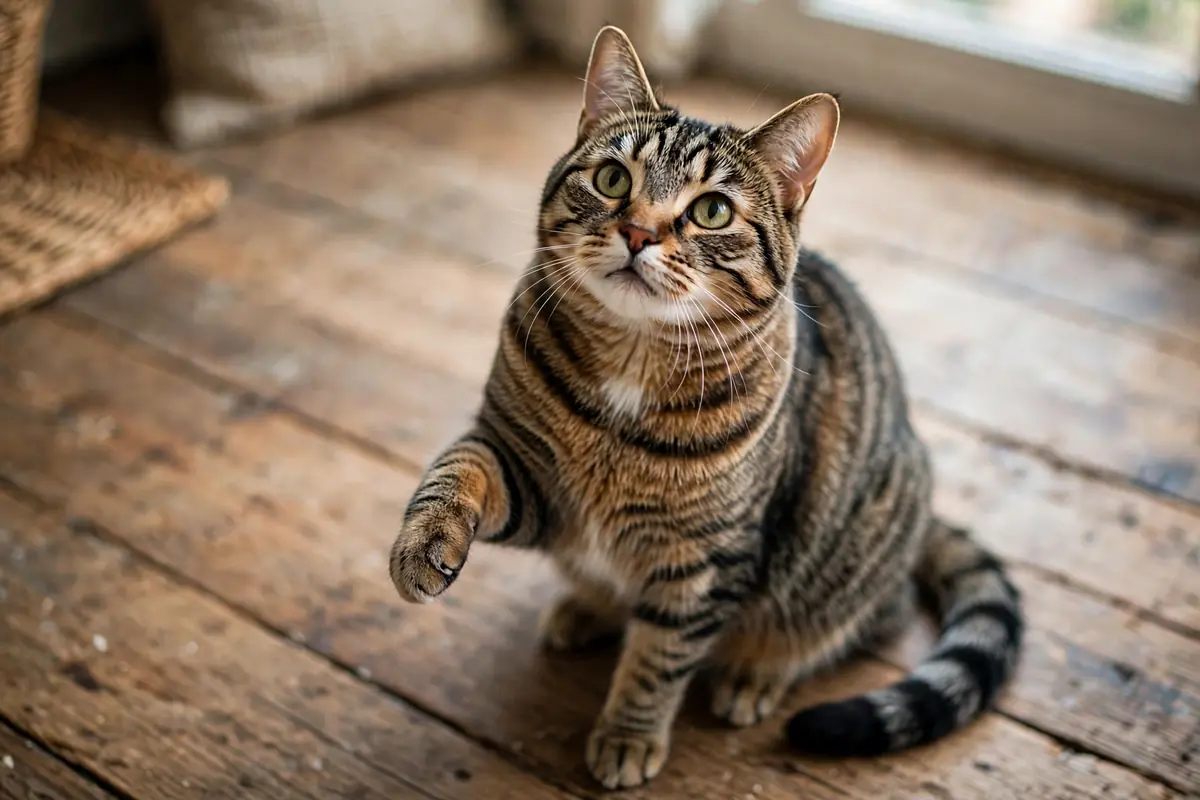
Your cat jumps off the couch and suddenly starts holding up a paw — or you notice their walk looks uneven as they cross the room. A limp can mean anything from a thorn in a paw pad to a serious fracture, and because cats hide pain so well, even a slight limp deserves attention.
Many causes of limping are minor and treatable once spotted. This guide covers the 8 most common reasons cats limp, how to check your cat safely at home, what your vet will do, and the warning signs of a same-day emergency.
How to Tell Which Leg Your Cat Is Favoring
Before anything else, figure out which limb is involved. Watch your cat walk slowly across a hard floor: with a sore front leg, the head dips as the sore leg lands and bobs up as the healthy leg steps. With a sore hind leg, the hips drop on the sore side and steps shorten.
Note whether your cat holds the leg up entirely or still puts weight on it — a leg that never touches the ground usually signals more pain. Mention this to your vet, along with whether the limp appeared suddenly or gradually.
8 Common Causes of Limping in Cats
From the most common to the more serious, here is what usually sits behind a feline limp:
- Paw pad injuries. Thorns, splinters, small cuts, or grit caught between the toes are the top cause of sudden, mild limping in indoor-outdoor cats. The limp often appears out of nowhere, and your cat may lick the paw obsessively.
- Torn or broken claws. A claw that catches in carpet, furniture, or a screen door can crack, tear, or pull partially loose — and it hurts far more than most owners expect. You may see your cat licking one toe intently or find a small blood spot on the floor.
- Bite wounds and abscesses. A puncture from a scuffle with another cat can seal over within hours, trapping bacteria underneath. The result — a warm, painful abscess — typically shows up 2 to 5 days later with a sudden limp, swelling, and sometimes a fever. This is a common reason outdoor cats limp, and it needs veterinary treatment to drain and heal.
- Soft-tissue sprains and strains. An awkward landing from a countertop, a bad jump, or a wild midnight play session can stretch or tear a muscle or ligament. These injuries usually improve with a few days of rest. Mild sprains are the likely cause when a young indoor cat limps briefly after a jump and recovers on their own.
- Fractures and dislocations. Falls from balconies, encounters with cars, or being stepped on can break or displace bones. A fractured limb is usually obvious — the cat refuses to bear weight, the leg may look bent at an odd angle or feel unstable, and swelling develops quickly. Fractures are emergencies and need immediate veterinary care.
- Arthritis (osteoarthritis). The most common cause of gradual, on-and-off limping in cats over 10 years old. Arthritic cats rarely cry out — they simply jump less, hesitate on stairs, and limp more after resting. Arthritis is widely underdiagnosed in cats, so seniors deserve a vet check even for a mild limp.
- Ingrown claws or overgrown nails. In less active or senior cats, claws can grow long enough to curl into the paw pad — painful and surprisingly common. Overgrown dewclaws are frequent offenders. Regular trimming prevents this entirely.
- Less common medical causes. Occasionally a limp traces back to something deeper: an immune-mediated joint inflammation, a bone infection, a tick-borne illness, or — rarely — a tumor in the limb. These need imaging and bloodwork to diagnose, which is why a limp lingering beyond a few days always warrants a vet visit.
How to Safely Examine Your Limping Cat at Home
A gentle once-over can reveal the cause before you call the clinic. Wait until your cat is calm, and stop if they hiss or swat — pain makes even sweet cats lash out.
- Check the paw first. Look between the toes, press each paw pad gently, and inspect every claw for cracks, bleeding, or overgrowth. Run your eyes along the sole for stuck debris.
- Look for swelling or heat. Compare the sore leg to the matching leg on the other side. Swelling, warmth, or a visible puncture mark points toward an abscess or infection.
- Feel gently down the leg. With light pressure, run your hand from the paw upward. If your cat flinches at one spot, you have found the painful area — note exactly where for the vet.
- Watch the joints. A leg that looks bent the wrong way, feels unstable, or makes a grinding sensation is an emergency — do not manipulate it further.
If you find nothing obvious, that is useful information too — deep bruising, small fractures, and joint problems are invisible from the outside. Explore more topics on our Cat Health page.
What Your Veterinarian Will Do
At the clinic, the vet will watch your cat walk, then carefully palpate the leg, checking joints for range of motion and pain. If the cause is not obvious, the next step is usually X-rays to rule out fractures, dislocations, and bone abnormalities. The vet may recommend sedation for a thorough exam of a very painful limb.
Treatment depends on the finding: debris gets removed, abscesses get drained, fractures get stabilized, and arthritis gets a management plan. Your vet may also prescribe cat-safe pain relief — never substitute your own medicine.
Home Care While You Monitor a Mild Limp
If the limp is mild, your cat is otherwise acting normally, and you have no emergency signs, supportive rest at home for 24 hours is reasonable:
- Restrict jumping and running. Keep your cat in one quiet room with food, water, and the litter box on the same level, and block access to high furniture for a few days.
- Skip the stairs. Carry your cat up or down stairs rather than letting them climb, and block access to balconies or high windowsills.
- Keep the litter box easy. Use a low-sided box so your cat does not have to hoist a sore leg over a tall edge.
- Watch, don't hover. Check the limp morning and evening: steady improvement over 24 to 48 hours is reassuring, while a stall or worsening means calling the vet.
Do not wrap the leg yourself. DIY bandages can slip, cut off circulation, or hide worsening swelling — the wrong wrap can do more damage than the original injury.
Warning Signs: When a Limp Is an Emergency
Call your veterinarian or an emergency clinic the same day if you notice any of the following:
- The leg dangles, bends at an unnatural angle, or your cat cannot bear any weight on it at all.
- There is rapid swelling, an open wound, or bone visible through the skin.
- The limp followed a fall, a car incident, or being stepped on.
- Your cat is crying, panting, hiding, or refusing food and water.
- The limp is paired with fever, vomiting, or extreme lethargy.
- The limp has not improved within 24 to 48 hours, or it keeps coming back.
When in doubt, call — a quick phone consultation can tell you whether your cat needs to be seen tonight or can wait until morning. Our Purrfect Paws guides cover everyday questions, but persistent pain deserves a professional's eyes.
Frequently Asked Questions
My cat is limping but still eating and playing — should I worry?
Not necessarily urgently, but take it seriously. Cats mask pain well and may eat and play despite an injury. Monitor a mild, improving limp for 24 hours; if it does not improve or gets worse, book a vet visit.
Can a cat's limp heal on its own?
Minor soft-tissue strains sometimes improve with a day or two of rest. However, fractures, dislocations, bite abscesses, and nail injuries need treatment. Never assume a limp will simply go away — a recheck within 24 to 48 hours is the safe move.
How can I keep my limping cat from jumping?
Confine your cat to one quiet room with the litter box, food, and water on the same level. Remove access to high furniture and cat trees, and block stairs if possible. A few days of restricted movement helps soft-tissue injuries heal.
Should I give my cat pain medicine for limping?
Never give human painkillers such as ibuprofen, paracetamol, or aspirin — they are toxic to cats. Your veterinarian can prescribe pain relief that is safe for your cat's weight and condition.
Why is my cat limping suddenly out of nowhere?
Sudden limps usually come from an injury — a bad landing, a torn claw, a thorn or splinter in a paw pad, or a bite from another animal. Arthritis, on the other hand, tends to cause a limp that comes on gradually, especially in senior cats.