Abyssinian Cat: Breed Guide
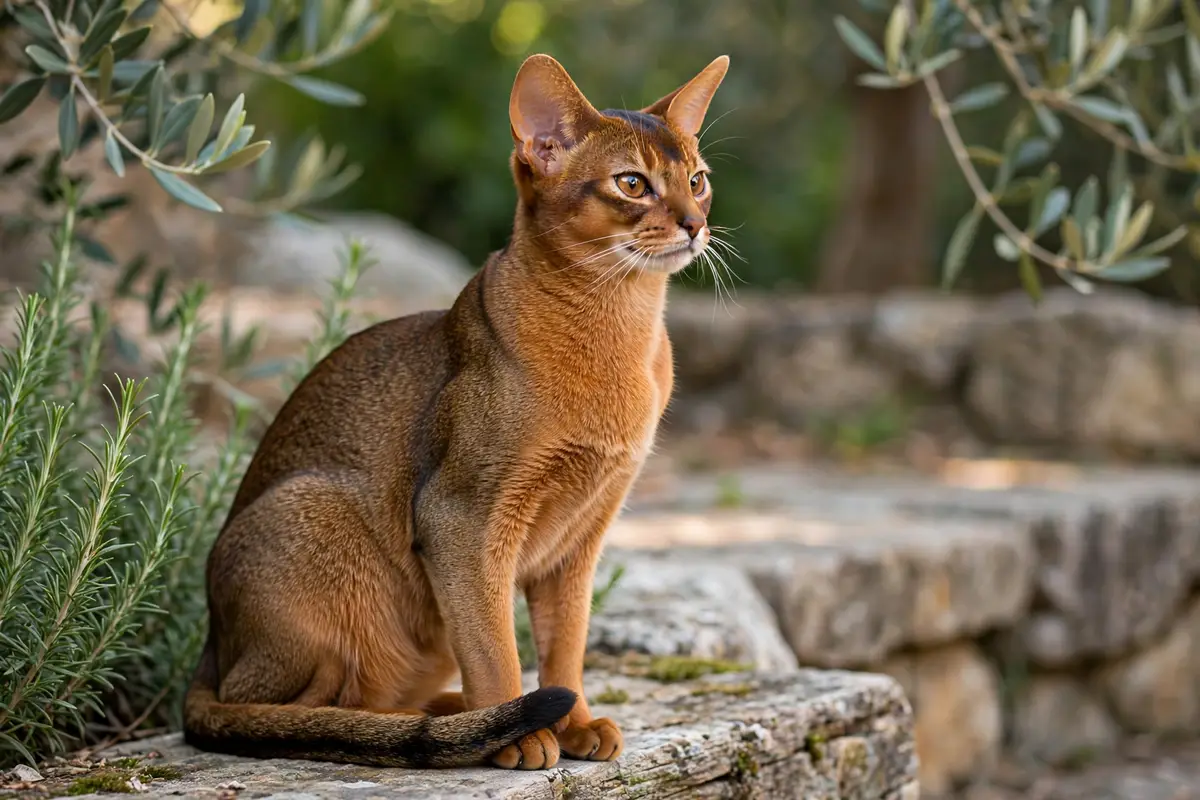
If cats had athletes, the Abyssinian would take the gold. Sleek, muscular, and seemingly always in motion, it is one of the oldest known breeds — and one of the liveliest companions you can bring home. Called the "clown of the cat world," the Abyssinian pairs a wild look with dog-like devotion, turning any household into its personal playground.
So is an Abyssinian right for you? If you want an active, intelligent cat that plays fetch, claims the highest shelf, and supervises everything you do, the answer may be yes. But this is no couch-potato lap cat — Abyssinians demand interaction, play, and mental stimulation daily. This guide covers the breed's history, look, personality, care needs, health notes, and how to find a responsible breeder — or an Abyssinian lookalike through adoption.
One of the World's Oldest Cat Breeds
The Abyssinian's origins carry a little mystery. Named for Abyssinia (modern-day Ethiopia), the breed is legend-linked to the sacred cats of ancient Egypt — a claim bolstered by its resemblance to cats in Egyptian art. The first widely documented Abyssinian, a cat named Zula, was reportedly brought from Abyssinia to England in the late 1860s and shown at London's Crystal Palace show in 1871.
British breeders refined the breed, and Abyssinians became one of the first breeds recognized by cat registries in the early 20th century. The breed nearly vanished during the World Wars but was carefully rebuilt, arrived in the United States in the early 1900s, and has been a beloved fixture of the cat fancy ever since.
The Abyssinian's Signature Look: The Ticked Coat
What sets the Abyssinian apart at first glance is its extraordinary coat. Each individual hair is banded with alternating light and dark colors — a pattern called "ticking" or agouti — which gives the coat a shimmering, iridescent quality with no stripes or spots on the body. In the classic ruddy color, warm browns and oranges blend into a glow that looks almost wild, like a tiny cougar. The breed also comes in red (a rich cinnamon), blue (a soft warm gray), fawn, and silver variations.
Underneath is an all-athlete body: lithe and muscular, usually 6 to 10 pounds, with long legs, a tapered tail, and large ears on a gently wedge-shaped head. The large almond eyes — gold, green, or hazel — are often ringed with darker eyeliner, giving the breed its famously expressive gaze.
Personality: The Clown of the Cat World
The "clown of the cat world" nickname is well earned: Abyssinians are extroverts — curious, confident, and endlessly entertaining. They do not just live in your home; they run it. Expect yours to investigate every grocery bag, supervise every chore, and claim the highest vantage point — living with an Abyssinian is often described as living with a perpetual toddler.
Abyssinians genuinely participate in family life: they learn fetch, solve puzzle toys in minutes, and some master the occasional cabinet door. They bond intensely and prefer being near you — on your shoulder, at your desk, at your heels. Their soft, bell-like voices "talk" in chirps and trills rather than demanding yowls.
One thing to know upfront: most Abyssinians are not lap cats. They are affectionate, but their affection is expressed through companionship and play rather than long cuddle sessions. If your dream cat is a decorative pillow that purrs, look at calmer breeds in our cat breed guides — but if your dream cat is a partner in crime, keep reading.
Living With an Abyssinian: Daily Care and Play Needs
Grooming is delightfully easy: the short coat needs only weekly brushing and sheds relatively little. The real work — and joy — is keeping up with their energy.
Play is non-negotiable
Plan two interactive play sessions daily with wand toys or feather teasers, plus puzzle feeders to engage their sharp minds. A bored Abyssinian invents its own entertainment — unraveled toilet paper and "redecorated" shelves are classic signs of under-stimulation.
Think vertical
Abyssinians are natural climbers: tall cat trees, wall shelves, and window perches turn your home into the three-dimensional playground they crave.
Companionship matters
Because they are so social, a second cat — ideally another playful breed — keeps an Aby happy during work hours; if you are away all day, a companion plus enrichment is almost essential. Find more indoor-cat ideas on Purrfect Paws.
Are Abyssinians Good Apartment Cats?
Surprisingly, yes — with the right setup. Abyssinians do not need a huge house; they need a stimulating one. An apartment with tall cat trees, climbing shelves, and daily interactive play can suit an Abyssinian perfectly. What they cannot tolerate is boredom and solitude.
The ideal household is an active one: people home a fair amount who enjoy playing with their cat and find a feline supervisor delightful. They do well with respectful children and cat-friendly dogs, with gradual introductions. They are a poor fit for calm-cat seekers or homes empty twelve hours a day — then this demanding breed will be miserable, and so will your curtains.
Abyssinian Health: What to Ask Your Vet About
Abyssinians are generally healthy, athletic cats with a typical lifespan of about 12 to 15 years. Like many purebred cats, however, the breed can be prone to certain inherited conditions, which is why health screening matters when choosing a breeder.
Two areas deserve attention. Dental health: Abyssinians can be prone to gum inflammation, so regular dental checkups — plus a vet-approved home routine — matter. Kidney health: like several established breeds, Abyssinians have faced inherited kidney conditions, and responsible breeders screen accordingly. Ask breeders directly about health testing, and keep up annual vet exams.
Day to day, the best health plan is simple: a complete, high-quality diet, a healthy weight, fresh water, dental care, and a vet who knows the breed. Watch for the usual warning signs — changes in appetite, thirst, energy, or litter box habits — and call your vet promptly if anything seems off.
Finding a Responsible Abyssinian Breeder (and Adoption Options)
A trustworthy breeder health-tests their breeding cats, welcomes questions about screening, provides veterinary records, raises kittens in the home (not in cages), and keeps kittens with their mother until at least 12 weeks old. They should ask you as many questions as you ask them — a good breeder cares deeply about where their kittens go.
Adoption is always worth considering. Breed-specific rescues occasionally have Abyssinians, and shelters are full of slender, ticked-coat cats with Abyssinian looks and wonderful personalities. An Abyssinian mix from a rescue can offer the same athletic charm and clownish spirit — sometimes with fewer of the purebred price tags and health worries. Check local shelters and Abyssinian rescue groups before you buy.
Frequently Asked Questions
Are Abyssinian cats hypoallergenic?
No cat is truly hypoallergenic. Abyssinians have a short, close-lying coat that sheds less than many breeds, but they still produce the proteins that trigger allergies. Spend time with the breed before committing if anyone in your home has allergies.
Do Abyssinians like to cuddle?
Abyssinians are deeply affectionate, but usually on their own terms. Most prefer to perch on your shoulder or supervise your activities rather than settle in for a long lap session. Think of them as devoted companions rather than cuddle bugs.
Are Abyssinians good for first-time cat owners?
They can be, if the owner is active and home enough to meet the breed's needs. Abyssinians demand daily play and mental stimulation, so first-time owners should be honest about whether they can provide that level of engagement every day.
How much exercise does an Abyssinian need?
Plan on at least two interactive play sessions a day, plus a home set up for climbing — tall cat trees, wall shelves, and window perches. Puzzle feeders and rotating toys help keep their busy minds occupied between sessions.
Do Abyssinians get along with other pets?
Generally yes. Abyssinians are social and often enjoy the company of another playful cat or a respectful, cat-friendly dog. Introduce new pets gradually and give each animal its own safe space at first.