American Shorthair: Complete Breed Guide
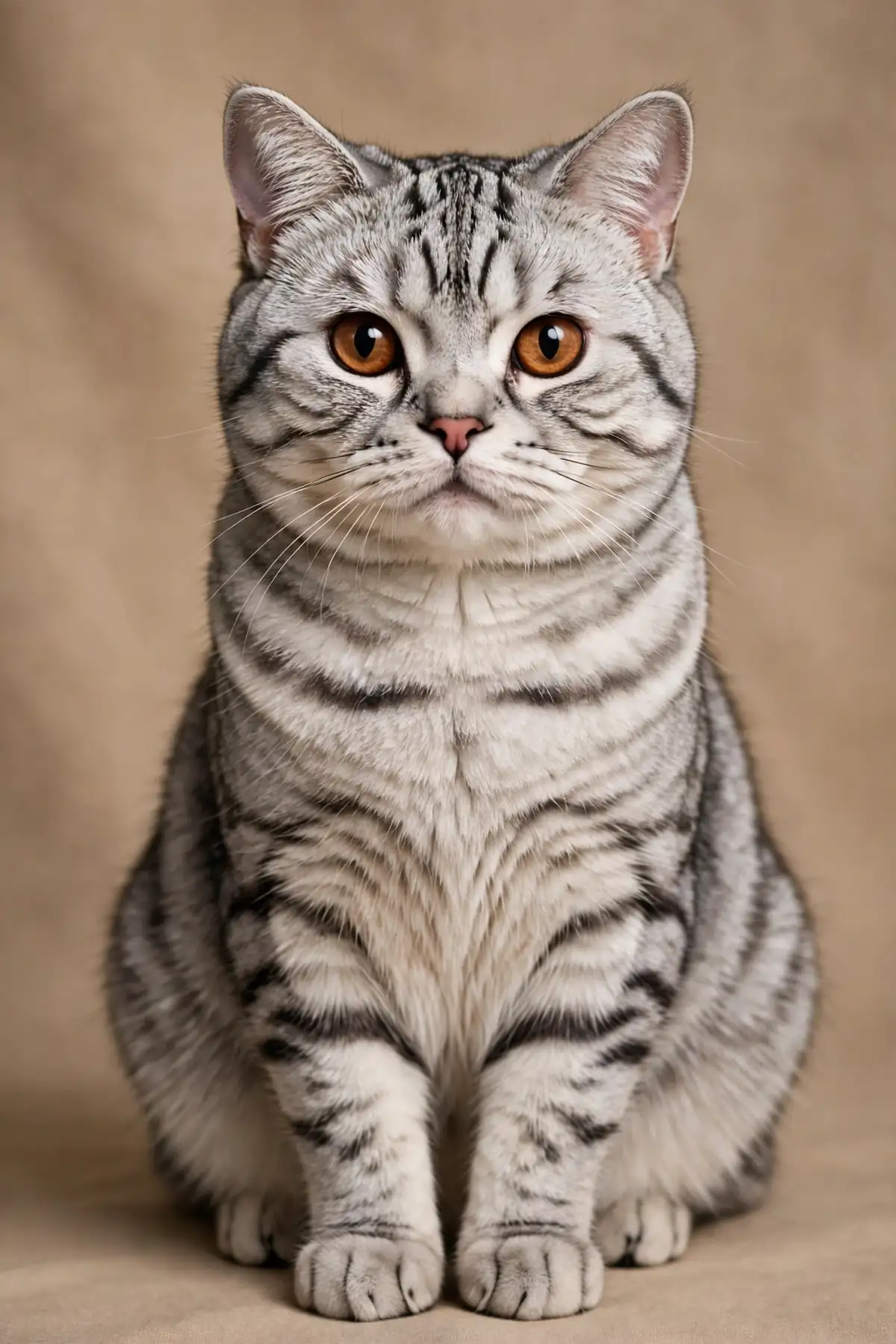
The American Shorthair is the all-American family cat — a stocky, muscular, good-natured cat best known for the classic silver tabby look, with bold black markings swirling over a shimmering silver coat. The short answer for potential owners: American Shorthairs are easygoing, adaptable, and affectionate without being clingy. They fit well into busy family life, usually get along with kids and other pets, and ask for very little grooming in return. If you want a sturdy, low-maintenance companion with an even temperament, this breed deserves a serious look.
Don't let the unfussy reputation fool you — these cats have real presence. They are confident and quietly charming, the kind of cat that greets you at the door and settles nearby for the evening. This guide covers their appearance, personality, grooming, health, diet, and how to welcome one home — whether from a breeder or, even better, a shelter.
American Shorthair at a Glance
- Size: medium to large — solidly built, with males often noticeably bigger than females.
- Build: stocky and muscular, with a broad chest, thick neck, and a round, open face.
- Coat: short, thick, and dense — classic silver tabby is the signature look, but many colors and patterns exist.
- Lifespan: many live well into their mid-teens with good care.
- Personality: easygoing, adaptable, affectionate on their own terms.
- Good with: children, other cats, and cat-friendly dogs.
- Grooming: low maintenance — weekly brushing is usually plenty.
Appearance: The Classic American Cat
The American Shorthair looks exactly like what it is: a strong, healthy, well-built cat. A broad, deep chest, powerful shoulders, a thick neck, and sturdy legs support a large, round head with full cheeks and wide-set eyes that give the face an alert, good-natured expression. On the classic silver tabby, warm copper or gold eyes are one of the breed's most striking features.
The signature look is the classic silver tabby: a shimmering silver coat overlaid with dense black markings — the famous "M" on the forehead, bold swirls on the sides, and banded legs and tail. Many other colors and patterns exist too. The coat itself is short, thick, and remarkably dense — a hard, protective working cat's coat that stays looking neat with very little effort.
American Shorthair Personality and Temperament
If cats had a "just right" setting, the American Shorthair would be it — not hyper, not aloof, not demanding, just pleasantly and reliably good company:
- Adaptable. They adjust well to different households and schedules, rarely acting out when routines change.
- Affectionate, not needy. They enjoy pets and the occasional lap session, but rarely demand attention.
- Gentle with kids. Sturdy and tolerant, they are well suited to family life — always supervise young children and teach gentle handling.
- Social with other pets. They usually accept other cats and cat-friendly dogs, especially with gradual introductions.
- Playful without being wild. They enjoy feather wands and chase games, then settle in for long, contented naps.
One honest note: they show affection on their own terms — a head bump here, a slow blink from across the room there. It is a quiet, dignified devotion most owners find deeply endearing.
Grooming a Short Dense Coat
- Brush once a week with a soft brush or grooming mitt; two to three times weekly in spring and fall shedding seasons.
- Expect moderate shedding year-round, with heavier periods in spring and fall.
- Trim nails every two to three weeks and provide a sturdy scratching post.
- Check ears for buildup and keep up with dental care — start tooth brushing early.
- Baths are rarely needed — these cats keep themselves clean.
Grooming doubles as bonding time — most American Shorthairs accept brushing happily, especially when paired with treats.
American Shorthair Health Considerations
- Weight gain is the most common concern. Hearty appetites plus a relaxed attitude toward exercise mean some individuals put on extra pounds — portion control and regular weigh-ins matter enormously.
- Annual vet exams (twice yearly for seniors) track weight trends and catch small problems early — this stoic breed hides discomfort well.
- Ask breeders about heart screening of their breeding cats, and keep up with cardiac checks as your cat ages.
- Dental care matters: regular checks and at-home tooth care prevent painful dental disease, which is common in cats of all breeds.
Keep vaccinations current and maintain parasite prevention as your vet advises. Individual cats vary — treat these as awareness points to discuss with your vet, not predictions.
Diet and Exercise Needs
- Feed measured meals — two or three a day — not a bottomless bowl. This is the single most important feeding rule for this breed.
- Choose a high-quality, complete food suited to their life stage, with a named animal protein first; your vet can advise on wet versus dry.
- Keep treats modest — a small share of daily calories.
- Fresh water always — a fountain can encourage drinking.
- Play every day: one or two 10–15 minute interactive sessions, plus scratching posts, a window perch, and puzzle feeders.
Ask your vet about your cat's ideal weight at each checkup — weight creeps up slowly in this breed, so an annual portion review is time well spent.
Family and Home Fit
The American Shorthair is one of the most versatile cat breeds for home life, settling into apartments and houses alike and handling change better than many breeds. First-time owners do particularly well with them, because the breed forgives the small mistakes beginners inevitably make. They are independent, not indifferent — they still need daily interaction, play, and affection to thrive.
Multi-pet homes are usually a success story: with gradual introductions — scent swapping first, then short supervised meetings — they tend to accept other cats and cat-savvy dogs. Give every animal separate resources and a quiet retreat of their own.
Adoption Guidance: Check Shelters First
Countless cats with the American Shorthair look and temperament wait in shelters right now — most shelter "domestic shorthairs" share the sturdy build, classic tabby markings, and easygoing personality. If the breed appeals to you, start at your local shelter or a breed-specific rescue.
Spend real time with any cat you consider: let them approach you, and watch how they respond to handling and play. If you choose a breeder, look for home-raised kittens, health-screened parents, veterinary records, and a written health guarantee — and run through our adopting a cat checklist before bring-home day.
Frequently Asked Questions
Are American Shorthairs good with kids?
Generally, yes. Their tolerant, sturdy, easygoing nature makes them a natural fit for respectful children. Always supervise young kids and teach gentle handling.
Do American Shorthairs shed a lot?
They shed moderately year-round, with heavier shedding in spring and fall. Weekly brushing is usually enough to keep loose fur under control.
American Shorthair vs. British Shorthair — what's the difference?
The British Shorthair is cobbier with a plush teddy-bear coat and calmer demeanor; the American is a touch more athletic and playful. Meet the individual cat — personality varies more than breed labels suggest.
Are American Shorthairs lap cats?
Many enjoy laps, but they show affection on their own terms rather than demanding constant cuddles. Expect a warm weight against your leg on the couch when they feel like it.
How long do American Shorthairs live?
Many live into their mid-teens and beyond with good care. A healthy weight, balanced diet, and regular vet checkups are the best foundations for a long life.