Best Dry Cat Food in 2026: 10 Picks
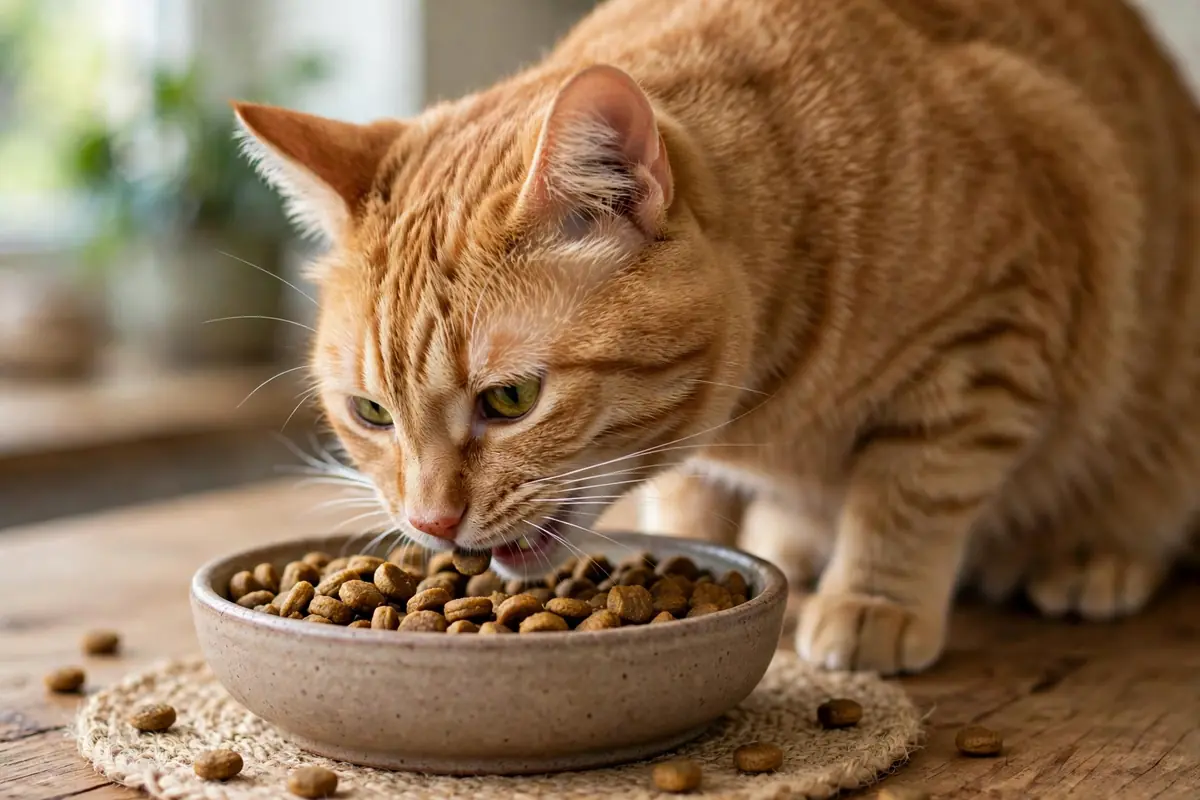
So what is the best dry cat food in 2026? The honest answer is that there is no single winner for every cat. The best dry food for your cat depends on their age, activity level, weight, and any health needs — a growing kitten and a lazy senior indoor cat simply do not need the same bowl of kibble. That is why this guide does not crown one brand as the champion. Instead, it gives you ten picks organised by what cats actually need, so you can match a category to your cat and then choose a trusted product within it.
Every pick below is described by the type of formula it represents, with well-known brands mentioned only as examples of that type. Check the label, your budget, and your veterinarian's advice before you buy. You can also browse our wider Cat Food guides for wet food, treats, and feeding portions.
How to Choose the Best Dry Cat Food
Before you compare bags, learn to read them. A good dry cat food starts with a named animal protein — chicken, salmon, turkey, or lamb — as the first ingredient. Cats are obligate carnivores, which means they need meat-based protein to thrive, and vague terms like "meat meal" or "animal by-products" as the main ingredient are a weaker sign. Next, look for an AAFCO statement on the bag, which confirms the food is complete and balanced for a particular life stage, such as kitten, adult, or all life stages.
Other things worth checking include the fat and fibre levels, whether the formula suits your cat's age, and how many calories each cup contains — calorie density varies a lot between brands, so the feeding guide on one bag will not match another. Avoid being swayed by buzzwords alone. "Natural," "premium," and "holistic" are marketing terms, not guarantees of quality, and grain-free is not automatically better; many cats digest grains perfectly well. Finally, buy a small bag first when trying something new, since the best food is useless if your cat refuses it.
10 Best Dry Cat Food Picks for 2026
- Best for kittens. Kitten formulas are richer in calories, protein, and minerals like calcium to support fast growth and brain development. Examples of this type include kitten recipes from Royal Canin, Hill's Science Diet, and Purina Pro Plan. Feed a kitten formula until about 12 months of age, then move gradually to an adult food.
- Best for indoor adult cats. Indoor cats burn fewer calories than outdoor roamers, so indoor formulas are usually a little lower in calories and higher in fibre to help with hairballs. This is the category covered in detail in our guide to the best cat food for indoor cats, and it is the right starting point for most apartment cats.
- Best for sensitive stomachs. If your cat vomits often or has soft stools, a sensitive-stomach formula with easily digestible proteins and added prebiotics may help. These recipes tend to use a single main protein and gentle fibres. If digestive problems persist for more than a couple of weeks, see your vet to rule out food allergies or illness.
- Best for senior cats (11+). Older cats often need joint support, easily digestible protein, and calories adjusted to a slower metabolism. Senior formulas commonly add glucosamine and omega-3 fatty acids. Watch your senior cat's weight closely, since both weight loss and weight gain can signal health changes at this age.
- Best for weight control. For cats carrying extra weight, a weight-management formula offers fewer calories per cup with added fibre to help them feel full. Portion control matters more than the bag itself, though — measure every meal with a proper scoop, and skip the habit of topping up the bowl all day.
- Best high-protein option. High-protein formulas list meat first and keep carbohydrate fillers low. They suit active, healthy adult cats well, but they are not right for every cat — cats with certain kidney conditions, for example, may need a different protein level, so check with your vet first.
- Best for hairball control. Long-haired cats and enthusiastic groomers benefit from formulas with extra fibre, which helps swallowed hair pass through the digestive tract instead of coming back up. Regular brushing helps even more than any food, so pair this pick with a weekly grooming routine.
- Best budget-friendly pick. You do not need the most expensive bag to feed your cat well. Several widely available brands, such as Purina Cat Chow and similar store brands, offer complete and balanced adult formulas at a lower price. Compare the guaranteed analysis and the cost per day, not just the bag price.
- Best for urinary health. Urinary-care formulas are designed to support a healthy urinary pH and mineral balance. They are a sensible choice for cats prone to urinary crystals, but they are not a treatment — if your cat strains to urinate or passes blood, that is an urgent veterinary visit, not a diet change.
- Best grain-free option. Grain-free formulas replace grains with ingredients like peas or potatoes. They suit cats with a genuine grain sensitivity, but grain sensitivity is uncommon, and grain-free does not mean low-carbohydrate. Choose this category because your cat needs it, not because the label sounds healthier.
Dry Food vs Wet Food: Should You Mix?
Dry food is convenient, affordable, and good for dental crunch, but it contains only about 10 percent moisture, while wet food is roughly 75 percent water. Since many cats are reluctant drinkers, a mixed diet is often the sweet spot: dry food as the everyday base, plus a portion of wet food each day for hydration. If your cat eats dry food only, make fresh water easy to reach — a wide ceramic bowl or a cat water fountain encourages more drinking. Our companion guide to the best wet cat food in 2026 can help you pick a wet option to pair with any dry pick above.
How Much Dry Food Should You Feed?
Start with the feeding guide printed on the bag, then adjust to your cat's body condition. Most average adult cats need roughly 200 to 250 calories a day, but that range shifts with size, age, and activity — a large active male may need more, while a small indoor senior may need less. Weigh the food, split it into two meals a day, and count treats in the daily total, since treats should stay under 10 percent of calories. Check your cat's waist and ribs every few weeks: you should be able to feel the ribs under a thin layer of fat but not see them clearly. For a fuller breakdown, see our cat feeding portion guide, and visit the Purrfect Paws homepage for more feeding and care guides.
Switching to a New Dry Food Without an Upset Stomach
Cats hate sudden change, and their stomachs do too. Switch over seven to ten days: mix about a quarter new food with three quarters old food for the first few days, then move to half and half, then three quarters new, and finally all new. If loose stools appear, slow down and hold at the current ratio for a couple of extra days. Store the new bag sealed in a cool, dry place, and buy a size your cat can finish within about six weeks so the kibble stays fresh and crunchy.
Frequently Asked Questions
Is dry cat food enough on its own?
Yes, a complete and balanced dry food can meet a healthy cat's nutritional needs, as long as fresh water is always available. Many owners still mix in some wet food for extra hydration, which is a good idea for cats that drink very little.
How do I know if a dry cat food is good quality?
Look for a named animal protein such as chicken or salmon as the first ingredient, an AAFCO nutritional adequacy statement on the bag, and a formula matched to your cat's life stage. Avoid foods that are vague about their protein source or rely heavily on fillers.
Should kittens eat adult dry cat food?
No. Kittens need more calories, protein, and minerals for growth than adults do, so they should eat a kitten formula until around 12 months of age, when most cats switch to an adult formula.
Can I leave dry cat food out all day?
Free-feeding works for some cats, but it easily leads to overeating and weight gain, especially in indoor cats. Measured meals, usually two per day, give you much better control over portions.
How long does an opened bag of dry cat food stay fresh?
Kept sealed in a cool, dry place, an opened bag usually stays fresh for about four to six weeks. After that the fats can go stale, so buy a bag size your cat can finish within that window.