Can Cats Drink Alcohol?
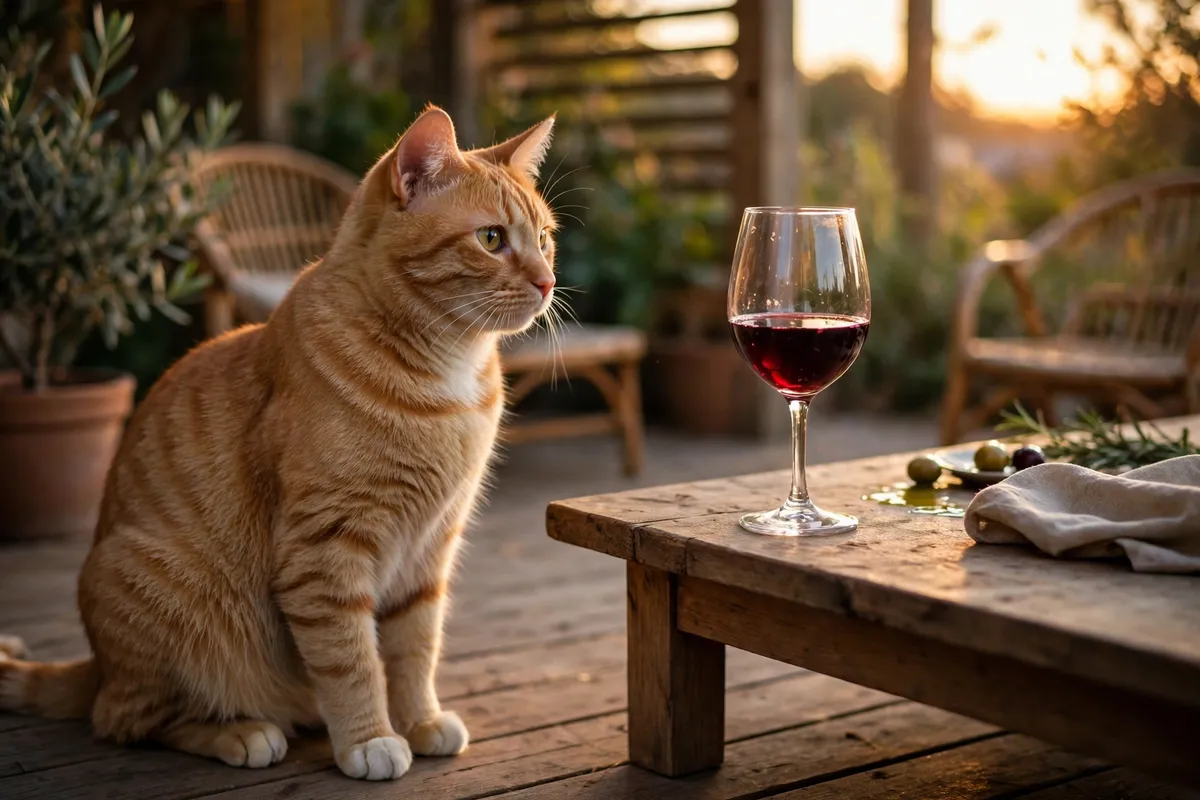
No — cats should never drink alcohol, not even a lap from a glass. Alcohol is toxic to cats, and because a cat's body is so small, even a small amount can cause vomiting, disorientation, and dangerously low blood sugar — and larger amounts can lead to coma and death. The classic accident is a cat lapping from a glass left on a low table, but alcohol also hides in sauces, desserts, and unbaked dough.
This guide explains why alcohol is so dangerous for cats, how the risk changes with the type and amount, where alcohol hides in food, and exactly what to do if your cat drinks it. It also covers kittens, who are at greater risk than adult cats.
The Verdict: Can Cats Drink Alcohol?
Verdict: UNSAFE. Alcohol is toxic to cats in any amount and should never be offered, not even as a joke or a taste. A cat's liver cannot process alcohol the way a human liver can, and a cat's small body weight means a few laps from a glass is a large exposure. There is no safe portion of alcohol for a cat.
If your cat has drunk alcohol, or eaten a food containing it, contact your veterinarian or a pet poison helpline immediately, even if your cat looks fine. Alcohol poisoning can progress quickly in a small animal.
Why Alcohol Is Dangerous for Cats
Alcohol — ethanol — is a depressant that slows the nervous system, and in cats that effect arrives fast and hard. A cat's liver cannot break alcohol down efficiently, so it stays active in the body longer than it would in a person, and a cat becomes disoriented, wobbly, and drowsy far more quickly than a human would after the same drink.
Early signs include vomiting, drooling, disorientation, stumbling, and unusual drowsiness. As more alcohol is absorbed, a cat's breathing can slow, its body temperature can drop, and its blood sugar can fall to dangerous levels — a particular risk in cats that have not eaten recently. In serious cases, alcohol poisoning can lead to coma, breathing failure, and death.
Cats are not usually drawn to alcohol — most dislike the smell and taste — but accidents happen because alcohol is left exactly where cats explore: a wine glass on a low table, a beer can on the floor at a party, a cocktail left on a sofa arm. A curious cat can lap at a drink before an owner notices, so never leave an open drink unattended where a cat can reach it.
How Much Alcohol Is Dangerous for a Cat?
There is no known safe amount of alcohol for a cat. The danger depends on the same three factors as with other toxic foods: a smaller cat, a stronger drink, and a larger amount all mean more danger. A few laps of beer is a smaller exposure than a mouthful of spirits, but neither one is safe, and any ingestion warrants an immediate vet call.
Alcohol hides in more places than a drinks cabinet, and all of them count:
- Wine, beer, and spirits. Spirits are far more concentrated than beer or wine, so a small amount carries a larger alcohol load.
- Cocktails and mixed drinks. Often left on low tables at parties, and sweet or milky flavours can tempt a cat to lap at them.
- Alcohol in sauces and desserts. Wine sauces, flambéed dishes, rum cake, trifle, and liqueur chocolates all contain alcohol, and cooking does not always remove it.
- Unbaked bread dough. Yeast dough produces alcohol as it rises, and a cat that eats raw dough faces alcohol poisoning plus dough expanding in the stomach — a double emergency.
- Hand sanitiser and rubbing alcohol. Not a drink, but a cat that walks through a spill or licks sanitiser off its paws can take in alcohol — clean up spills straight away.
Tell your vet what your cat drank or ate, roughly how much, and when.
Is Alcohol Safe for Cats in Any Amount?
No — alcohol is not safe for cats in any amount, and no type of alcoholic drink is safer than another. Beer is weaker than spirits, but it is still alcohol, and a small cat that laps at a beer can takes in a meaningful amount relative to its body weight. Low-alcohol drinks are not safe either.
The other common mistake is assuming that alcohol cooked into food is harmless. Cooking reduces the alcohol content, but it does not reliably remove all of it — a sauce that simmers briefly or a dessert that is only warmed can retain a surprising amount. Keep any food or drink containing alcohol away from your cat, cooked or not.
What should your cat drink instead? Fresh water, and nothing else — clean water, changed daily, in a clean bowl is all a healthy cat needs. Our guide to whether cats can drink milk explains why even milk is not the treat many owners assume it is.
Can Kittens Drink Alcohol?
No — kittens should never drink alcohol, and they are at far greater risk than adult cats. A kitten's body is tiny, so the same few laps from a glass deliver a much larger exposure relative to its weight, and its developing liver and nervous system are more easily overwhelmed by alcohol. A kitten is also more vulnerable to the dangerous drop in blood sugar that alcohol can cause.
Kittens are also the most likely to get into alcohol by accident, because they climb onto tables and investigate anything left at nose height — including a glass on a coffee table or a bowl of trifle left to cool. Keep all drinks in a lidded cup or well back from the edge of a table, and clear glasses away promptly at parties. A kitten's only drink should be fresh water alongside a complete kitten food.
What Happens If My Cat Drinks Alcohol?
Signs of alcohol poisoning can appear quickly, often within an hour. Early signs include vomiting, drooling, disorientation, stumbling, and unusual drowsiness. A cat may seem drunk — wobbly and confused — and may hide or refuse food.
More serious signs reflect the depressant effect spreading through the body: breathing can become slow and shallow, body temperature can fall, and blood sugar can drop to levels that cause tremors, weakness, and seizures. In the most serious cases, alcohol poisoning can lead to coma and breathing failure. A cat that is very drowsy, cannot stand, or is breathing slowly needs emergency veterinary care at once — do not wait for it to sleep it off.
If your cat drank alcohol along with other ingredients, mention them all to your vet. Our guide to why grapes are toxic to cats explains why hidden ingredients matter so much with toxic foods.
What to Do If Your Cat Already Drank Alcohol
Work through these steps in order:
- Take the drink away so your cat cannot drink more, and note what it was and roughly how much was taken and when.
- Call your veterinarian or a pet poison helpline immediately. Do not wait for symptoms. Give your cat's age, weight, and any health conditions, plus exactly what was drunk or eaten.
- Do not try to make your cat vomit at home. Never give hydrogen peroxide, salt water, or any home remedy — these can cause serious harm, and vomiting should only be induced by a veterinarian. A drowsy cat can inhale vomit into its lungs.
- Do not give human medicines. Painkillers such as paracetamol and ibuprofen are toxic to cats.
- Keep your cat warm and still in a quiet room and watch their breathing closely. If your cat is very drowsy, cannot stand, is breathing slowly, or has a seizure, get to an emergency vet immediately.
- Follow your vet's instructions. They may ask you to come in for examination and monitoring, even if your cat looks well.
For more on keeping your cat safe around the kitchen and at parties, see our guide to what to do when your cat has diarrhea, explore the full Cat Food section, and visit the Purrfect Paws homepage for the latest articles.
Frequently Asked Questions
Can cats drink alcohol?
No. Alcohol is toxic to cats in any amount. Even a few laps can cause vomiting, disorientation, and dangerously low blood sugar, and larger amounts can lead to coma and death.
Can kittens drink alcohol?
No. Kittens are at far greater risk than adult cats because they are smaller and their livers and nervous systems are still developing. Keep all drinks and alcohol-containing foods well out of a kitten's reach.
What happens if my cat drinks alcohol?
Signs can appear within an hour: vomiting, drooling, disorientation, stumbling, and drowsiness. Serious cases can involve slow breathing, low body temperature, low blood sugar, seizures, and coma — call your vet immediately.
How much alcohol can a cat drink?
There is no safe amount of alcohol for a cat. Stronger drinks are more dangerous than weaker ones, but any ingestion — including alcohol in sauces, desserts, or unbaked dough — warrants an immediate call to your vet or a pet poison helpline.
Is alcohol in cooked food safe for cats?
No. Cooking reduces alcohol content but does not reliably remove all of it, and dishes that are only briefly heated can retain a significant amount. Keep any food or drink containing alcohol away from your cat, cooked or not.