Cat Diarrhea: What to Do at Home
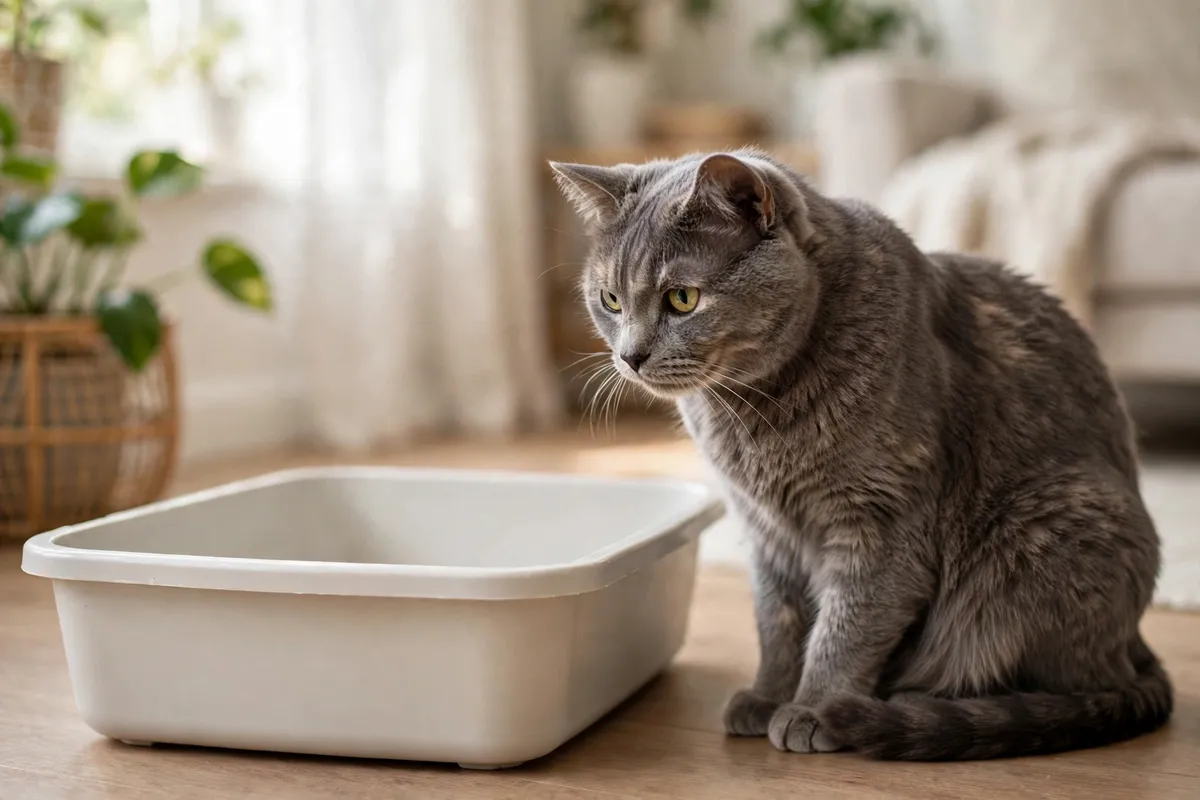
Finding loose stools in the litter box is unsettling, but a single mild episode of cat diarrhea is usually not an emergency. In most cases it traces back to something simple — a sudden diet change, a rich treat, stress from a house guest, or a mild stomach bug — and it clears up within a day or two with gentle home care. The most important things you can do are keep your cat hydrated, feed a bland and easy-to-digest diet, and watch for the red flags that signal a vet visit is needed.
This guide walks you through the common causes of diarrhea in cats, the safe home-care steps that actually help, the mistakes to avoid (including human medicines that are dangerous for cats), and the warning signs that mean you should stop waiting and call your veterinarian. When in doubt, a quick call to your vet is always the right move.
What Counts as Diarrhea in Cats?
Healthy cat stool is firm, log-shaped, and easy to scoop — think of the consistency of firm modeling clay. Diarrhea means stool that is noticeably looser, watery, or unformed, often passed more frequently and sometimes with urgency, straining, or accidents outside the litter box.
It helps to distinguish two patterns. Small-intestine diarrhea tends to produce larger volumes of watery stool, sometimes with vomiting or weight loss, and the cat may not strain much. Large-intestine (colonic) diarrhea usually means frequent small amounts, visible straining, urgency, and sometimes mucus or fresh blood on the surface. You do not need to diagnose which one yourself — but noticing the pattern helps your vet enormously if you end up calling.
Also note what is not diarrhea: a single soft stool after a diet change, slightly loose stool in a brand-new kitten adjusting to solid food, or one odd litter box visit after your cat ate something unusual. A single episode in an otherwise bright, hungry, playful cat is usually just the digestive system clearing something out.
Common Causes of Diarrhea in Cats
- Sudden diet changes. The single most common cause. Switching foods overnight shocks the gut bacteria that digest your cat's meals. Any food transition should be gradual — over 7 to 10 days, mixing increasing amounts of the new food with the old.
- Food sensitivity or intolerance. Some cats react to specific proteins (dairy and beef are frequent offenders) or to rich, fatty treats and table scraps. The reaction is digestive, not a true allergy, but the result — loose stools — is the same.
- Eating something they shouldn't. Spoiled food from the trash, a houseplant leaf, a piece of string, or a licked-up cleaning product residue can all irritate the gut. Outdoor cats are especially prone to sampling things.
- Stress and routine changes. Moving house, a new pet, visitors, loud construction, or even a rearranged room can upset a sensitive cat's digestion. Stress-related diarrhea usually resolves once the cat settles.
- Intestinal parasites. Roundworms, hookworms, giardia, and coccidia are common in kittens and in cats with outdoor access. Parasite-related diarrhea is often persistent or recurring and may come with a bloated belly or poor weight gain in kittens.
- Infections. Bacterial or viral gut infections can cause diarrhea, sometimes with fever, vomiting, or lethargy. These are more common in unvaccinated kittens and in multi-cat environments like shelters.
- Chronic conditions. Inflammatory bowel disease, hyperthyroidism (in older cats), pancreatitis, and food allergies can all cause ongoing or recurring diarrhea. If loose stools keep coming back, a vet workup is needed rather than repeated home treatment.
Home Care: Safe Steps for Cat Diarrhea
If your cat is an adult, still eating and drinking, playful, and has no red-flag symptoms (see below), these home-care steps are safe and sensible for the first 24 to 48 hours:
- Prioritize hydration. Diarrhea drains fluids fast. Keep multiple fresh water bowls available, and consider offering the water from a can of tuna (in water, no salt added) or a little low-sodium chicken broth to encourage drinking. Wet food also adds significant moisture — if your cat normally eats dry food, a temporary switch to wet food can help.
- Feed a bland, gentle diet. Offer small, frequent meals of something easy to digest: plain boiled chicken breast (no skin, no seasoning) mixed with a little plain cooked white rice or plain canned pumpkin. Keep portions small — four to six mini-meals a day is easier on an irritated gut than two big ones. After stools firm up, transition back to the regular diet gradually over several days.
- Try plain canned pumpkin. One hundred percent plain canned pumpkin (not pumpkin pie filling, which contains sugar and spices) is a safe source of soluble fiber that can help firm up loose stools. A teaspoon or two mixed into food once or twice daily is a commonly suggested amount — check with your vet for your cat's size.
- Keep the litter box spotless. Scoop after every use if you can. A clean box encourages normal use, lets you monitor exactly what is happening, and reduces the chance of reinfection if parasites are involved.
- Remove the likely trigger. If you just switched foods, go back to the old food and re-transition slowly. Put away the new treats. If a houseplant leaf is the suspect, move the plant out of reach.
- Rest and routine. Keep things calm and predictable. Stress slows gut recovery, so hold off on baths, visitors, or big changes until stools are normal again.
What NOT to Do: Common Mistakes
- Never give human anti-diarrhea medicine. Products containing loperamide (Imodium) or bismuth subsalicylate (Pepto-Bismol) can be dangerous for cats at human doses, and they can mask the signs of a serious underlying problem. Only use medications your own veterinarian prescribes.
- Do not fast your cat. This is important: unlike dogs, cats should not be starved through a stomach upset. A cat that goes without food — especially an overweight cat — can develop hepatic lipidosis (fatty liver disease), a life-threatening condition. Always offer food, just make it bland and small-portioned.
- Do not withhold water. Some owners mistakenly think limiting water will "slow things down." It will not — it only accelerates dehydration, which is the real danger of diarrhea.
- Do not assume it is "just the food" repeatedly. One dietary indiscretion is normal. Diarrhea that returns every few weeks deserves investigation rather than another round of chicken and rice.
- Do not use essential oils or home "cures" from social media. Many essential oils are toxic to cats, and unproven remedies can delay proper treatment.
Red Flags: When Diarrhea Means a Vet Visit
Stop home care and call your veterinarian promptly if you see any of the following:
- Blood in the stool — bright red streaks or dark, tarry stool (which suggests bleeding higher in the digestive tract).
- Diarrhea lasting more than 48 hours in an adult cat, or more than 12–24 hours in a kitten.
- The patient is a young kitten (under 12 weeks), a senior cat, or has a chronic illness — they dehydrate and decline much faster.
- Vomiting alongside diarrhea, especially repeated vomiting or inability to keep water down.
- Lethargy, hiding, or refusal to eat or drink. A cat that will not drink is losing the hydration battle.
- Signs of dehydration: dry or tacky gums, sunken eyes, skin that stays "tented" when gently pinched at the scruff, or unusual weakness.
- Abdominal pain or bloating — crying when the belly is touched, a hunched posture, or a visibly swollen abdomen.
- You suspect poisoning — chewed plants, missing medications, or exposure to cleaning chemicals.
If you do visit the vet, bring useful information: when the diarrhea started, what the stool looks like (a photo helps more than a description), any diet changes or new treats, and whether your cat is indoor-only or goes outside. A fresh stool sample in a sealed bag is even better — call ahead to ask if they want one.
Preventing the Next Episode
You cannot prevent every bout of diarrhea, but you can sharply reduce how often it happens. Transition foods gradually over 7 to 10 days. Keep treats to a small fraction of the diet and introduce any new treat one at a time. Cat-proof the trash, keep houseplants out of reach (many common ones are toxic as well as gut-irritating), and store medications and cleaning products securely. Keep parasite prevention current — year-round for outdoor cats, as your vet recommends for indoor ones. Finally, manage stress proactively: predictable routines, safe hiding spots, and slow introductions for any household change go a long way toward a calm gut.
Frequently Asked Questions
How long does cat diarrhea normally last?
A single mild episode caused by a diet change or a minor stomach upset often resolves within 24 to 48 hours with simple home care. Diarrhea that continues beyond 48 hours, keeps recurring, or is accompanied by other symptoms like vomiting, lethargy, or blood should be evaluated by a veterinarian.
Can I give my cat Imodium or Pepto-Bismol for diarrhea?
Do not give human anti-diarrhea medicines to your cat unless your veterinarian specifically instructs you to. Products like loperamide and bismuth subsalicylate can be dangerous for cats at human doses, and they can mask symptoms of a more serious problem. Always check with your vet first.
Should I withhold food from a cat with diarrhea?
No — do not fast your cat. Unlike dogs, cats that go without food can develop a serious liver condition called hepatic lipidosis. Instead of withholding food, offer small, frequent meals of a bland, easily digestible diet and keep fresh water available at all times.
Is pumpkin safe for cats with diarrhea?
Yes, plain canned pumpkin (100% pumpkin, not pumpkin pie filling) is safe for cats and its soluble fiber can help firm up loose stools. A teaspoon or two mixed into food once or twice a day is a commonly suggested amount, but ask your vet for guidance for your individual cat.
My kitten has diarrhea — is that an emergency?
Kittens dehydrate much faster than adult cats, so diarrhea in a kitten should be taken more seriously. If a kitten under 12 weeks has diarrhea that lasts more than 12 to 24 hours, or shows any lethargy, loss of appetite, or blood in the stool, contact your veterinarian the same day.