Cat Bad Breath: 8 Causes and When to See a Vet
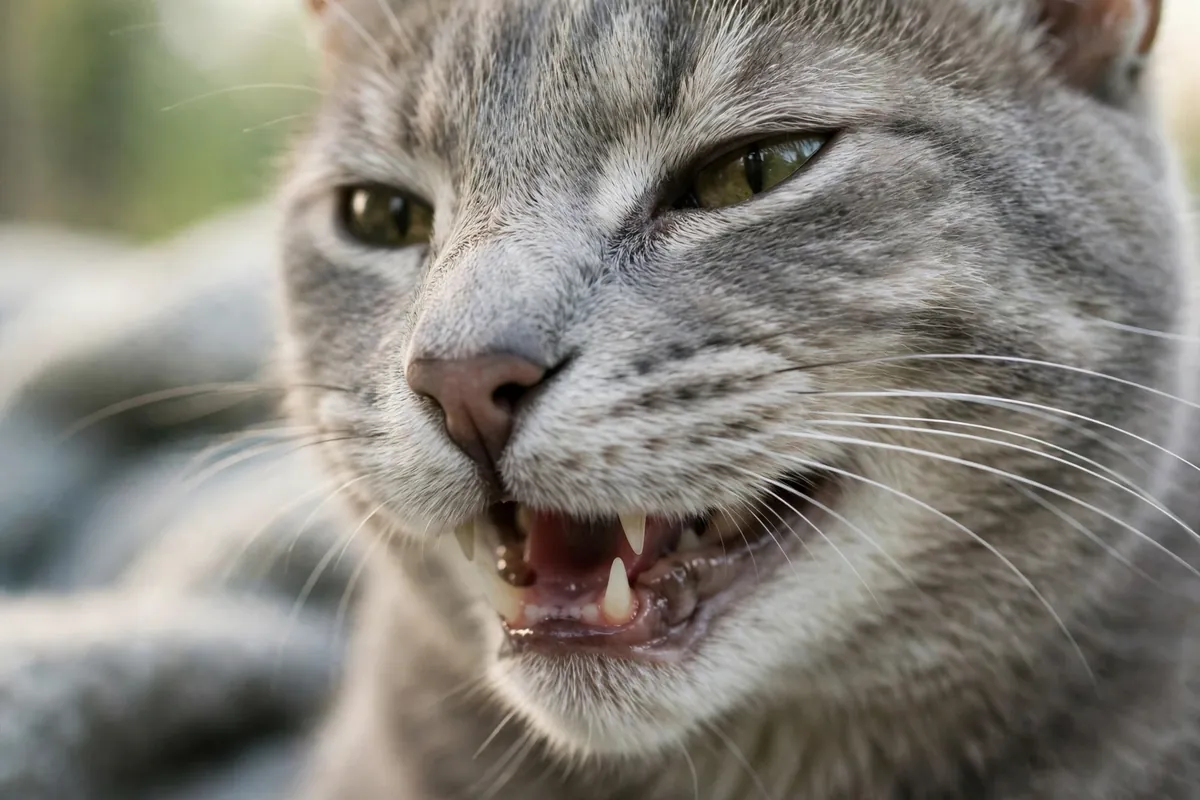
If your cat's yawn makes you recoil, here is the short answer: persistent bad breath in cats is rarely normal, and dental disease is the most common cause. A healthy cat's breath should be mild — not minty-fresh, but not foul either. When it smells rotten, fishy beyond the last meal, or unusually sweet, the mouth is sending you a message. Usually the culprit is plaque, tartar, or gum inflammation building quietly for months — though breath odor can occasionally hint at kidney trouble, diabetes, or liver problems, each with its own signature smell. This Cat Health guide from Purrfect Paws covers the eight most common causes, what different smells can suggest, safe home care, and when to see your vet.
Is Bad Breath Ever Normal in Cats?
A whiff of tuna right after dinner is normal — food smells like food. What is not normal is breath that smells bad hours after eating, or an odor that keeps getting worse. Chronically foul breath is an early clue that something in the mouth — or deeper in the body — needs attention, and cats hide mouth pain well. If the smell has become a regular feature of cuddle time, treat it as a signal, not a personality trait.
8 Common Causes of Bad Breath in Cats
1. Dental Disease (Plaque, Tartar & Periodontitis)
This is the big one. Without regular cleaning, soft plaque hardens into tartar along the gumline, bacteria thrive, and the gums become inflamed — gingivitis. Left alone, it progresses to periodontitis, where the structures supporting the teeth break down, producing the classic rotten odor most owners recognize. You may also notice red gums, yellow-brown crust on the teeth, or dropped food while eating. Because it creeps in gradually, the smell often seems to appear "suddenly."
2. Stomatitis (Severe Mouth Inflammation)
Stomatitis is an intense, painful inflammation of the mouth's tissues — gums, cheeks, tongue, and throat — thought to involve an immune overreaction to the bacteria in dental plaque. Affected cats often have strikingly bad breath along with drooling, difficulty eating, and pawing at the mouth. Home care cannot resolve it; it needs veterinary management. If your cat's breath is foul and eating seems painful, stomatitis is a strong possibility.
3. Something Stuck in the Mouth
A piece of string, plant fragment, or bit of bone lodged between teeth or around the tongue can rot quietly and produce a terrible smell. Cats may paw at their mouths, drool excessively, or suddenly refuse food. String-like objects are especially risky — they can cut into the tongue or cause intestinal damage if swallowed. Do not yank out anything you see; a vet should remove it safely. This kind of trouble often comes with drooling, covered in our guide on why cats drool.
4. Kidney Disease
When the kidneys are not filtering waste properly, toxins build up in the blood — and the breath can take on a distinctly ammonia-like or urine-like odor. Kidney disease is especially common in senior cats, so this smell in an older cat deserves prompt veterinary attention. Other clues often travel with it: drinking and urinating much more than usual, and weight loss. See the early warning signs in our article on early signs of kidney disease in cats. Smell alone cannot diagnose it, but the breath can be the nudge that gets a cat checked in time.
5. Diabetes (Sweet or Fruity Breath)
Breath that smells unusually sweet or fruity is a different and more urgent story — it can signal diabetic ketoacidosis, a dangerous complication of diabetes where the body starts breaking down fat for energy. A sweet smell on your cat's breath — with increased thirst, frequent urination, weight loss, or lethargy — needs a prompt vet call. Diabetes is manageable, but the fruity-breath stage means the situation should not wait.
6. Liver Disease
Liver problems can produce an exceptionally foul, musty breath odor, as faltering toxin filtration lets compounds circulate and escape through the breath. Liver disease often brings company — yellowing of the gums or ears (jaundice), vomiting, appetite loss, and lethargy — so suspected liver trouble is always a "see the vet soon" situation rather than a home-care project.
7. Oral Tumors
Growths in the mouth — most often seen in older cats — can cause bad breath as tissue breaks down or becomes infected. Warning signs include a visible lump in the mouth, unexplained gum bleeding, a loose tooth in an adult cat, drooling, or crying out while eating. Not every oral lump is malignant, but any unexplained growth needs a vet's examination and usually a biopsy. Do not dismiss a new smell in a senior cat as "just old age."
8. Diet and Eating Habits
Sometimes the explanation is refreshingly simple: the food. Strong-smelling fish-based diets, table scraps, or a raid on the garbage can all leave breath that clears within a day, as can a hunting trip or — unpleasant but true — eating feces. Diet-related odor is the one cause that resolves on its own: if the smell fades within a day of normal meals, dinner was almost certainly the culprit.
The "Smell Test": What Different Odors Can Suggest
Your nose cannot diagnose your cat, but the type of smell is genuinely useful information for your vet. Rotten or fishy usually means dental disease. Ammonia or urine-like raises the question of kidney trouble, especially in an older cat. Sweet or fruity is the classic flag for diabetes complications — call your vet promptly. Exceptionally foul and musty can accompany liver problems. Mention the specific smell at the appointment.
What You Can Safely Do at Home
Home care cannot reverse established dental disease, but it slows new buildup between vet visits:
- Start tooth brushing — the single most effective home measure — with a pet toothbrush and pet toothpaste (never human toothpaste), building up gradually in short sessions. Our guide on how to brush your cat's teeth walks you through it.
- Use dental treats and water additives as helpers, not fixes — they support your routine but do not remove hardened tartar or treat gum disease.
- Offer safe chew toys for mild mechanical cleaning — avoid anything hard enough to crack a tooth.
- Peek inside the mouth regularly — lift the lip to check for red gums, heavy tartar, broken teeth, or lumps; knowing "normal" helps you spot change early.
- Keep fresh water available — hydration supports overall health and washes away food debris.
Never use human toothpaste, baking soda, or mouthwash on your cat — all contain ingredients unsafe when swallowed. And never scrape tartar off teeth yourself; without proper tools you risk injuring the gums and missing disease below the gumline.
When to See a Vet About Bad Breath
See a vet promptly if you notice any of the following alongside the odor:
- Breath that smells sweet or fruity (possible diabetes complication).
- Ammonia or urine-like breath, especially in a senior cat.
- Drooling, pawing at the mouth, or bleeding gums.
- Difficulty eating or crying while chewing.
- A visible lump, swelling, or sore in the mouth.
- A sudden change in breath odor.
- Bad breath plus lethargy, vomiting, weight loss, or increased thirst.
Even without red flags, mention bad breath at checkups — a quick look inside the mouth can catch dental disease long before it becomes painful.
Frequently Asked Questions
How can I brush my cat's teeth at home?
Let your cat taste pet toothpaste from your finger first, then graduate to a finger brush or small pet toothbrush, brushing the outer surfaces in short sessions. Never use human toothpaste — it is unsafe for cats.
Do dental treats and water additives actually work for bad breath?
They can reduce some plaque as a supplement, but they do not replace brushing or professional care. Established tartar and gum disease need a vet's attention.
My kitten has bad breath — is that normal?
Mild odor while teething (roughly 3 to 7 months) is fairly common. But strong or persistent bad breath in a kitten is not normal and should be checked by a vet.
Can I use human toothpaste on my cat?
No — it contains fluoride and foaming agents unsafe for cats, who swallow rather than spit. Always use a toothpaste made specifically for pets.
How often do cats need professional dental cleaning?
There is no fixed schedule — it depends on your cat's teeth, age, and breed. Your vet will recommend professional cleaning (under anesthesia) when home care is no longer enough.