Cat Bladder Stones: 6 Signs to Watch For
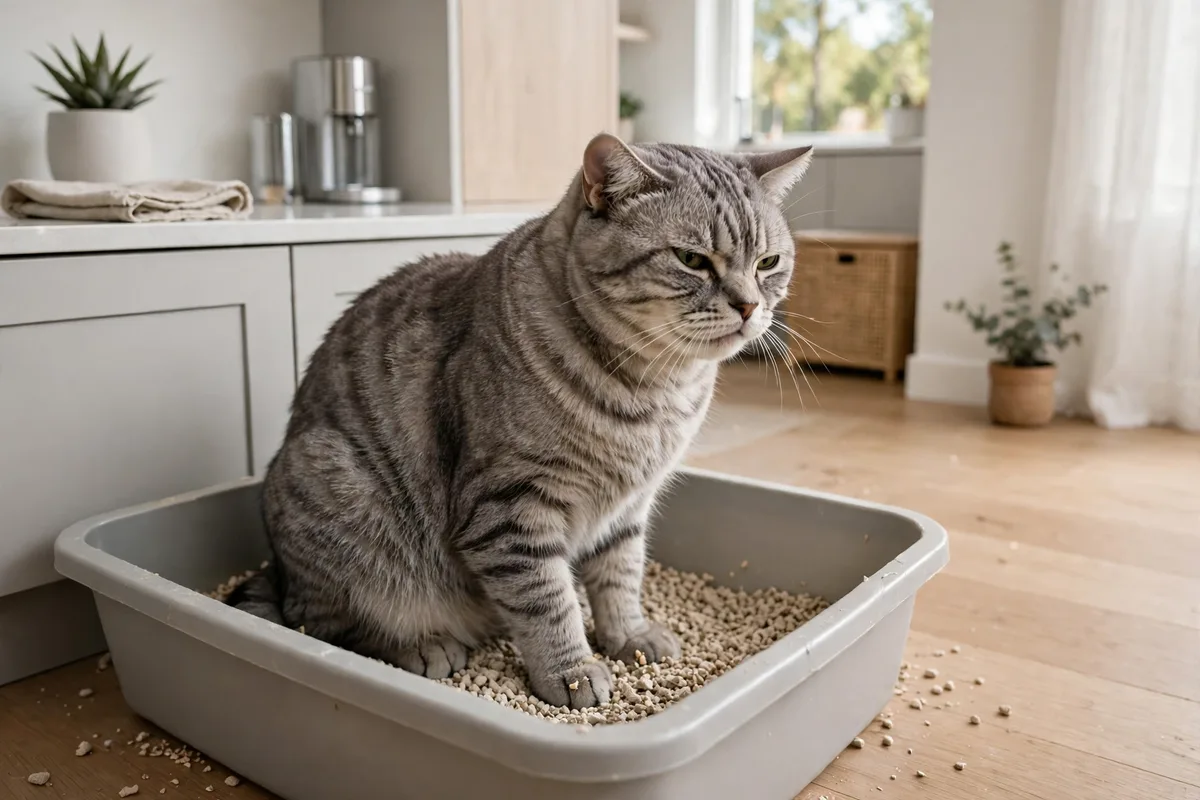
If your cat starts visiting the litter box again and again, strains without producing much urine, or suddenly starts urinating outside the box, bladder stones could be part of the problem. Bladder stones are solid mineral deposits that form inside the bladder, and they can irritate the bladder wall, cause pain, and in some cases block the urinary tract entirely. That last possibility is what makes early recognition so important.
The warning signs are usually visible if you know what to look for, and many stones can be treated successfully once found. This guide explains the 6 signs, how stones differ from a simple urinary infection, how vets diagnose and treat them, and how to lower the chance they return.
What Are Bladder Stones in Cats?
Bladder stones, known medically as uroliths, form when minerals in the urine clump together into crystals and then harden into stones. They can be as small as grains of sand or as large as a marble, and a cat may have just one stone or many. The two most common types in cats are struvite stones and calcium oxalate stones. The type matters a great deal, because it determines whether the stone can be dissolved with diet or must be removed another way.
Stones develop when urine becomes too concentrated, too acidic or too alkaline, or unusually high in certain minerals. Diet, water intake, body weight, and underlying conditions all play a role, and some cats are simply more prone to them. Once present, a stone rubs the bladder lining every time the bladder fills and empties, so symptoms tend to worsen rather than improve on their own.
6 Signs of Bladder Stones in Cats
- Frequent trips to the litter box with little urine. This is often the first sign owners notice: the irritated bladder never feels fully empty, so the cat may visit the box many times in an hour and produce only a few drops each time.
- Straining or crying while urinating. Straining, long crouching, or vocalizing in the litter box suggests pain or difficulty passing urine. Straining is easy to confuse with constipation, but repeated, unproductive trips to the box should be treated as a urinary problem until a vet says otherwise.
- Blood in the urine. Pink, red, or brown-tinged urine is a classic sign of bladder irritation, whether from stones, infection, or both. Blood may be obvious in the litter or only visible as faint discoloration on light-colored litter. Any blood in the urine deserves a prompt vet visit.
- Urinating outside the litter box. A reliably trained cat that suddenly urinates on beds or laundry may associate the box with pain, or may simply be unable to hold on until they reach it. This is not spite — it is often how a cat shows that something hurts.
- Licking the genital area more than usual. Excessive licking around the rear end or genital area can signal discomfort in the urinary tract. Some cats also groom their lower belly obsessively. While over-grooming has other causes too, combined with litter box changes it strengthens the case for a urinary check.
- Changes in behavior, appetite, or energy. A cat in urinary discomfort may hide more, play less, eat less, or become unusually clingy or irritable. If your cat seems generally unwell alongside any sign above, do not wait to see whether it passes.
Bladder Stones vs UTI vs a Blockage: Why the Distinction Matters
Bladder stones, urinary infections, and feline lower urinary tract disease share many symptoms, so they are easy to confuse at home. A bacterial infection is treated with antibiotics, while stones may need dietary dissolution or removal. The two can also occur together, with stones making infection more likely and infection encouraging certain stones to grow.
The most urgent distinction is a urinary blockage, where a stone or a plug of mucus and crystals completely blocks the urethra. A blocked cat strains repeatedly but produces no urine at all. This is an emergency, especially in male cats, whose narrower urethra makes blockage more likely. Without treatment, a blocked cat can become critically ill within a day. No urine at all, with straining, vomiting, or collapse, means an immediate emergency vet trip. For more on urinary symptoms generally, see our guide to cat UTI symptoms.
What Causes Bladder Stones in Cats?
Low water intake is one of the biggest risks: cats that eat mainly dry food and drink little produce more concentrated urine, giving minerals more opportunity to crystallize. Overweight, indoor-only cats that move and urinate less often are also at higher risk, as urine sits in the bladder longer. Certain mineral-heavy diets and conditions that change urine acidity can tip the balance further.
Stones are most often diagnosed in middle-aged cats, and some breeds appear more prone to specific stone types. A previous urinary problem also raises the odds of another, which is why vets usually recommend follow-up urine tests even after successful treatment. Water, weight, and diet are the levers owners can genuinely influence.
How Vets Diagnose and Treat Bladder Stones
Diagnosis usually begins with a physical exam, where the vet may feel the bladder and check for pain or blockage. A urine test looks for crystals, blood, and infection, and a culture may identify any bacteria. Imaging — most often an X-ray, sometimes an ultrasound — confirms whether stones are present and shows their size, number, and location.
Treatment depends on the stone type and severity. Struvite stones can sometimes be dissolved over several weeks with a prescription diet, with rechecks to confirm they are shrinking. Calcium oxalate stones cannot be dissolved, so they usually need removal — most often by surgery, or sometimes by flushing small stones out. If a blockage is present, relieving it comes first. Antibiotics are added if infection is found, and removed stones are usually lab-tested, since knowing the exact type makes prevention possible.
Home Care and Preventing Stones From Coming Back
After treatment, prevention becomes the daily job. Encourage water intake with fresh water in multiple places, a water fountain, and wet food if your vet approves. Keep the litter box clean and accessible — cats that avoid a dirty box hold their urine longer. Help your cat stay at a healthy weight with measured meals and regular play, and stick to any prescription diet rather than switching foods on your own.
Watch for early warning signs in the months after treatment, and keep follow-up appointments even if your cat seems fine. Recurrence is common enough that vets often recheck urine periodically, and catching a new stone while small is far easier than treating a large one later. A calm, low-stress home also helps: predictable routines, safe hiding spots, and enough litter boxes for a multi-cat household all support bladder health.
Bladder stones sound frightening, and a blocked cat is a genuine emergency — but most cases are caught through exactly the signs in this guide: frequent box visits, straining, blood, and accidents outside the box. If you see them, call your vet promptly rather than hoping they pass. With the right diagnosis and a prevention plan, most cats with bladder stones go on to live comfortably, and many never form another stone.
Frequently Asked Questions
Can cat bladder stones dissolve without surgery?
Some types, most notably struvite stones, can sometimes be dissolved with a prescription diet over several weeks. Calcium oxalate stones cannot be dissolved and usually need to be removed. Your vet will identify the stone type before recommending a plan.
Are bladder stones the same as a urinary tract infection?
No, although they can occur together and cause very similar symptoms. A urinary infection is caused by bacteria, while stones are solid mineral deposits. Stones can also irritate the bladder and make infection more likely, so both problems are often checked for at the same visit.
How are bladder stones diagnosed in cats?
Diagnosis usually starts with a physical exam and a urine test, followed by an X-ray or ultrasound to confirm stones and see their size and number. A urine culture may also be run to check for infection.
Can bladder stones come back after treatment?
Yes, recurrence is possible, especially if the underlying cause is not addressed. Long-term prevention usually involves a vet-recommended diet, encouraging water intake, regular check-ups, and sometimes repeat urine tests.
When is a urinary problem an emergency in a cat?
If your cat is straining but producing no urine at all, or is vomiting, very lethargic, or in obvious distress, treat it as an emergency and go to a vet immediately. A blocked urinary tract can become life-threatening within a day, especially in male cats.