Cat Constipation: What to Do at Home
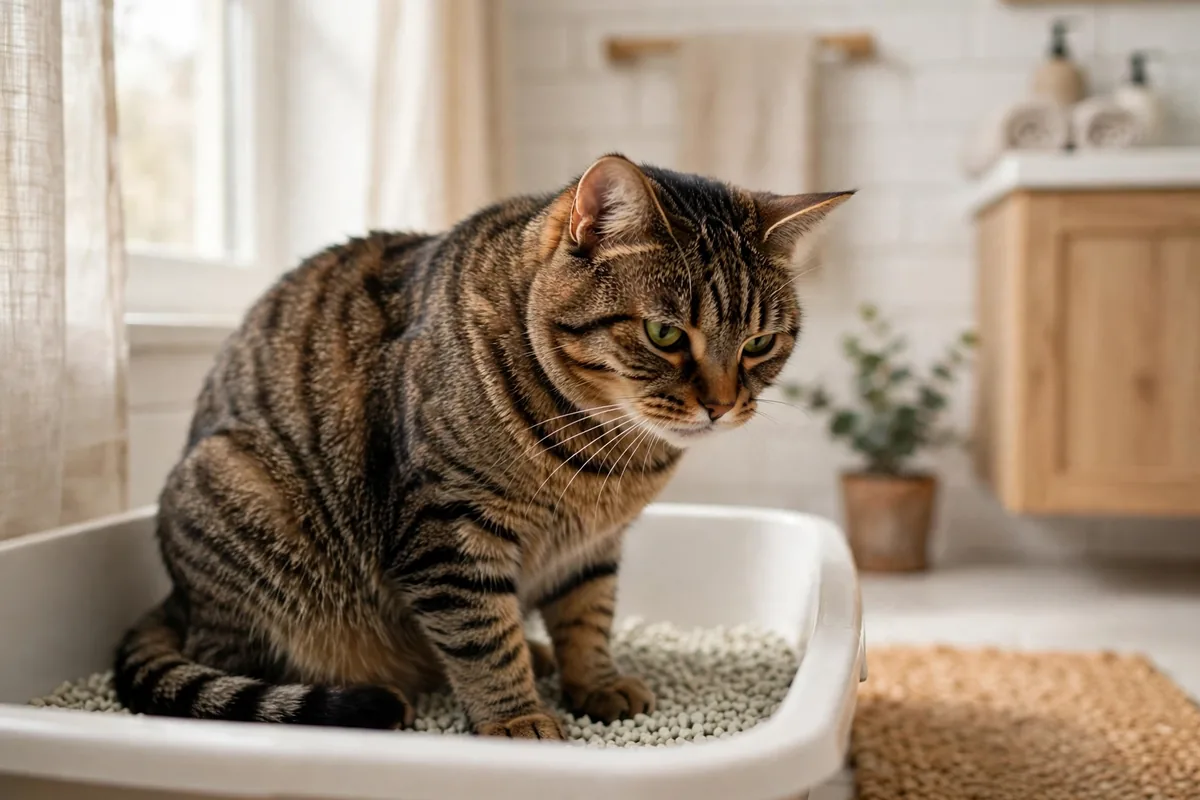
If your cat hasn't pooped in a day or two, here's what to do at home: make sure they're drinking enough water, switch to or add wet food, mix a spoonful of plain canned pumpkin into their meals, keep the litter box spotless, and encourage gentle play. Most mild cases of cat constipation pass within 24 to 48 hours with these simple steps. But if your cat is straining with no result, vomiting, lethargic, or hasn't had a bowel movement in more than two to three days, stop waiting and call your veterinarian — constipation can progress into a painful, serious blockage.
Constipation is one of the most common digestive problems in cats, and it can sneak up on you. Unlike cat diarrhea, which announces itself loudly, constipation hides. Your cat may still visit the litter box regularly — you just don't realize nothing is being produced. This guide covers how to tell the difference between a normal slow day and true constipation, the most common causes, the home steps that actually help, the remedies you should avoid, and exactly when a vet visit becomes urgent.
What's Normal? How Often Should a Cat Poop?
Most healthy adult cats poop about once a day. Some go twice a day, especially kittens and cats on wet-food diets, and some perfectly healthy cats go once every 24 to 36 hours. What's "normal" depends on your cat's individual routine — the important thing is to know their pattern so you can spot a change.
A good rule of thumb: if your cat has skipped one day, watch and wait. If they haven't produced a stool in 48 to 72 hours, or they're making frequent trips to the box with little or nothing to show for it, that's constipation until proven otherwise. Senior cats, overweight cats, and cats with kidney disease tend to run into constipation more often, so if your cat falls into one of these groups, keep a closer eye on the litter box.
6 Signs Your Cat Is Constipated
- Straining in the litter box. The number-one clue. Your cat squats, pushes, maybe cries out, and produces nothing — or only a tiny, hard pellet. Some cats make repeated trips, hopping in and out of the box several times in an hour.
- Small, hard, dry stools. When stool does appear, it looks like dry pebbles or small, cracked lumps instead of the usual log-shaped stool. Dryness means the colon has been absorbing too much water from stool sitting too long.
- Crying or discomfort while trying to go. A cat that meows, growls, or looks distressed in the box is telling you something hurts. Take this seriously — it can also signal a urinary blockage (see the emergency note below).
- Reduced appetite. A backed-up digestive tract makes cats feel full and nauseous. If your cat is constipated, don't be surprised if they also turn away from food — which is why our guide on why your cat is not eating often overlaps with this one.
- Lethargy and hiding. Constipated cats often become quiet, sleep more, and may hide. A full colon is uncomfortable, and some cats act withdrawn rather than showing obvious pain.
- Vomiting or a tense belly. In more advanced cases, cats may vomit (sometimes repeatedly) or have a firm, tender abdomen when you gently touch it. These are signs the situation has progressed and needs a vet, not more home remedies.
⚠️ Important: straining in the litter box can also mean your cat is struggling to urinate, not defecate. A blocked bladder — especially in male cats — is a life-threatening emergency that can turn fatal within a day. If you see straining with no urine output, frequent tiny pees, or crying while trying to pee, treat it as an emergency and go to the vet immediately, don't wait.
Common Causes of Constipation in Cats
Understanding the cause helps you prevent the next episode. The most common triggers include:
- Dehydration. This is the big one. Cats are desert animals by ancestry and many simply don't drink enough water — especially cats eating only dry kibble. When the body is short on water, the colon absorbs more moisture from stool, turning it hard and difficult to pass.
- Hairballs. Cats swallow a lot of fur during grooming. Most passes through, but large amounts can slow digestion or partially block the tract. Long-haired breeds and heavy shedders are most affected.
- Lack of fiber or a poor diet. Diets very low in fiber, sudden food changes, or eating non-food items (string, plastic, litter) can all cause blockages or slow motility.
- Obesity and inactivity. Overweight, sedentary cats have slower gut movement. Movement literally massages the intestines — a cat that sleeps all day and never plays is more likely to get backed up.
- Dirty or stressful litter box situation. Some cats will "hold it" rather than use a filthy box, a box in a noisy spot, or a box they have to share with a bully housemate. Held stool dries out and becomes harder to pass.
- Age and medical conditions. Senior cats, cats with kidney disease, arthritis (it hurts to squat), pelvic injuries, or nerve problems are all more prone to chronic constipation. In severe long-term cases, the colon can stretch and lose its ability to contract — a condition called megacolon.
What to Do at Home: 7 Safe Steps
If your cat is mildly constipated — still eating and drinking a bit, no vomiting, no severe pain — these home steps can help things move along:
- Boost hydration everywhere. Put out fresh water in multiple spots, and consider a cat water fountain — many cats drink significantly more from moving water. Add a tablespoon or two of water (or low-sodium broth with no onion or garlic) to their wet food.
- Switch to wet food (at least partly). Canned food is roughly 75–80% water compared to about 10% in dry kibble. Even replacing one dry meal a day with wet food meaningfully increases your cat's water intake. This is the single most effective long-term change for constipation-prone cats.
- Add plain canned pumpkin. A spoonful of plain pumpkin puree (not pumpkin pie filling, which has sugar and spices) mixed into wet food adds both fiber and moisture. Most cats accept a teaspoon to a tablespoon. If your cat won't touch it, don't force it — move on to the other steps.
- Encourage gentle exercise. A 10–15 minute play session with a wand toy or laser pointer gets the gut moving. Even slow indoor cats benefit — movement stimulates intestinal contractions.
- Keep the litter box pristine. Scoop at least once a day (twice is better), and make sure you have one box per cat plus one extra. Put boxes in quiet, accessible spots — an arthritic senior may avoid a box with high sides or one at the top of the stairs.
- Brush regularly. Daily brushing — especially for long-haired cats — removes loose fur before your cat swallows it, reducing hairball-related slowdowns.
- Reduce stress. New pets, visitors, construction noise, or a moved litter box can make a cat hold it in. Keep routines steady and give your cat a calm, private place to do their business.
Most mild cases improve within a day or two of these changes. Keep monitoring the box — when a normal stool appears, you're in the clear, and you can keep the wet food and extra water going as prevention.
Home Remedies to AVOID
The internet is full of constipation advice for cats, and some of it is genuinely dangerous. Avoid these:
- Human laxatives. Never give your cat products meant for people — including common over-the-counter laxatives — without explicit veterinary dosing instructions. Wrong doses or wrong ingredients can cause dehydration, electrolyte crashes, or worse. Only use medications your vet prescribes.
- Milk as a "natural laxative." This old trick backfires. Most adult cats are lactose intolerant, so milk is more likely to cause painful cramps and diarrhea than to relieve constipation safely.
- Enemas at home. Giving a cat an enema yourself can injure the rectum or cause dangerous electrolyte shifts. Some human enema products contain ingredients that are toxic to cats. Enemas are a vet-clinic procedure.
- Olive oil, coconut oil, or butter by the spoonful. A tiny amount is sometimes mentioned, but oils add a lot of calories, can cause vomiting or diarrhea, and there's a risk of aspiration if your cat inhales it. Ask your vet before trying any oil.
- Forcing food or water. Syringing large amounts of water or food into a resisting cat risks aspiration pneumonia. If your cat won't eat or drink, that's information for your vet, not a problem to force through.
When to Call the Vet
Home care has limits. Contact your veterinarian promptly if you notice any of the following:
- No bowel movement for more than 48–72 hours.
- Straining with no result, especially if repeated over several hours.
- Vomiting alongside constipation — this can signal a blockage.
- Complete loss of appetite, extreme lethargy, or hiding for most of the day.
- A hard, swollen, or painful belly.
- Blood or mucus around the rectum.
- Your cat is a kitten, a senior, or has a known condition like kidney disease.
- Constipation that keeps coming back — recurring episodes need a vet to find the underlying cause, which can range from dehydration to megacolon.
At the clinic, the vet will typically do a physical exam (feeling the colon through the belly), and may take an X-ray to see how backed up things are. Treatment can range from prescription stool softeners and fluids to, in stubborn cases, a manual evacuation under sedation. It sounds dramatic, but it's routine for vets — and far safer than letting it drag on at home.
For more digestive topics, browse our full Cat Health section or head back to the Purrfect Paws homepage for guides on food, behavior, and daily care.
Frequently Asked Questions
How long can a cat go without pooping before it becomes a problem?
Most healthy cats poop once a day, and up to every 24–36 hours can still be normal. If your cat has not had a bowel movement in 48–72 hours, is straining without results, or is showing other signs like vomiting or loss of appetite, call your veterinarian.
Can I give my constipated cat pumpkin?
Yes — plain canned pumpkin (not pumpkin pie filling) is a common vet-suggested home remedy. A spoonful mixed into wet food adds fiber and water. Stop if your cat refuses it or symptoms worsen, and never force-feed.
Is it okay to give a cat olive oil or milk for constipation?
Milk is not a safe remedy — most adult cats are lactose intolerant and it can cause diarrhea or stomach pain. A small amount of olive oil is sometimes used, but it is not risk-free; ask your vet before giving oils, butter, or any human laxative, which can be dangerous for cats.
Can I give my cat a human laxative?
No — never give human laxatives without explicit veterinary dosing instructions. Some human products contain ingredients that are unsafe for cats, and incorrect doses can cause dehydration or electrolyte problems. Only use medications your vet prescribes.
What does cat constipation look like in the litter box?
Watch for frequent trips with little or no result, straining or crying while trying to go, very small hard dry pellets, or straining that looks like your cat is trying to urinate. Note: straining to urinate is an emergency — if you are unsure which one your cat is doing, call your vet immediately.