Cat Ear Infection: 7 Signs and How It's Treated
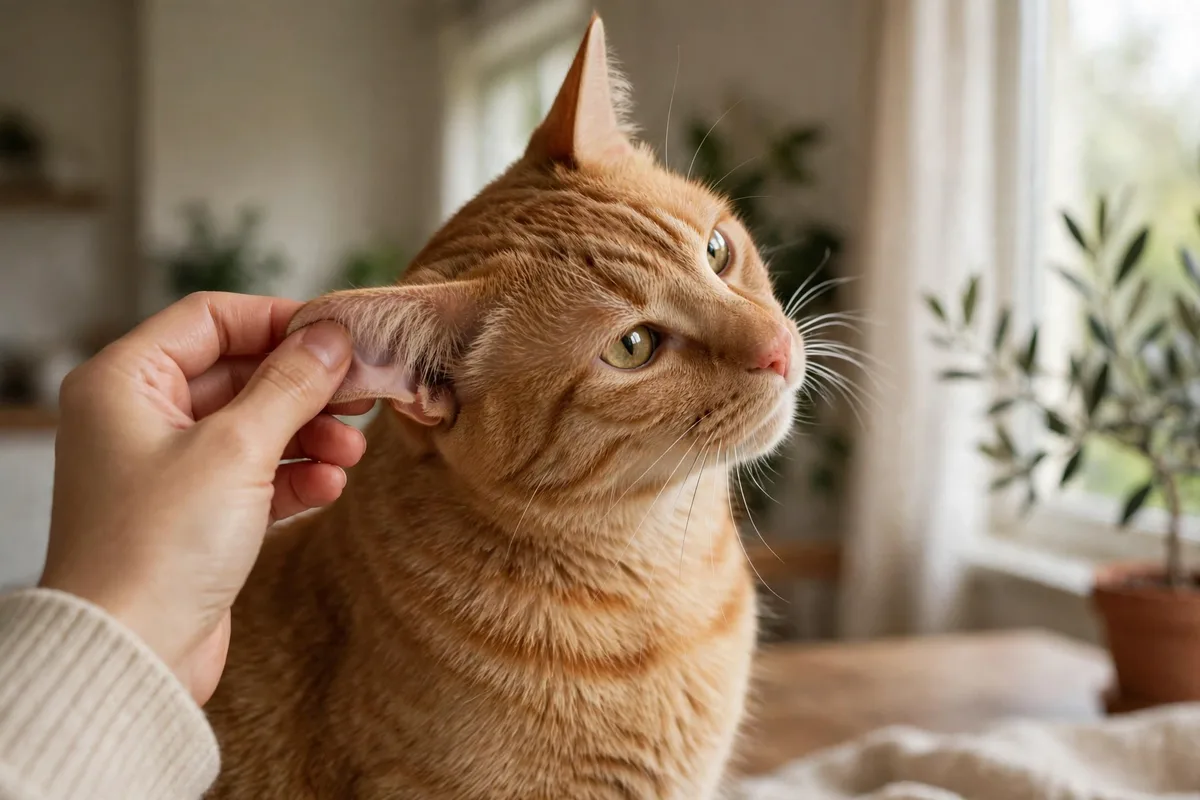
If your cat suddenly starts scratching at one ear, shaking their head, or holding an ear at a strange angle, an ear infection could be the cause. Ear infections in cats are uncomfortable and often painful, but they are also very treatable when they are caught early. The tricky part is that cats are good at hiding discomfort, so the first signs can be easy to miss or easy to mistake for simple itching.
This guide covers the 7 most common signs, what usually causes an infection, how a vet diagnoses and treats it, and what you can safely do at home while you wait. It also explains how ear infections differ from ear mites, which can look similar but need different treatment.
What Is a Cat Ear Infection?
A cat ear infection, called otitis by veterinarians, is inflammation of the ear canal, usually caused by bacteria or yeast growing where they should not. Most infections affect the outer ear canal, the part you can partly see when you lift the ear flap. In more serious cases, infection can reach the middle or inner ear, where it may affect balance and hearing.
Healthy ears have a natural balance of microorganisms and a little wax that protects the canal lining. When allergies, mites, trapped moisture, a foreign object, or a growth disrupts that balance, bacteria or yeast can multiply quickly, leaving the ear red, swollen, and sore, often with discharge. Cats with allergies or narrow ear canals are more prone to repeat infections.
7 Signs of an Ear Infection in Cats
- Frequent scratching at one or both ears. Occasional scratching is normal, but repeated, intense scratching — especially at one ear — is an early warning sign. You may also notice red marks, hair loss, or small scabs around the ear.
- Head shaking or head tilt. A cat with a sore ear often shakes their head as if trying to dislodge something, or tilts it to one side for long stretches. A persistent tilt may mean a deeper ear problem and should be checked promptly.
- Redness or swelling inside the ear. Lift the ear flap gently: a healthy inner ear is pale pink and clean, while an infected ear often looks red, puffy, or irritated and may feel warm. Compare both ears — a clear difference matters.
- Dark, smelly discharge. Infections often produce brown, yellow, or blackish discharge with a strong, unpleasant smell. Yeast infections tend to produce dark brown, waxy material; bacterial ones may produce yellowish or greenish pus. Any new discharge deserves a vet visit.
- Pain when the ear is touched. A cat that flinches, pulls away, or cries out when you touch near the ear is telling you it hurts. Never force an examination if your cat is in pain — let the vet handle it.
- Changes in behavior or appetite. Ear pain can make a cat withdrawn, less playful, or reluctant to eat. A normally social cat that suddenly hides, sleeps more, or loses interest in food may be dealing with more than a bad mood.
- Balance problems or unusual eye movements. Deeper infections may cause wobbliness, walking in circles, or rapid, involuntary eye movements. These suggest the middle or inner ear is involved and need urgent veterinary attention.
Cat Ear Infection vs Ear Mites: How to Tell the Difference
Ear mites are tiny parasites that live in the ear canal and are a common cause of ear trouble, especially in kittens and outdoor cats. They cause intense itching and dry, crumbly, coffee-ground-like discharge, while infections more often produce moist, strong-smelling discharge with redness and swelling.
In practice, the two often go together: mites damage the skin inside the ear, and bacteria or yeast then exploit the damage. That is why your vet will usually examine the ear under a microscope before deciding on treatment. Guessing at home can waste valuable time and let the infection worsen. For more detail, see our guide to ear mites in cats.
What Causes Ear Infections in Cats?
Allergies are a leading trigger for repeat infections in adult cats: food and environmental allergies inflame the ear canal, creating the warm, moist conditions yeast and bacteria love. Ear mites, trapped water after bathing, a grass seed, and growths or polyps inside the canal can all start the same cycle.
Some cats are simply more prone to infections: folded ears or narrow canals trap moisture and debris, and cats with weakened immune systems may struggle to keep normal ear organisms in check. Finding the underlying cause matters as much as treating the infection, because without fixing it, the infection is likely to return.
How a Vet Diagnoses and Treats an Ear Infection
At the clinic, your vet will examine the ear with an otoscope to see down the canal and check whether the eardrum is intact, then usually swab any discharge and look at it under a microscope to identify bacteria, yeast, or mites. In recurring cases, a lab sample or allergy testing may follow.
Treatment depends on what is found. Most outer ear infections are treated with medicated ear drops at home for one to two weeks, sometimes after the vet cleans the ear in the clinic. Mites add an antiparasitic treatment; deeper infections may need oral antibiotics or antifungals. Your vet will also treat the underlying cause, such as adjusting diet for a suspected food allergy. Finish the full course even if your cat seems better, and keep the recheck appointment.
Safe Home Care While You Wait for the Vet
While you wait, keep things simple: trim your cat's nails to limit scratching, keep the ears dry, and note when symptoms started, which ear is affected, and whether you have seen discharge, head shaking, or appetite changes, so you can give the vet a clear history.
Do not put anything into the ear canal at home: no human ear drops, no hydrogen peroxide, no vinegar mixtures, and no leftover medication from another pet. If the eardrum is damaged, some liquids can cause serious harm or hearing loss. Do not clean deep inside the canal with cotton swabs, which can push debris further in. A vet-approved cleaner on the outer flap only, if your vet advises it, is the safe limit.
When to Seek Urgent Veterinary Care
Most ear infections are not emergencies, but some situations need same-day care. Contact your vet urgently if your cat shows balance problems, a pronounced head tilt, facial drooping, or rapid eye movements; bleeding from the ear; severe swelling or a puffy, fluid-filled ear flap; or if your cat stops eating, becomes very lethargic, or seems in severe pain. Kittens, seniors, and cats with other health problems should also be seen sooner, since infections can progress faster in them.
Preventing Future Ear Infections
Prevention starts with weekly checks: lift each ear flap and look for redness, odor, or discharge, and watch for scratching or head shaking during play. If your vet has recommended a routine ear cleaner, use it exactly as directed — over-cleaning can irritate the canal. Manage allergies with your vet's help, treat mites promptly in every cat in the household, and dry the ears carefully after any bath.
Ear infections are painful, but they are also one of the most straightforward cat health problems to treat when caught early. Trust the signs above, book the vet visit, and resist treating the ear at home with unprescribed products.
Frequently Asked Questions
Can a cat ear infection go away on its own?
Rarely, and waiting is risky. Mild irritation may settle, but a true bacterial or yeast infection usually needs veterinary treatment. Untreated infections can spread deeper into the ear and cause lasting hearing damage.
Can I use human ear drops on my cat?
No. Human ear drops may contain ingredients that are unsafe for cats or harmful if the eardrum is damaged. Only use drops prescribed by your veterinarian after the ear has been examined.
How long does it take to treat a cat ear infection?
Many outer ear infections improve within a few days of starting treatment, with a full course usually lasting one to two weeks. Your vet may recheck the ear to confirm the infection has cleared before stopping medication.
Are ear infections contagious to other cats?
Bacterial and yeast infections themselves are not usually contagious, but ear mites — a common underlying cause — spread easily between cats. If one cat in a multi-cat home has mites, all cats should be checked.
How can I prevent ear infections in my cat?
Check your cat's ears weekly, clean them only when your vet advises it, treat allergies and mites promptly, and keep the ears dry after baths. Cats with allergies or narrow ear canals may need regular vet check-ups.