Cat Not Eating But Drinking Water: What It Means
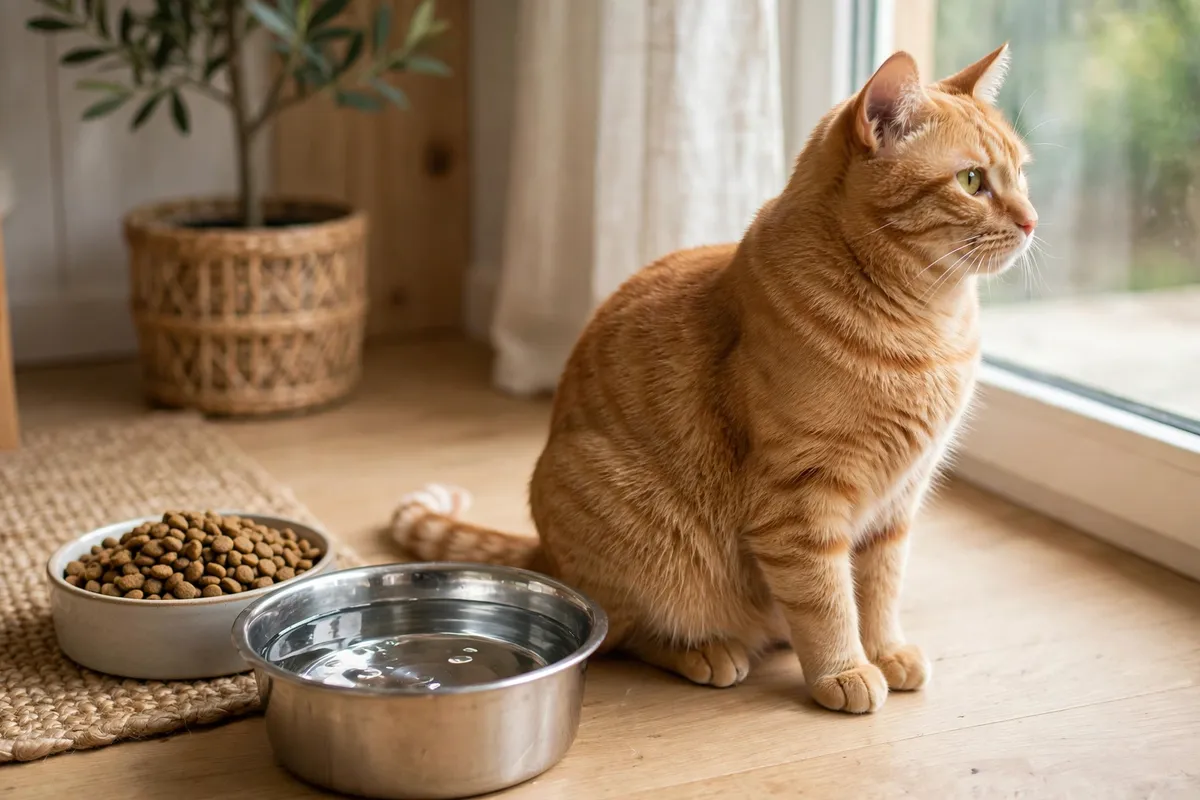
Few things worry a cat owner more than a cat who walks past the food bowl yet keeps returning to the water bowl. Eating and drinking usually go together, so when they split apart, it feels like a clear signal that something is wrong — and often, it is a signal worth paying attention to. A cat that is not eating but is drinking water is telling you, in the only way it can, that food has become difficult, unappealing, or even painful, while thirst remains or has actually increased.
The good news is that this pattern narrows the possibilities down quite a lot. It is different from a cat that refuses everything, and different again from a cat that eats and drinks normally but is losing weight. In this guide we walk through the most common causes — from dental pain and nausea to kidney disease and diabetes — how to check your cat at home, what to try for 24 hours, and the red flags that mean you should stop waiting and call your veterinarian.
What This Pattern Usually Points To
When a cat stops eating but keeps drinking, the first question is whether the problem is in the mouth, the stomach, or the whole body. Mouth pain is one of the most common and most overlooked causes: a sore tooth, inflamed gums, or a painful ulcer can make chewing hurt while lapping water stays easy. Cats with dental pain often approach the bowl eagerly, sniff the food, maybe lick at it, and then walk away — they want to eat, but eating hurts. Drooling, dropping kibble, chewing on one side, or a bad smell from the mouth all point in this direction.
Nausea is the second big group. A nauseated cat may feel thirsty and drink, but the thought of food turns its stomach. Nausea in cats is subtle: lip licking, swallowing repeatedly, turning away from food after sniffing it, or sitting hunched near the water bowl are classic signs. Kidney disease, liver problems, pancreatitis, infections, and some medications can all cause nausea, and several of these also increase thirst, which is exactly why the eat-no-drink-yes pattern shows up so often in older cats.
Increased Thirst: When Drinking More Is the Clue
Pay attention to whether your cat is drinking a normal amount or noticeably more than usual. A cat that is drinking more and eating less deserves a vet visit sooner rather than later, because the two conditions most famous for this combination are kidney disease and diabetes. In kidney disease, the kidneys lose their ability to concentrate urine, so the cat urinates more and drinks more to keep up. Appetite fades gradually, weight slips off slowly, and the coat can look dull. It is most common in senior cats, but it can appear in younger cats too.
Diabetes tells a similar story with a few extra clues: increased thirst and urination, weight loss despite a previously good appetite, and sometimes weakness in the back legs, where the cat starts walking flat on its hocks instead of its toes. Hyperthyroidism, another common senior-cat condition, can also cause increased thirst and a changing appetite, though those cats are often restless, hungry at first, and losing weight. You cannot tell these apart at home with certainty, which is why bloodwork and a urine test at the vet are the real next step when thirst is up and appetite is down.
Other Common Causes Worth Checking
Stress and environment changes are real causes and should not be dismissed. A new pet, a house move, building work, a new baby, or even a moved food bowl can put a sensitive cat off food while water — usually in a different spot — stays acceptable. Cats are creatures of habit, and some will refuse food for a day or two after a disruption. The difference is that stress-related appetite loss usually improves as the cat settles, and the cat otherwise acts fairly normally, grooms, and uses the litter box as usual.
Other possibilities include a mild stomach upset, hairballs, constipation, a fever, or a recent vaccination. A cat with a fever often drinks more and eats less for a day or two. Respiratory infections can also dull the sense of smell, and since cats decide food is edible largely by smell, a blocked nose can make even favorite food uninteresting — these cats often show interest again once they can smell properly. If your cat recently started a new medication, check with your vet whether appetite loss is a known side effect before stopping anything on your own.
What to Do at Home for the First 24 Hours
Start by making food as easy and tempting as possible. Offer a small amount of warmed wet food — warming releases aroma — in a clean, shallow bowl, away from the water bowl and the litter box, in a quiet spot. Try a different protein or texture than usual, since a cat that feels sick may associate its regular food with feeling unwell. If your cat licks gravy but leaves chunks, try a pâté or a lickable treat; if it eats a little, that is progress, not failure. Keep fresh water available in several places, and note roughly how much your cat drinks and whether it urinates normally.
Watch and write down what you see: when the appetite changed, whether water intake is up, any vomiting, diarrhea, drooling, hiding, or changes in litter box habits, and whether your cat is grooming. This short log is genuinely useful at the vet and saves you trying to remember under stress. Do not force-feed your cat, and never give human medicines for appetite or pain — many are toxic to cats. If your cat eats nothing at all for 24 hours, or a kitten eats nothing for 12 hours, that is the point to call the vet even if your cat is still drinking, because cats that stop eating entirely can develop a serious liver condition called hepatic lipidosis, especially if they are overweight.
Red Flags: Call the Vet Now
Call your veterinarian the same day — or use an emergency clinic after hours — if you see any of these alongside the eating change: vomiting more than once, diarrhea, blood in vomit or stool, straining in the litter box, drooling or pawing at the mouth, difficulty breathing, collapse or extreme weakness, a swollen belly, or a complete refusal of both food and water. Kittens, senior cats, and cats with known kidney disease, diabetes, or heart disease should be seen sooner than a healthy young adult, because they have less reserve.
Also call promptly if the pattern lasts more than 24 to 48 hours even without dramatic symptoms, if weight loss is visible, or if thirst keeps climbing. Your vet will likely start with a physical exam, bloodwork, and a urine test, and may check the mouth under sedation if dental disease is suspected. Many of the causes here are very treatable once identified — dental extractions, anti-nausea medication, fluids, and diet changes can turn a cat around quickly — but they do need a diagnosis first. A cat that is drinking but not eating is not a cat to simply watch for a week.
⚠️ Vet disclaimer: This article is general information only and is not a substitute for veterinary advice. A cat that stops eating, especially for more than 24 hours, needs veterinary attention. Never give your cat human painkillers or appetite medicines — paracetamol and ibuprofen are toxic to cats.
My cat is drinking water but not eating — is that an emergency?
Not always immediately, but it should be treated as urgent. If your cat eats nothing for 24 hours, vomits, or shows other symptoms, call your vet the same day. Kittens and senior cats should be seen sooner.
Why would a cat drink more but eat less?
The most common reasons are dental pain, nausea, kidney disease, diabetes, and hyperthyroidism. Kidney disease and diabetes both increase thirst while appetite fades, which is why this pattern is a classic vet-visit trigger.
Can stress make a cat stop eating but keep drinking?
Yes. Moves, new pets, building work, or a changed feeding spot can put a cat off food for a day or two while drinking stays normal. If it lasts beyond 48 hours or the cat seems unwell, get it checked rather than assuming stress.
What food should I offer a cat that will not eat?
Try warmed wet food in a clean, shallow bowl in a quiet spot. A different protein or a smooth pâté sometimes works when the usual food does not. If the cat eats even a little, keep offering small, frequent meals.
How long can a cat go without eating?
A healthy adult cat should not go more than 24 hours without eating, and kittens no more than about 12 hours. Cats, especially overweight ones, can develop dangerous fatty liver disease after a few days without food, so do not wait it out.